Researchers and practitioners have long been captivated by the connection between cannabis and breathing. Knowing how cannabis may affect lung capacity and respiratory function is essential for medical marijuana patients who include breathwork in their wellness routine.
Recent scientific research has revealed surprising findings about cannabis use and breathing capacity, challenging many preconceived notions while raising important questions about optimal practices for respiratory health.
Disclaimer: The information provided in this article is for educational purposes only and should not be considered medical advice. Research on cannabis and respiratory function is still developing, and its effects vary from person to person.
Before using cannabis, always get advice from a trained healthcare professional, particularly if you have respiratory issues, are taking medication, or are thinking about combining cannabis with breathwork techniques.
The Science Behind Cannabis and Lung Capacity
One of the most intriguing discoveries in cannabis research has been the consistent finding that marijuana use is associated with increased forced vital capacity (FVC)—a key measure of how much air your lungs can hold and expel.
Multiple large-scale studies, including the CARDIA (Coronary Artery Risk Development in Young Adults) cohort and the Dunedin Multidisciplinary Health and Development Research Study, have documented this unexpected relationship.
The CARDIA study found that up to seven joint-years of exposure, every joint-year of marijuana use was associated with a 20-milliliter increase in FVC.
Similarly, the Dunedin study reported a 6.6-milliliter increase in FVC per joint-year overall and an even more substantial 19.8-milliliter increase per joint-year for individuals who had never used tobacco.
These findings have been replicated across diverse populations in the United States, Canada, Australia, and the Caribbean, creating a remarkably consistent pattern in the scientific literature.
What makes these findings particularly striking is their consistency across different study designs, populations, and geographic regions. The association between cannabis use and increased FVC has been observed in studies spanning decades, suggesting that this relationship is robust and not merely a statistical anomaly.
How Cannabis Affects Breathing
 The endocannabinoid system plays a critical role in respiratory homeostasis and pulmonary function. This complex biological network, consisting of cannabinoid receptors (CB1 and CB2), endogenous cannabinoids, and metabolizing enzymes, influences every aspect of breathing from the brainstem’s respiratory control centers to the peripheral airways.
THC, the primary psychoactive compound in cannabis, acts as a partial agonist at both CB1 and CB2 receptors. Unlike opioids, which can cause fatal respiratory depression, THC generally does not suppress breathing even at therapeutic doses.
In fact, research has demonstrated that THC can induce bronchodilation—the opening of airways—in both healthy individuals and those with bronchial asthma. This bronchodilatory effect occurs at concentrations that don’t produce significant central nervous system or cardiovascular effects, suggesting a primarily peripheral mechanism of action.
The CB1 receptors in peripheral airways inhibit the contraction of airway smooth muscle by blocking acetylcholine release from cholinergic nerves. This mechanism helps explain why cannabis users might experience improved airflow and increased lung capacity.
CB2 receptors, which are heavily expressed in immune cells throughout the respiratory system, may contribute to anti-inflammatory effects that could further benefit respiratory function.
Several theories attempt to explain the increased FVC observed in cannabis users. The mechanical strain from the deep inhalation and breath-holding techniques commonly used when consuming cannabis might promote lung growth and remodeling.
Another possibility involves decreased lung elastic recoil from marijuana smoke exposure, though this mechanism remains speculative and requires further investigation.
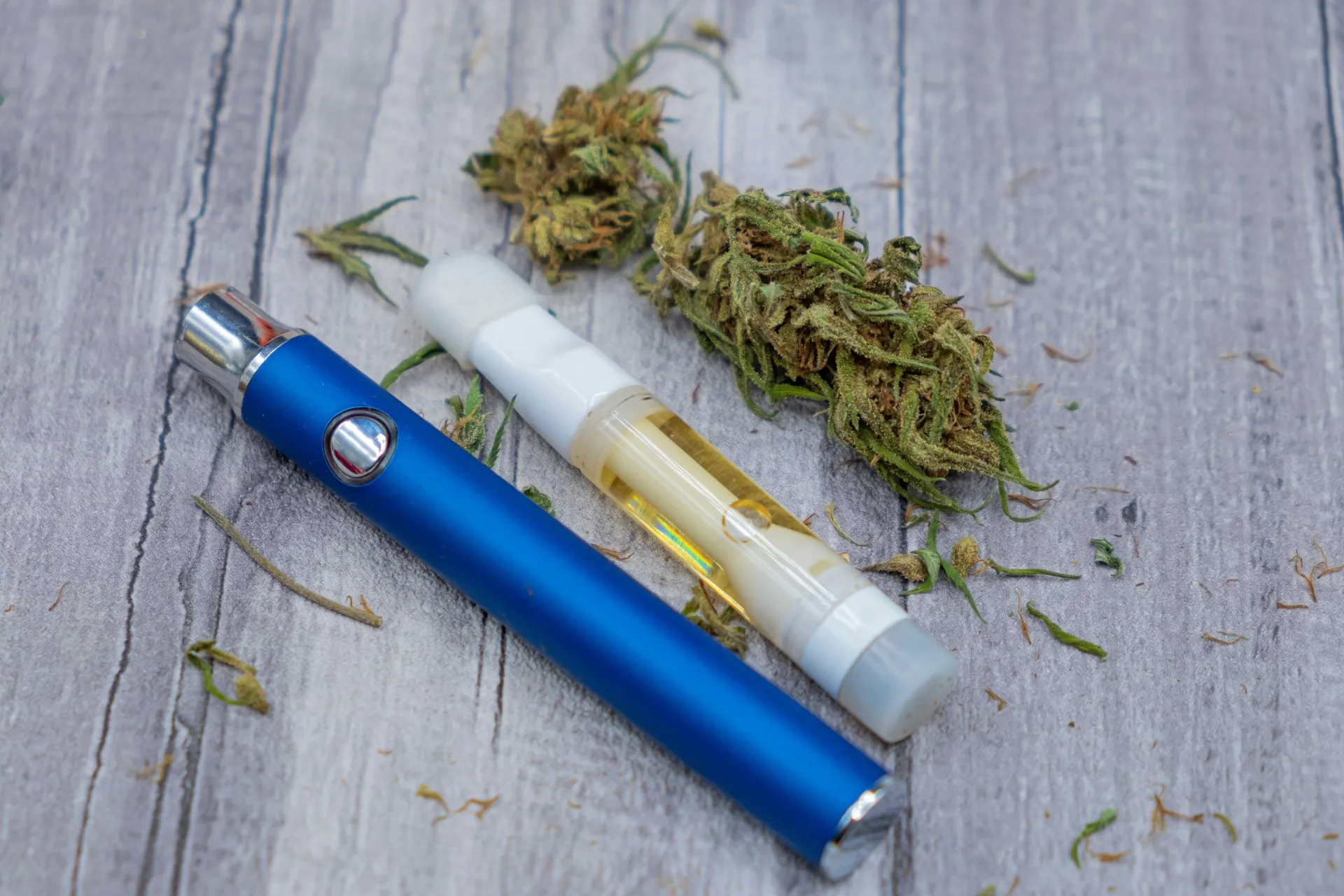
The Delivery Method Dilemma: Smoking vs. Vaping
While the research on cannabis and lung capacity presents intriguing possibilities, the method of consumption significantly impacts respiratory outcomes.
Traditional smoking, whether cannabis or tobacco, involves combustion that produces numerous toxic compounds, including carcinogenic polynuclear aromatic hydrocarbons, benzene, and toluene.
But research shows that vaporizing cannabis offers significant advantages over smoking for respiratory health. Vaporizers heat cannabis to temperatures that release active compounds without combustion, avoiding the production of harmful pyrolytic by-products.
Studies have shown that vaporizer users experience 40% fewer respiratory symptoms like cough, phlegm, and chest tightness compared to those who smoke cannabis, even after controlling for cigarette use and cannabis consumption amounts.
A small but significant study found that cannabis smokers who switched to vaporizing for just 30 days experienced improved respiratory symptoms and increased forced vital capacity.
For medical marijuana patients concerned about lung health, alternative consumption methods like edibles, tinctures, or sublingual preparations eliminate inhalation-related risks entirely while still providing therapeutic benefits.
Patients who already have respiratory issues or who wish to prevent any possible lung irritation may find these techniques especially suitable.
Breathwork and Cannabis: A Synergistic Relationship
The intersection of breathwork practices and cannabis use represents a fascinating area of exploration for medical marijuana patients. Both practices target similar therapeutic goals: stress reduction, enhanced mindfulness, pain management, and emotional regulation. When combined thoughtfully, they may offer synergistic benefits that exceed what either practice provides alone.
Breathwork by itself is therapeutic for many of the same reasons people consume cannabis—PTSD, anxiety, insomnia, or pain and inflammation. Cannabis helps some people slow down, stay present in the moment, and experience heightened sensory or emotional awareness, all of which support breathwork.
Cannabis may enhance breathwork practices by quieting anxious thoughts and promoting deeper body awareness. Many practitioners report that cannabis helps them achieve a more focused, less distracted state during breathing exercises. This enhanced present-moment awareness can lead to more profound somatic experiences and potentially greater therapeutic benefits from breathwork sessions.
The physiological effects of both practices complement each other in intriguing ways. Breathwork activates the parasympathetic nervous system, promoting relaxation and reducing stress hormones.
Cannabis, particularly CBD-dominant strains, can enhance these effects while potentially reducing anxiety that might otherwise interfere with deep breathing practices.
Some practitioners report that combining cannabis with intensive breathwork techniques can produce profound altered states of consciousness, sometimes described as similar to psychedelic experiences.
These reports, while anecdotal, suggest that the combination may access deeper levels of awareness and healing than either practice alone.
Navigating Considerations for Cannabis and Breathwork
The timing of cannabis consumption relative to breathwork practice matters. Some patients prefer to use cannabis 30-60 minutes before breathwork to allow effects to stabilize, while others find that microdosing immediately before practice works better.
Individual experimentation under safe conditions is often necessary to find optimal timing and dosage.
Certain medical conditions may contraindicate combining cannabis with intensive breathwork. Individuals with cardiovascular disease, uncontrolled high blood pressure, seizure disorders, or severe mental health conditions should consult healthcare providers before attempting this combination.
Pregnant or breastfeeding individuals should avoid both practices without medical supervision.
Optimizing Your Practice: Practical Guidelines
For medical marijuana patients interested in exploring the relationship between cannabis and breathwork, several practical guidelines can help ensure safe and beneficial experiences:
- Start Low and Go Slow: Begin with minimal cannabis doses, especially if you’re new to combining these practices. CBD-dominant products may offer therapeutic benefits with less psychoactive intensity than THC-dominant options.
- Choose the Right Delivery Methods: If inhalation is preferred, vaporizing flower or concentrates is generally safer for respiratory health than smoking. For those concerned about lung health, edibles or tinctures eliminate inhalation-related risks entirely.
- Create a Safe Environment: Practice in a comfortable, private space where you won’t be disturbed. Have water available and consider having a sober friend present during initial explorations, especially with higher doses or intensive breathwork techniques.
- Listen to Your Body: Pay attention to how your body responds to different combinations and adjust accordingly. Some days you may need less cannabis, different strains, or modified breathwork techniques based on your current state.
- Maintain Consistency: Regular practice with both breathwork and cannabis use (if appropriate for your medical needs) may provide more benefits than sporadic use. But tolerance to cannabis effects may develop over time, potentially requiring adjustments to dosing or frequency.
- Document Your Experience: Keep a journal noting dosages, strains, breathwork techniques, and outcomes. This information can help you optimize your practice and provide valuable information to healthcare providers.
The Future of Cannabis and Respiratory Research
 While current research offers helpful conclusions about cannabis and lung function, significant gaps remain in our understanding. Most studies have focused on recreational users rather than medical patients with specific respiratory conditions.
Future research directions likely include randomized controlled trials examining specific cannabinoid formulations and their effects on various respiratory conditions.
Studies comparing different delivery methods, investigating optimal dosing strategies, and exploring the long-term effects of combined cannabis and breathwork practices would provide valuable guidance for medical marijuana patients.
The development of standardized protocols for combining cannabis with breathwork could help healthcare providers make evidence-based recommendations for patients who might benefit from these approaches.
Additionally, research into individual factors that predict positive responses to cannabis-enhanced breathwork could help personalize treatment approaches.
Personal Considerations for Medical Marijuana Patients
Every medical marijuana patient has unique health circumstances, therapeutic goals, and responses to different treatments.
The relationship between cannabis and lung capacity may be relevant for patients dealing with conditions that affect breathing, such as chronic pain that limits physical activity, anxiety that contributes to shallow breathing patterns, or PTSD that may benefit from mindfulness-based interventions.
Patients using cannabis for pain management may find that improved breathing capacity enhances their ability to engage in physical rehabilitation or exercise programs.
Those using cannabis for anxiety or PTSD might discover that combining it with breathwork provides more comprehensive symptom relief than either approach alone.
But patients with existing respiratory conditions like asthma, COPD, or interstitial lung disease should exercise particular caution.
While some research suggests potential bronchodilatory benefits of THC, any form of inhalation may exacerbate existing respiratory symptoms. These patients should work closely with pulmonologists and cannabis-knowledgeable healthcare providers to develop appropriate treatment strategies.
The interaction between cannabis and other medications also requires consideration. Patients taking bronchodilators, corticosteroids, or other respiratory medications should discuss potential interactions with their healthcare providers before combining cannabis with breathwork practices.
Building a Sustainable Practice
For medical marijuana patients who decide to explore the combination of cannabis and breathwork, developing a sustainable, long-term practice requires attention to several factors.
Tolerance to cannabis effects may develop over time, potentially necessitating periodic breaks or dosage adjustments. Similarly, the benefits of breathwork often depend on consistent practice rather than sporadic sessions.
Some patients find that alternating between cannabis-enhanced and cannabis-free breathwork sessions provides optimal benefits while preventing tolerance buildup. Others discover that different strains or cannabinoid profiles work better for different types of breathwork or therapeutic goals.
The integration of these practices into daily life also matters. Morning breathwork sessions might benefit from energizing sativa-dominant strains, while evening practices might be enhanced by relaxing indica-dominant varieties. CBD-dominant products might be more appropriate for workplace or daytime use, while THC-containing products might be reserved for home-based evening practices.
A Breath of Fresh Perspective
The emerging research on cannabis and lung capacity challenges conventional assumptions about marijuana’s effects on respiratory function.
The combination of cannabis and breathwork represents a promising frontier in integrative medicine, offering potential benefits for conditions ranging from chronic pain and anxiety to PTSD and sleep disorders.
But realizing these benefits requires careful attention to dosage, delivery methods, individual responses, and safety considerations.
Ready to explore how medical marijuana might enhance your wellness practice? TeleLeaf connects you with licensed physicians who understand the therapeutic potential of cannabis for various health conditions.
Our experienced medical professionals can help you determine whether cannabis might be appropriate for your specific needs and guide you toward safe, effective treatment options.
Don’t let uncertainty hold you back from potential relief. Schedule a consultation with TeleLeaf today and take the first step toward a more informed approach to your health and wellness journey.
Sources and references for this article include peer-reviewed research from the American Thoracic Society, CARDIA cohort studies, the Dunedin Multidisciplinary Health and Development Research Study, and various publications in respiratory medicine and cannabis research journals.
All medical information should be verified with qualified healthcare providers.






 Dr. Chance Miller
 The endocannabinoid system plays a critical role in respiratory homeostasis and pulmonary function. This complex biological network, consisting of cannabinoid receptors (CB1 and CB2), endogenous cannabinoids, and metabolizing enzymes, influences every aspect of breathing from the brainstem’s respiratory control centers to the peripheral airways.
 While the research on cannabis and lung capacity presents intriguing possibilities, the method of consumption significantly impacts respiratory outcomes.
 The intersection of breathwork practices and cannabis use represents a fascinating area of exploration for medical marijuana patients. Both practices target similar therapeutic goals: stress reduction, enhanced mindfulness, pain management, and emotional regulation. When combined thoughtfully, they may offer synergistic benefits that exceed what either practice provides alone.
 While current research offers helpful conclusions about cannabis and lung function, significant gaps remain in our understanding. Most studies have focused on recreational users rather than medical patients with specific respiratory conditions.
 Live Chat


