Apply for your Card Today!
Image
Featured In and Trusted By

DISCLAIMER: This content is for educational purposes only and does not constitute medical advice. Consult your doctor before starting or changing any medical treatment. The information provided here is based on current Texas laws and medical research as of July 2025, which may change over time.


Living with epilepsy can feel overwhelming, especially when traditional treatments don’t provide enough relief.

For Texas residents dealing with seizures, medical marijuana (through the state’s Compassionate Use Program) offers a promising alternative that’s helping many patients regain control over their lives.

Overview: Epilepsy in Texas

Epilepsy is a neurological disorder characterized by recurrent, unprovoked seizures that affect the brain’s electrical activity. These seizures can range from brief lapses in attention to full-body convulsions. It affects a patient’s quality of life, work, and relationships.

Thousands of Texans live with epilepsy, and approximately one-third of these patients have a challenging time managing their symptoms with traditional medications. This reality has led many to explore alternative treatments, including cannabis through the state’s medical marijuana program.

mental health concept

Types of Epilepsy

Epilepsy presents in many forms:

Focal Seizures

These begin in one area of the brain and cause changes in consciousness, unusual sensations, or involuntary movements. They can remain localized or spread to other brain regions.

Generalized Seizures

These affect both sides of the brain simultaneously. Generalized seizures have the following subtypes: tonic-clonic seizures (formerly called grand mal), absence seizures (brief lapses in consciousness), and myoclonic seizures (sudden muscle jerks).

Treatment-Resistant Epilepsy

As the name states, patients with this type don’t respond to antiseizure medications. Treatment-resistant epilepsy affects roughly 30% of patients.

Dravet Syndrome and Lennox-Gastaut Syndrome

These are severe, rare forms of epilepsy that begin in childhood and are notoriously difficult to treat. A study shows that CBD may help with Lennox-Gastaut syndrome and Dravet syndrome.

paper brain shape

How Medical Marijuana Can Help Texas Patients with Epilepsy Manage Their Symptoms

Early evidence from laboratory studies, anecdotal reports, and small clinical studies over several years shows that cannabidiol (CBD) could potentially help control seizures.

Research has also revealed several mechanisms through which CBD may reduce seizure activity:

Neuroprotective Properties

CBD has been shown to reduce inflammation, protect against neuronal loss, normalize neurogenesis, and act as an antioxidant. CBD’s neuroprotective properties help maintain healthy brain function and may prevent the cellular damage that contributes to seizure activity.

Anti-inflammatory Effects

Chronic inflammation in the brain can worsen epilepsy, so CBD’s anti-inflammatory action may help reduce seizure frequency and severity.

Enhanced Medication Tolerance

Research indicates that CBD may help patients better tolerate their existing epilepsy medications. Compared with the control group, CBD users reported lower epilepsy medication-related adverse effects (13% lower) and had greater psychological health satisfaction (21% greater).

Important Considerations

While medical marijuana shows promise, keep in mind that not everyone with epilepsy should or would consider medical cannabis or cannabidiol (CBD) as a treatment.

The decision should always be made in consultation with your doctor, who can assess individual circumstances and potential interactions with existing medications.

Marijuana growing process. Bush of weed outside under natural light.

Can Epilepsy Patients in Texas Qualify for Medical Marijuana?

Yes, epilepsy patients in Texas can qualify for medical marijuana through the state’s Compassionate Use Program. Currently, patients with medical conditions such as PTSD, epilepsy, autism, spasticity, and terminal cancer can use CBD oil.

Patients are also eligible to receive low-THC cannabis prescriptions from licensed physicians.

Expanded Access Starting September 2025

House Bill 46, signed into law by Governor Greg Abbott on June 21, 2025, brings substantial improvements to the program effective September 1, 2025.

These changes include patches, lotions, suppositories, and approved inhalation devices.

Prescription Validity

Starting in September 2025, medical marijuana prescriptions will be valid for one year with four 90-day refills, which can be partially filled within each 90-day period.

Doctor-checking-information-in-computer-program-before-filling-medical-card-TeleLeaf-1

How to Sign Up for a Medical Marijuana in Texas

Step 1: Register with TeleLeaf

Connect with one of their licensed doctors who are registered with the state’s Compassionate Use Program. TeleLeaf offers same-day appointments and certification, making the process more accessible for epilepsy patients who may have mobility challenges.

Sign up for a Texas medical marijuana card.

Step 2: Medical Consultation

During your consultation, one of our licensed doctors will review your medical history and epilepsy diagnosis. If you qualify, they will enter your prescription directly into the Compassionate Use Registry of Texas (CURT) system.

Step 3: Access Medicine at Licensed Dispensaries

Once your prescription is in the system, you can visit any licensed dispensaries in Texas. Starting September 1, 2025, the state will have up to 15 total dispensing organizations (up from the current 3), improving access statewide.

You’ll need to provide your ID, name, date of birth, and the last five digits of your Social Security Number to purchase your medication.

New in 2025: Prescriptions are now valid for one year with four 90-day refills, which can be partially filled within each 90-day period, providing greater flexibility for patients.

You can buy your cannabis from one of the dispensaries below:

Patient-Renewing-Medical-Marijuana-Card

What Does Life with Epilepsy Look Like?

Living with epilepsy affects every aspect of a person’s daily life and creates challenges that extend far beyond the seizures themselves.

  • The constant fear of when the next seizure might occur creates chronic anxiety and stress.
  • Due to concerns about seizure-related safety issues and productivity, many patients with epilepsy face limitations or discrimination in the workplace.
  • Fear of having seizures in public can lead to social withdrawal and reduced participation in community activities, sports, or social gatherings.
  • Traditional antiseizure medications can cause drowsiness, cognitive impairment, and mood changes.
  • Some seizures occur during sleep and can interrupt sleep patterns.
  • The cost of medications, frequent doctor visits, emergency room visits, and potential job limitations create financial stress.
  • The stress of managing epilepsy can strain relationships with family members, friends, and romantic partners who may not understand the condition.
  • Students with epilepsy may struggle with concentration, memory issues from medications, or missed classes due to seizures.
  • Living with epilepsy increases the risk of depression, anxiety, and other mental health conditions
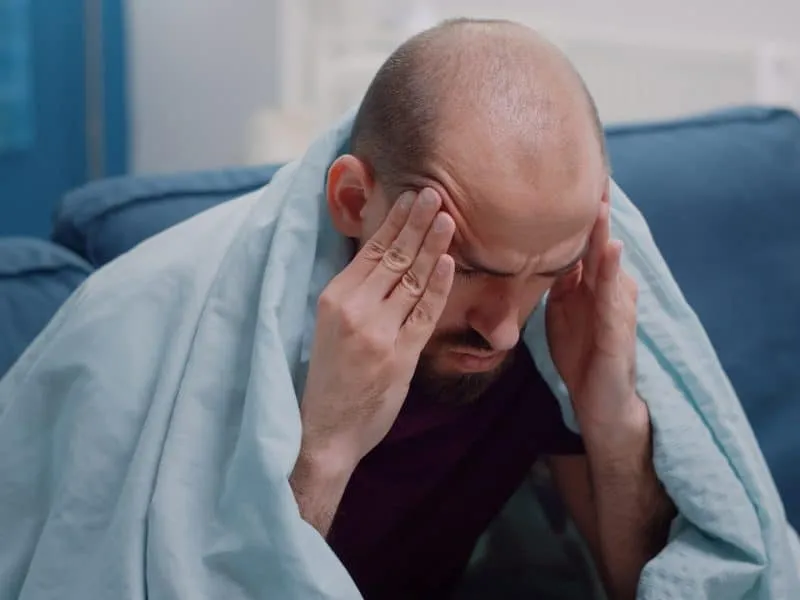
Close up of ill man holding hands on head against migraine. Sick person rubbing temples to cure headache and virus symptoms. Adult having medicaments, bottles of pills, tea and tissues

Taking Control of Your Epilepsy Journey

Living with epilepsy in Texas doesn’t have to mean accepting constant seizures and debilitating side effects.

TeleLeaf connects Texas epilepsy patients with qualified physicians who can evaluate your condition and determine if medical marijuana is right for you.

Our telehealth platform makes it easy to consult experienced doctors from the comfort of your home, helping you navigate the Compassionate Use Program and take the first step toward better seizure control.

Contact us today.

Tired, fitness and breathing man for cardio training, workout or outdoor running break on blue sky .
How to Get Medical Marijuana Card in Texas

Medical marijuana has been legal in Texas in limited forms for several years, but access has historically been restricted. In 2015, the state introduced the Texas Compassionate Use Program (CUP), and over time, lawmakers expanded the list of qualifying conditions through updates in 2019 and 2021. Today, many Texans with chronic or debilitating medical conditions can legally obtain low-THC cannabis as part of their treatment.

01
register-with-teleLeaf

Register with TeleLeaf

02
connect-with-doctor-online

Connect with a Doctor Online

03
gain-access

Get Access to Medical Cannabis

Trusted By 30K+ Patients
Patient Testimonials

Average Rating 5/5 See Other Reviews