Apply for your Card Today!
Image
Featured In and Trusted By

Amyotrophic Lateral Sclerosis (ALS), commonly known as Lou Gehrig’s disease, is a progressive neurodegenerative disorder that affects nerve cells in the brain and spinal cord.

In Texas, thousands of residents live with this challenging condition, which gradually robs patients of their ability to control voluntary muscle movement.

ALS attacks the motor neurons responsible for controlling skeletal muscles, leading to muscle weakness, atrophy, and eventually complete paralysis. The disease progresses from subtle weakness in specific muscle groups to widespread muscle deterioration affecting mobility, speech, swallowing, and breathing.

While the exact cause remains unknown in most cases, ALS has special difficulties that have made medical marijuana an increasingly important treatment option for symptom management.

DISCLAIMER: This page is for informational purposes only and should not be considered medical advice. Consult your doctor before making any decisions regarding medical treatments, including medical marijuana. The information provided here does not replace professional medical consultation or treatment recommendations.

woman on wheelchair cheering happily

Types of ALS

ALS manifests in two primary forms, each with distinct characteristics and progression patterns:

  • Sporadic ALS accounts for approximately 90% of all cases and occurs without any known family history of the disease. This form appears randomly, with symptoms usually beginning between ages 40 and 70. The progression and severity depend on the patient.
  • Familial ALS represents about 10% of cases and involves a genetic component passed down through families. This hereditary form often appears at younger ages and may follow more predictable progression patterns. Several genetic mutations have been identified as contributing factors, including those affecting the SOD1, TARDBP, and C9orf72 genes.

Additionally, ALS is classified by the initial site of symptom onset:

  • Limb-onset ALS affects about 70% of patients, beginning with weakness in the arms or legs. Patients may first notice difficulty with fine motor tasks like writing or walking.
  • Bulbar-onset ALS affects 25–30% of patients, starting with weakness in muscles controlling speech and swallowing. This form of ALS sometimes leads to earlier difficulties with communication and eating.
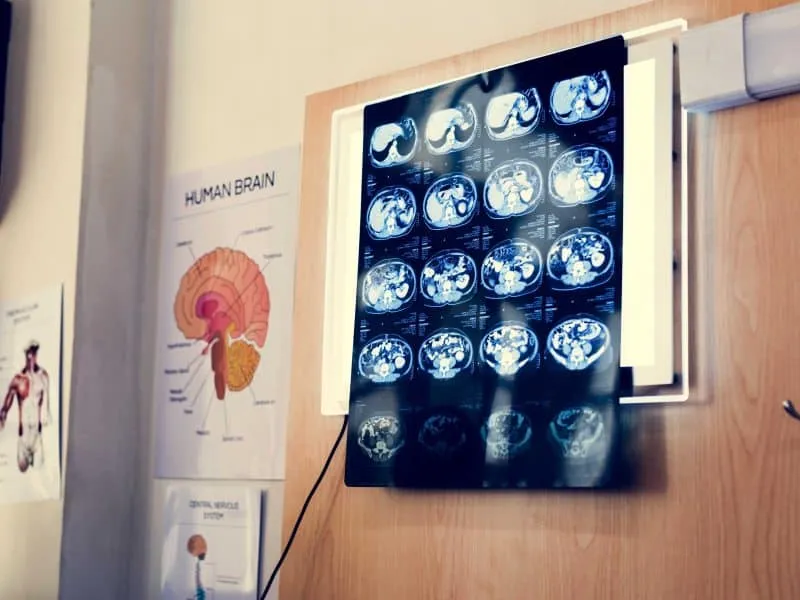
x-ray results on wall

How Medical Marijuana Can Help Texas Patients with ALS Manage Their Symptoms

CBD-dominant medical marijuana offers multiple therapeutic benefits for ALS patients through its interaction with the body’s endocannabinoid system.

Research shows that cannabinoids can provide neuroprotective effects while addressing several debilitating symptoms associated with the disease.

Enhanced Treatment Options Starting September 2025

The new Texas law expands delivery methods to include patches, lotions, suppositories, and approved inhalation devices (nebulizers, inhalers, and vaporizers), providing ALS patients with more targeted and effective treatment options.

CBD’s neuroprotective properties have shown some promise in ALS treatment. Studies indicate that CBD may help slow motor neuron degeneration through its anti-inflammatory and antioxidant properties.

The compound appears to reduce oxidative stress and inflammation in the nervous system, potentially slowing disease progression. Research published in scientific journals has demonstrated CBD’s ability to protect neurons from damage and support overall nervous system health.

Muscle spasticity relief represents one of the most significant benefits for ALS patients. The medical cannabis products available in Texas can help reduce muscle rigidity, spasms, and cramping that cause considerable discomfort. Many patients report that consistent use of cannabis-based treatments leads to improved mobility and reduced pain levels.

Pain management becomes increasingly important as ALS progresses. Both CBD and THC allowed in Texas formulations can help address chronic pain associated with muscle spasms, inflammation, or nerve damage. Patients often experience tension, cramping, and overall discomfort. This natural approach often allows patients to reduce their dependence on traditional pain medications that may have unwanted side effects.

Sleep quality improvement is another crucial benefit, as ALS patients frequently experience sleep disruptions due to discomfort, anxiety, and breathing difficulties. Cannabis products can promote more restful sleep, which is essential for overall health and quality of life.

Appetite stimulation and nausea control help address the nutritional challenges many ALS patients face. Difficulty swallowing and reduced appetite can lead to weight loss, but cannabis can help stimulate hunger and reduce nausea, supporting better nutritional intake.

marijuana cannabis leaf

Can ALS Patients in Texas Qualify for Medical Marijuana?

Yes, ALS patients in Texas can qualify for medical marijuana through the state’s Compassionate Use Program.

ALS is listed as one of the qualifying conditions under Texas law. Patients are eligible to receive low-THC cannabis prescriptions from licensed doctors registered with the state program.

Update: As of September 1, 2025, Texas expanded its medical marijuana program through House Bill 46 (HB 46), which Governor Greg Abbott signed into law on June 21, 2025.

This expansion includes new delivery methods, increased THC limits, and additional qualifying conditions, making the program more accessible and effective for ALS patients.

The updated program allows low-THC cannabis products containing up to 10 milligrams of THC per dose (with packages not exceeding 1 gram of total THC), replacing the previous 1% THC at the weight limit. This change provides patients with more therapeutic options while maintaining safety standards.

The doctor explained the patient's symptom and how to treat and care in detail to the patient. including drugs used to treat diseases drug side effect.

How to Sign Up for a Medical Marijuana in Texas

Step 1: Register with TeleLeaf

Connect with one of their licensed doctors who are registered with the state’s Compassionate Use Program. TeleLeaf offers same-day appointments and certification, making the process more accessible for ALS patients who may have mobility challenges.

Sign up for a Texas medical marijuana card.

Step 2: Medical Consultation

During your consultation, one of our licensed doctors will review your medical history and ALS diagnosis. If you qualify, they will enter your prescription directly into the Compassionate Use Registry of Texas (CURT) system.

Step 3: Access Medicine at Licensed Dispensaries

Once your prescription is in the system, you can visit any licensed dispensaries in Texas. Starting September 1, 2025, the state will have up to 15 total dispensing organizations (up from the current 3), improving access statewide.

You’ll need to provide your ID, name, date of birth, and the last five digits of your Social Security Number to purchase your medication.

New in 2025: Prescriptions are now valid for one year with four 90-day refills, which can be partially filled within each 90-day period, providing greater flexibility for patients.

You can buy your cannabis from one of the dispensaries below:

A hand holding a blank, rectangular card against a muted purple background.

What Does Life with ALS Look Like?

Living with ALS presents many daily challenges that progressively worsen over time. Understanding these impacts helps illustrate why effective symptom management through treatments like medical marijuana becomes so crucial:

Progressive Muscle Weakness

It starts in specific areas and spreads throughout the body, making simple tasks like buttoning clothes, holding utensils, or walking increasingly difficult

Communication Difficulties

Develop as facial and throat muscles weaken, leading to slurred speech, difficulty swallowing, and eventual loss of verbal communication abilities

Breathing Complications

Emerge as respiratory muscles deteriorate, requiring eventual assistance from ventilators and creating constant anxiety about breathing difficulties

Mobility Loss

Mobility Loss escalates from minor coordination issues to total reliance on wheelchairs and assistance for every movement.

Doctor check up and discuss with patient in clinic or doctor talk with women patient in hospital

Eating and Swallowing Challenges

Feeding tubes and constant monitoring of caloric intake are sometimes necessary.

Emotional and Psychological Impact

Includes depression, anxiety, and grief as patients process the progressive loss of independence and capabilities

Sleep Disruptions

Sleep disruptions occur due to discomfort, difficulty changing positions, breathing problems, and medication side effects.

Social Isolation

Many ASL patients find it challenging to interact with people and form relationships.

Cognitive Changes

ASL can affect memory, decision-making, and behavioral control.

Financial Strain

Just like any other condition, ASL patients have to pay for extensive medical care, adaptive equipment, and home modifications to manage their symptoms. Some patients end up leaving their jobs, resulting to a loss of income

Caregiver Burden increases as family members take on more responsibilities, creating stress for the entire family system

Handsome young caucasian man resting with closed eyes and head on his hand, portraying a sense of fatigue or calm reflection. He has visible tattoos and a casual outfit,

Finding Hope and Relief: Your Journey to Better ALS Management Starts Here

Living with ALS brings special difficulties, but you don’t have to face them alone. Texas’s expanded Compassionate Use Program provides legal access to medical marijuana that can significantly improve your quality of life and help manage the difficult symptoms associated with this condition.

If you’re ready to explore how medical marijuana might help your ALS symptoms, TeleLeaf makes the process simple and accessible. We understand the unique challenges facing ALS patients and provide compassionate, professional care throughout the certification process.

We invite you to take the first step toward improved symptom management today. Don’t let another day pass struggling with symptoms that could be better managed. Your journey to improved quality of life starts with a simple phone call or online consultation with TeleLeaf’s qualified medical professionals.

Contact us and discover how medical marijuana might fit into your comprehensive ALS treatment plan.

Online healthcare checkup of african american guy
How to Get Medical Marijuana Card in Texas

Medical marijuana has been legal in Texas in limited forms for several years, but access has historically been restricted. In 2015, the state introduced the Texas Compassionate Use Program (CUP), and over time, lawmakers expanded the list of qualifying conditions through updates in 2019 and 2021. Today, many Texans with chronic or debilitating medical conditions can legally obtain low-THC cannabis as part of their treatment.

01
register-with-teleLeaf

Register with TeleLeaf

02
connect-with-doctor-online

Connect with a Doctor Online

03
gain-access

Get Access to Medical Cannabis

Trusted By 30K+ Patients
Patient Testimonials

Average Rating 5/5 See Other Reviews