In 2021, the CDC found that just over 20% of US adults suffer from chronic pain—that’s over 51 million people.
Opioids have long been the only viable option for pain relief medication. But at TeleLeaf, we believe there’s a better way: medical cannabis. Cannabis has vastly improved the lives of those living with chronic pain, without the undesirable side effects of opioid use. And if you feel that you’re too reliant on opioids, cannabis use may be the key to gaining your independence back.
There’s even evidence cannabis might be more effective than opioids at pain reduction. In an Australian study of 1,514 patients with chronic non-cancer pain, it was found that the average pain relief was 70% for those who used medical marijuana vs. 50% for opioid medication users.
In this guide, we’re breaking down how some patients use medical marijuana for chronic pain—as a primary treatment or as a complement to their existing pain medications.
The Complex Nature of Pain
Pain has a purpose: it’s meant to tell the body that something is wrong.
Pain is often described as acute or chronic:
- Acute pain – Acute pain begins during and immediately after an injury, and it typically goes away once the injury has healed (or once a quick remedy kicks in).
- Chronic pain – Chronic pain sticks around long-term—potentially for months and even years after its onset, and often for no explainable reason. Chronic pain persists after the body has healed.
Another thing to note about pain—it’s not entirely objective. There are biological, psychosocial, and physiological factors that affect how you perceive pain. Many people have a lower pain tolerance due to:
- Age
- Genetic factors
- Increased stress
- Grief or loss
- Lower social status
- Lack of support systems
- Existing mental health conditions, like anxiety
But what are you supposed to do when the pain keeps coming, even after you’ve “healed” from an injury, medical procedure, or condition?
It’s essential that treatment plans target more than just the physical sensation of pain. Your personal anxieties surrounding your condition, and any other factors negatively affecting your perception of pain, deserve attention as well.
Pain management isn’t one-size-fits-all. To effectively relieve your pain, it’s necessary to take a holistic approach, which, for you, may mean combining traditional pain medications with alternative treatments like medical marijuana.
Understanding Opioids
When you experience pain, it’s because your brain is receiving and interpreting pain signals. Opioids are used to interrupt those signals, which reduces the body’s ability to feel pain while the effects last.
Opioids, while good at relieving even the most severe pain, begin to lose their effectiveness with continued use. Your body builds up an opioid tolerance, requiring you to take more opioids more frequently to achieve the same effects.
In addition to providing pain relief, opioids come with some less-desirable side effects, such as:
- Drowsiness
- Nausea/vomiting
- Slowed breathing
The last side effect is the most worrying. Slower breathing can lead to hypoxia, which is when there are dangerously low levels of oxygen in the body. 
People who use opioids regularly are also more likely to become dependent on them, and opioid use disorder (OUD) can lead to overdose or death.
Despite these risks, opioids are still widely prescribed for pain management. But there are some doctors advocating for a better approach.
Dr. Peter Grinspoon, over the course of his 25-year career, has witnessed the power of medical marijuana first-hand. His belief in medical marijuana was first instilled in him when we saw how effectively it helped his brother manage cancer pain during the last year of his life.
Dr. Grinspoon, and other doctors like him, are shifting the narrative of pain management away from high-risk opioids and raising awareness for the holistic healing potentials of medical cannabis. As the medical community starts to really investigate questions like “Does marijuana help with nerve pain?” medical cannabis expertise is only growing—this is certainly a step in the right direction.
The Endocannabinoid System and Pain Management
Cannabis interacts with receptors in the brain via the endocannabinoid system (ECS). The ECS plays an important role in adjusting and stabilizing different bodily functions, including pain control.
Everyone has endocannabinoids naturally in their bodies. They attach to cannabinoid (CB) receptors in the brain and tissues to tell the body to make certain adjustments until balance is reached. Cannabis compounds share a lot in common with endocannabinoids, meaning they can interact with the ECS to block pain signals.
Cannabis’s effect will be different depending on what type of cannabinoid you use:
- THC binds to the CB1 receptors in the brain, which produces a euphoric “high”
- CBD halts the body’s breakdown of its natural endocannabinoids, increasing the quantity circulating in the body, which reduces pain
Not to mention the numerous other minor cannabinoids with varying effects, and the diversity of medical cannabis’s effects sets it apart from traditional pain medications. Its physical and psychoactive properties can target pain from multiple angles—not just the sensation of pain, but your emotional reaction to it.
Dr. Grinspoon points out that ECS research began as a way to demonize cannabis use, but it’s actually had the opposite effect. As ECS and cannabinoid research progresses, we’ll be able to use cannabis to treat pain even more effectively.
Cannabis and Opioids: A Synergistic Relationship
Cannabis, in conjunction with opioid use, has the potential to lower your needed opioid dosage to control pain. This can have many positive effects, the largest one being the reduced risk of developing:
- Opioid tolerance
- Dependency
- OUD
By combining both types of pain management, you can get the pain relief you need with fewer of the worries that accompany opioid use.
Cannabis can also counteract one of opioids’ most common side effects: nausea. Cannabis is a unique anti-nausea treatment in that, depending on what form it’s in, it doesn’t need to be ingested, so you don’t have to worry about keeping it down.
Navigating the Path to Pain Relief
Dr. Grinspoon’s brother, Danny, is just one of many people who have found more satisfying pain relief through medical cannabis use. Cannabis allowed him to keep food and other medications down as he battled leukemia, which was a massive relief for him and his entire family.
Other medical cannabis pioneers include Irvin Rosenfeld, who self-advocated for the right to use medical cannabis to treat his congenital disease pain. Because of cannabis, he was able to find more relief, and for longer periods of time.
Additionally, TeleLeaf’s patients have expressed over and over again how positively medical cannabis has impacted their lives. But to be sure that cannabis is a good fit for you and your pain relief plan, it’s important to consult healthcare professionals.
At TeleLeaf, we make connecting with doctors easy so that you can get a medical cannabis recommendation faster and from the comfort of your own home.
We’ve been in your position before. We know how difficult it can be to advocate for your needs, especially when the Western model of medicine thinks there’s only one solution to pain relief. We believe that through medical cannabis education and awareness, we can help others discover how many options are truly available to them.
Find Your Pain Relief Support System Through TeleLeaf
Medical cannabis can be an alternative or complement to your current pain management plan. When used with traditional pain medications like opioids, you can experience effective pain relief with reduced risks of dependency and other negative side effects.
Learning about the benefits of medical cannabis is the first step to finding relief. It’s always better to be fully informed; to find out if medical cannabis is truly right for you, it’s important to seek medical advice from healthcare professionals.
That’s where we come in. At TeleLeaf, we understand your needs, because we’ve been patients ourselves. Ask us your questions, schedule an appointment, or share your own healing journey with us today.
Sources:
Centers for Disease Control and Prevention. Chronic Pain Among Adults—United States, 2019-2021. https://www.cdc.gov/mmwr/volumes/72/wr/mm7215a1.htm
Cleveland Clinic. Acute vs. Chronic Pain.
https://my.clevelandclinic.org/health/articles/12051-acute-vs-chronic-pain
Medical News Today. High Pain Tolerance: Causes, Influences, and How to Affect It. https://www.medicalnewstoday.com/articles/high-pain-tolerance
Johns Hopkins Medicine. Opioids.
https://www.hopkinsmedicine.org/health/treatment-tests-and-therapies/opioids
Dr. Peter Grinspoon. Medical Cannabis.
https://www.petergrinspoon.com/cannabis/
Harvard Health Publishing. The Endocannabinoid System: Essential and Mysterious. https://www.health.harvard.edu/blog/the-endocannabinoid-system-essential-and-mysterious-202108112569
Healthline. A Simple Guide to the Endocannabinoid System.
https://healthline.com/health/endocannabinoid-system
Forbes. Cannabis Offers Immediate Nausea Relief, Study Shows. https://www.forbes.com/
Harvard Magazine. Marijuana.
https://www.harvardmagazine.com/2001/03/marijuana-html






 TeleLeaf

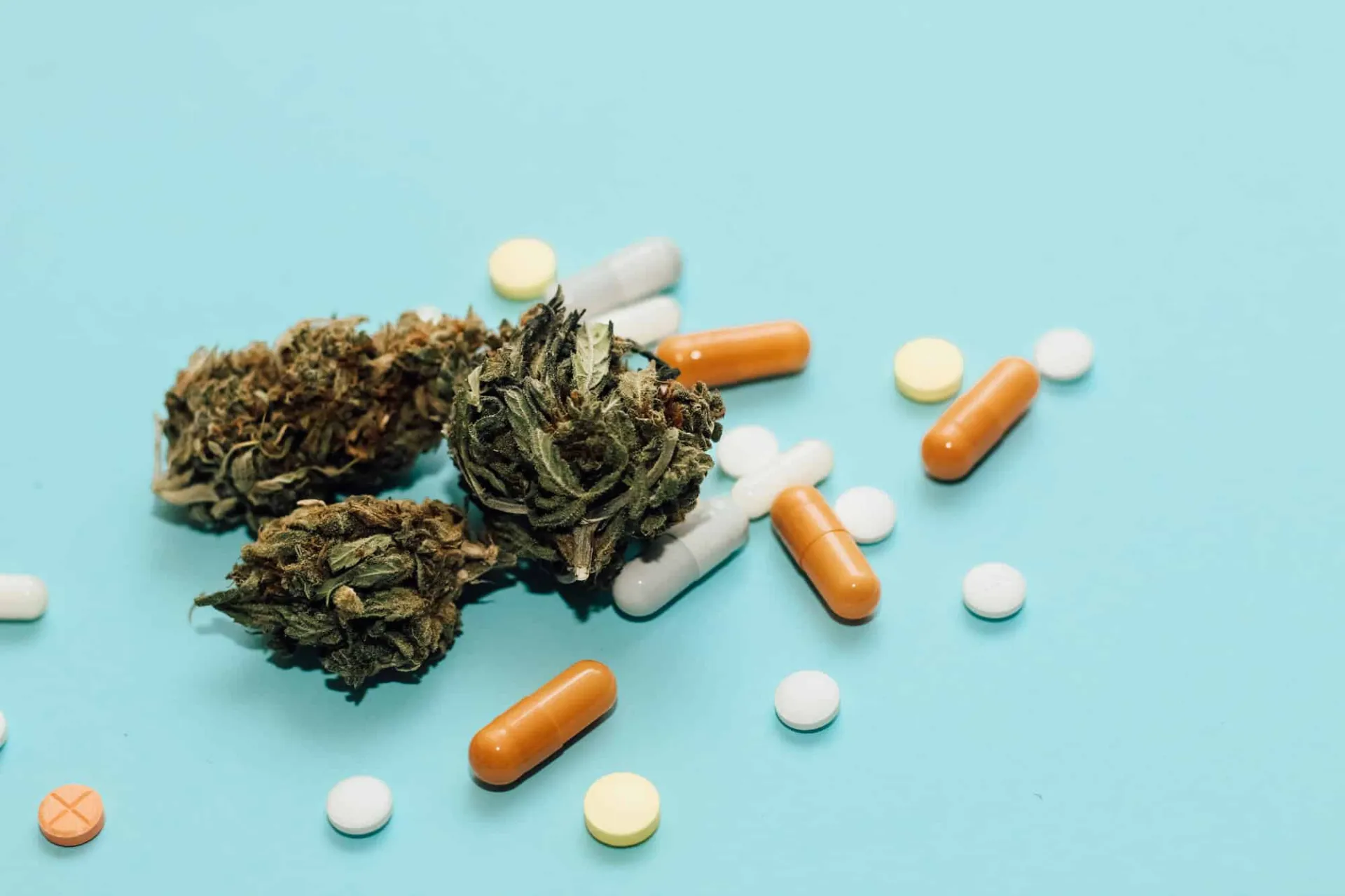 can have many positive effects, the largest one being the reduced risk of developing:
 Live Chat


