Get Your Medical Marijuana Card Today - Fast & Easy!

Disclaimer: This content is for informational purposes only and does not constitute medical advice. Consult your doctor to determine if medical cannabis is right for you.
Waking up tired after a full night’s sleep can be frustrating. For Minnesota residents with sleep apnea, CPAP machines and oral appliances can be uncomfortable. These conventional treatments don’t always solve the issue of fatigue.
Sleep apnea is a breathing condition characterized by repeated interruptions in airflow during sleep. It can occur multiple times every night, disrupting the sleep cycle and preventing a good night’s sleep.
Sleep apnea has three forms:
Hundreds of thousands of Minnesotans may be affected by sleep apnea, with many cases remaining undiagnosed. The condition makes it hard for the body to reach deep, restorative sleep. This leads to a chain of symptoms that impact waking hours.

Common symptoms:
Sleep apnea can cause chronic pain, anxiety, and heart stress. These issues make it harder to manage the condition.
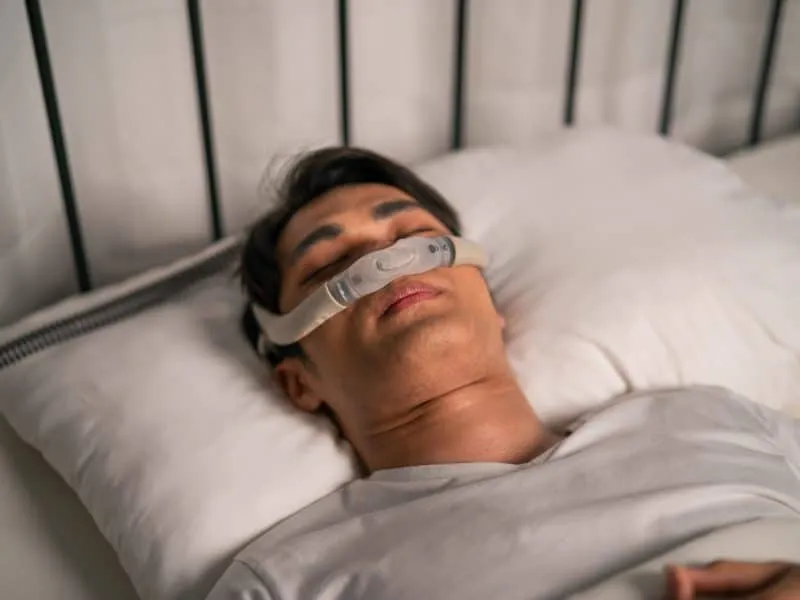
CPAP therapy, lifestyle changes, and dental appliances can ease the symptoms, but they can be daunting to use for some patients. This is where medical cannabis comes in. A sustainable, natural way to manage sleep apnea without the discomfort from CPAP machines.

A growing body of evidence shows that cannabinoids, especially dronabinol (a synthetic form of THC), may help reduce the severity of OSA.
A review found that eight out of nine studies reported positive outcomes with cannabinoid therapy, including reductions in the apnea-hypopnea index (AHI), a key measure of OSA severity.
A recent study found that a low-dose combination of dronabinol and acetazolamide (IHL-42X) was effective in treating OSA with minimal side effects.
Yes. Sleep apnea qualifies under Minnesota’s Medical Cannabis Program. Sleep apnea patients in Minnesota can access medical cannabis with a doctor’s certification.
Minnesota has expanded its qualifying conditions since 2014. The inclusion of sleep apnea shows that medical marijuana may help manage sleep-related respiratory problems and symptoms.
State’s Office of Cannabis Management (OCM) oversees the program, ensuring patients may access lab-tested goods through registered merchants. This legal authorization allows sleep apnea patients to explore cannabis-based symptom therapy under physician supervision.
How to access the program:

Prepare these materials before starting your application:

Connect with a licensed practitioner and complete the state enrollment. TeleLeaf simplifies this by offering telemedicine consultations with medical marijuana doctors.
A full list of retailers can be found at the following link: Medical Cannabis retailers here. The OMC does NOT issue an actual medical cannabis card.

Patients must complete a self-evaluation before each purchase. This records your current symptoms and treatment response. Be honest; this information helps your pharmacist make recommendations and track your progress.
Minnesota medical cannabis retailers need to schedule appointments, especially for new patients. Contact your chosen location to schedule your first visit.
A licensed pharmacist will meet with you to discuss:
This consultation distinguishes Minnesota’s medical program from adult-use marijuana markets. You receive professional healthcare guidance instead of navigating product selection on your own.
Your pharmacist will help you find the right product based on your needs.

Before certification:
After certification:
Before your first purchase:

TeleLeaf connects Minnesota sleep apnea patients with compassionate, licensed practitioners through convenient telemedicine consultations. Our platform eliminates barriers to certification, allowing you to complete appointments from the comforts of your home.
Schedule your TeleLeaf consultation today and take the first step toward accessing medical cannabis for your sleep apnea symptoms in Minnesota.

Minnesota makes it easy for qualified patients to get a medical marijuana card and access trusted cannabis care. With a quick certification and online registration, you can begin using medical cannabis legally and safely.
Yes. Telling your doctor allows for coordinated care. They can watch for interactions with your antiretroviral treatment. They also track how well your treatment is working.
Medical cannabis is not a cure for sleep apnea. It can only help manage the symptoms. Using one doesn’t mean ditching your existing treatment. Consult your doctor for any change in your treatment.
Talk to your doctor before adding cannabis to your treatment. Medical cannabis should be taken under strict medical guidance.
Up to 30 days for processing. Once approved, you can immediately schedule your first retailer appointment.
Minnesota requires annual certification renewal.
Yes, some patients may experience a “cannabis hangover” the following morning. This is more common if you take products with a high THC content or you use cannabis for the first time.
Document your response and discuss concerns with your retailer pharmacist at your next visit. Adjustments to product type, formulation, or administration method may improve your experience.