Apply for your Card Today!
Image
Featured In and Trusted By

Qualify for a Medical Marijuana Card in Minnesota

Disclaimer: This content is for informational purposes only. Consult a licensed healthcare provider to see if medical cannabis is right for you.


Managing HIV/AIDS involves more than taking antiretroviral therapy. Patients who have symptoms like chronic pain, neuropathy, loss of appetite, and sleep issues. These issues can occur even if viral loads are undetectable.

Minnesota’s Medical Cannabis Program recognizes HIV/AIDS as a qualifying condition. This allows patients legal access to therapeutic cannabis products. Learn more how medical cannabis can help with HIV/AIDS.

HIV/AIDS and Its Symptoms

HIV (human immunodeficiency virus) attacks the immune system. It targets CD4 cells, which help fight infections. Without treatment, HIV can lead to AIDS, the most advanced stage.

Thanks to modern antiretroviral therapy, HIV is now a manageable chronic condition. Many people achieve viral suppression and live full lives. Both the condition and long-term medication can lead to symptoms that impact daily life.

Common symptoms:

  • Chronic pain: Headaches, joint pain, and abdominal discomfort.
  • Peripheral neuropathy: Nerve damage causing tingling, numbness, or burning in the hands and feet.
  • Appetite loss and weight changes: difficulty maintaining nutrition.
  • Nausea: From the condition or as a side effect of medication.
  • Sleep disturbances: insomnia and disrupted sleep
  • Fatigue: Persistent tiredness affects daily activities.
  • Mood changes: Anxiety and depression related to chronic illness management.
Red AIDS Awareness Ribbon on Womans Chest

Medical Cannabis for HIV/AIDS

Cannabis has a history of managing HIV/AIDS symptoms. Research has explored how it may help patients.

The endocannabinoid system and immune function

The body’s endocannabinoid system (ECS) has receptors in the nervous and immune systems. 

CB1 receptors mainly reside in the brain, whereas CB2 receptors are located in immune tissues. This setup is why scientists study how cannabinoids might affect neurological symptoms and immune functions. Research shows that the ECS helps control pain, appetite, mood, and inflammation. 

Research Findings

Studies on cannabis use among HIV/AIDS patients have shown promising results:

  • Appetite and Weight Maintenance: A study showed that HIV-positive patients using cannabinoids had improved appetite and stabilized weight. Columbia University research found that smoked cannabis boosts calorie intake in patients who have lost a lot of weight.
  • Neuropathic pain: A study shows cannabinoids can help manage HIV-related neuropathy. Smoked cannabis reduced daily pain compared to a placebo. Another study confirmed these results.
  • Nausea management: THC can help control nausea, often seen in patients taking medications. The FDA has approved synthetic THC, known as dronabinol. It helps with appetite loss in AIDS patients and reduces nausea from chemotherapy.
  • Quality of life: A study showed that HIV patients who use cannabis reported better symptoms.

Medical cannabis should complement—not replace—antiretroviral therapy and other treatments. Patients should discuss cannabis use with their doctor.

Red ribbon HIV, and stethoscope on black background..

Is HIV/AIDS a Qualifying Condition in Minnesota?

Yes. HIV/AIDS is recognized as a qualifying condition in Minnesota’s Medical Cannabis Program.

Patients with HIV or AIDS can get medical cannabis if they have a certification from a licensed doctor.

In 2014, Minnesota launched its medical cannabis program, and it has included HIV/AIDS since then.

The Office of Cannabis Management (OCM) oversees the program, ensuring patients have access to regulated, tested products through licensed retailers.

How to Get a Medical Cannabis Card for HIV/AIDS in Minnesota

Connect with a licensed practitioner and complete the state enrollment. TeleLeaf simplifies this by offering telemedicine consultations with medical marijuana doctors.

Why choose telemedicine for signing up?

  • Comfort and convenience: Consult from home without extra appointments
  • Privacy: Secure, confidential consultations
  • Accessibility: Ideal for patients with mobility issues
  • Coordination: Easily share your HIV care information with the physician
Medicinal cannabis concept on white background, close up

Signing up for a medical marijuana card

  1. Register with TeleLeaf
  2. Connect with a doctor online
  3. After your telemedicine appointment, your Minnesota-licensed physician will certify your medical condition online in the Medical Cannabis Registry.
  4. Receive a certification email from the office of medical cannabis: This email contains your unique online enrollment link for the Medical Cannabis Registry. Follow the link in the email to enroll (check your spam or junk folder in case you do not see the email in your regular inbox).
  5. OMC online registration guide: Additional information about the OMC online registration process can be found at Medical Cannabis Patient Registration Guide
  6. Access your medical cannabis registry account: Once your enrollment is approved, you can access your Medical Cannabis Registry account and pick up medical cannabis at your nearest Medical Cannabis Retailers. 

A full list of retailers can be found at the following link: Medical Cannabis Retailers here.  The OMC does NOT issue an actual medical cannabis card.

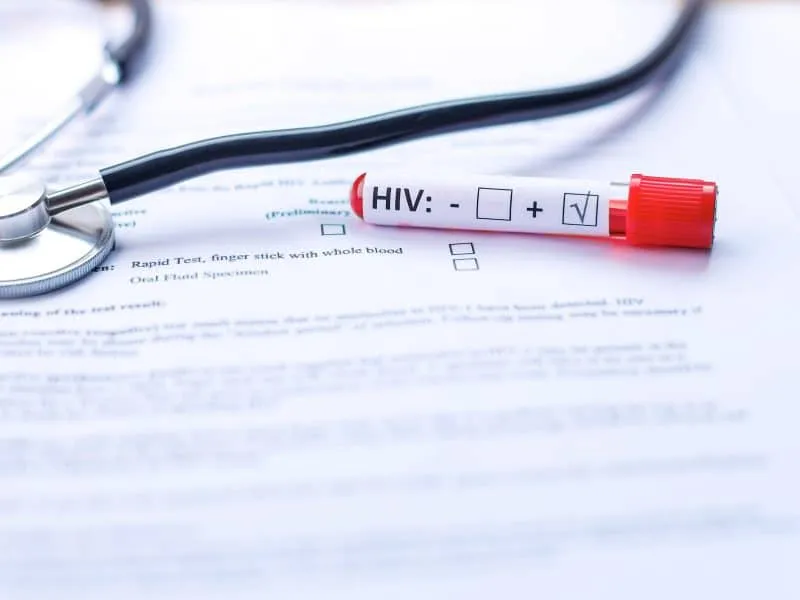
stethoscope-and-hiv-test-tube-with-blood-2025-03-16-17-16-59-utc

Enrollment timeline and requirements

  • Complete state enrollment within 90 days of certification.
  • Applications can take up to 30 days to process.
  • Finish enrollment within 60 days of certification for enough processing time.

Required documents for enrollment

  • Valid Minnesota driver’s license or state ID
  • Proof of Minnesota residency (if your ID address differs).
  • Practitioner certification (submitted electronically)
  • Payment methods for any fees.

Cost

  • State registration fees: No fees for medical cannabis patient registration in Minnesota.
  • Certification consultation: Practitioner fees usually range from $100 to $400.
  • Product costs: Prices vary by product type and retailer.
  • Insurance coverage: Medical cannabis is not covered by insurance; all costs are out of pocket.
doctor writing on a paper and a medical cannabis and contaier on the table

What to Expect at A Minnesota Medical Cannabis Retailer

Before Your Visit: Patient Self-Evaluation

Patients must complete a self-evaluation before each purchase. This records your current symptoms and treatment response. Be honest; this information helps your pharmacist make recommendations and track your progress.

Scheduling your appointment

Minnesota medical cannabis retailers need schedule appointments, especially for new patients. Contact your chosen location to schedule your first visit.

Consultation with a pharmacist

A licensed pharmacist will meet with you to discuss:

  • Your symptoms and how to manage them
  • Current medications and potential interactions
  • Previous cannabis use and experiences
  • Product options appropriate for your needs
  • What to expect from different administration methods

This consultation distinguishes Minnesota’s medical program from adult-use marijuana markets. You receive professional healthcare guidance instead of navigating product selection on your own.

African american client buying pharmaceutical products and medical packages at drugstore counter, pharmacist selling medicine and treatment. Person paying for pills in pharmacy. Handheld shot.

Product types available for HIV/AIDS patients

Minnesota retailers offer various formulations. Your pharmacist will help identify options suited to your symptoms and lifestyle:

  • Tinctures and oils, liquid formulations, allow precise measurement and flexible administration. They have a quick onset and are easy to adjust.
  • Edibles, cannabis-infused foods and beverages, provide discretion and extended duration. Edibles take one to two hours to kick in. Waiting helps you avoid eating too much.
  • Capsules‘ familiar pill format appeals to patients already managing a lot of medications. Capsules offer consistent amounts and convenient dosing schedules.
  • Vaporizer products and inhalation methods help patients get quicker relief. Modern vaporizers heat cannabis without combustion.
  • Topicals, such as creams and balms, that are applied directly to the skin may provide relief from localized discomfort. These products usually do not produce systemic effects.

Your pharmacist will recommend products aligned with your specific symptoms, whether appetite stimulation, neuropathy management, sleep support, or other concerns.

cannabis cosmetic products

Practical Checklist for Minnesota HIV/AIDS Patients

Use this checklist to navigate certification and your first buy with ease:

Before certification:

  • Gather documentation of your HIV/AIDS diagnosis.
  • Verify that your Minnesota ID reflects your current address.
  • Schedule your TeleLeaf consultation.
  • Prepare to discuss symptoms and treatment goals.

After certification:

  • Watch for your OCM enrollment email.
  • Complete state enrollment within 60 days.
  • Research retailers that are convenient to your location.
  • Schedule your first retailer appointment.

Before your first purchase:

  • Complete the required patient self-evaluation.
  • Compile your complete medication list (including antiretrovirals).
  • Write down questions for the pharmacist.
  • Arrange payment (cash or debit).
selective focus of bottles with cbd lettering near stethoscope, glasses and clipboard with medical

Get Your Minnesota Medical Cannabis Card with TeleLeaf

TeleLeaf provides HIV/AIDS patients in Minnesota with compassionate, confidential access to medical cannabis certification. Our telemedicine platform connects you with licensed practitioners who understand the unique challenges of living with HIV/AIDS.

Complete your consultation from home, on your schedule, with providers who take time to understand your symptoms and treatment goals. The process is private, straightforward, and designed to support patients managing chronic conditions.

Schedule your TeleLeaf consultation today and take the first step toward accessing medical cannabis for your HIV/AIDS symptoms in Minnesota.

a doctor handing a medical marijuana card
How to Get a Medical Marijuana Card in Minnesota

Minnesota makes it easy for qualified patients to get a medical marijuana card and access trusted cannabis care. With a quick certification and online registration, you can begin using medical cannabis legally and safely.

01
register-with-teleLeaf

Register with TeleLeaf

02

Connect with a Doctor Online

03

Connect with a Doctor Online

Frequently Asked Questions

Yes. Telling your doctor allows for coordinated care. They can watch for interactions with your antiretroviral treatment. They also track how well your treatment is working.

Certain medications can interact negatively with cannabis. Discuss potential interactions with your doctor. Some cannabinoids may affect how the body processes certain medications. Your pharmacist can also provide guidance.

Up to 30 days for processing. Once approved, you can immediately schedule your first retailer appointment.

Minnesota requires annual certification renewal.

Yes. Qualifying for medical cannabis is based on your HIV/AIDS diagnosis, not viral load status. Many patients with well-controlled HIV still experience symptoms that medical cannabis may help address.

Document your response and discuss concerns with your retailer pharmacist at your next visit. Adjustments to product type, formulation, or administration method may improve your experience.

Trusted By 30K+ Patients
Patient Testimonials

Average Rating 5/5 See Other Reviews