Apply for your Card Today!
Image
Featured In and Trusted By

Disclaimer: This content is for informational purposes only and does not constitute medical advice. Talk to a licensed healthcare provider to see if medical cannabis is right for you.


Living with glaucoma brings daily challenges, from eye appointments to managing drops. For Minnesota residents, it’s important to explore all treatment options. This is especially true when standard therapies fall short.

Minnesota’s Medical Cannabis Program recognizes glaucoma as a qualifying condition. This allows patients to get therapeutic cannabis by the law. This guide covers everything you need to know about medical cannabis for glaucoma, from the science to your first visit to a retailer.

Understanding Glaucoma and Its Symptoms

Glaucoma refers to a group of eye conditions that damage the optic nerve, often linked to high intraocular pressure (IOP). This pressure builds up when fluid does not drain properly, and it impacts vision over time.

Millions of Americans experience its effects, making it a leading cause of irreversible blindness.

Glaucoma patients often experience:

  • Elevated IOP causes discomfort.
  • Peripheral vision loss that progresses inward.
  • Eye pain and headaches.
  • Blurred vision or halos around lights.
  • Redness in the eyes
  • Nausea with severe pressure spikes.

These symptoms can impact daily life, from driving to reading and recognizing faces. Many patients find managing discomfort and anxiety as challenging as addressing pressure issues.

If standard treatments like eye drops, laser therapy, or surgery don’t help, talk to your healthcare provider about medical cannabis.

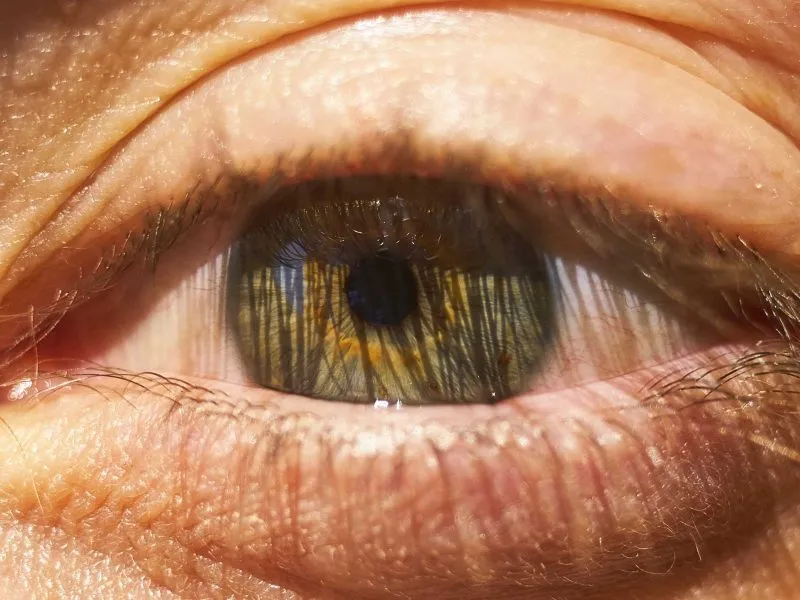
close up picture of an eye

Medical Cannabis for Glaucoma: What Does the Research Say?

Research into cannabis and eye pressure began in the 1970s, showing that cannabis could lower IOP.

The Endocannabinoid System and Eye Health

The human body has an endocannabinoid system (ECS) with receptors in various tissues, including the eyes.

Researchers have found CB1 receptors, a type of cannabinoid receptor, in ocular tissues that regulate IOP. This provides a basis for exploring how plant-derived cannabinoids may affect eye pressure.

Research Findings

Early studies showed that THC, the main psychoactive compound in cannabis, could reduce IOP by 25-30% in some patients. A landmark study in 1971 documented this effect, sparking ongoing research.

More recent studies have looked at various cannabinoids:

  • THC studies suggest it may lower IOP by reducing aqueous humor production and improving fluid outflow.
  • Combination cannabinoid studies are examining whether specific ratios of compounds may enhance benefits.

A 2018 review noted that cannabinoids can lower IOP. Researchers are still exploring better ways to deliver them for lasting pressure reduction. Some studies say cannabinoid treatments might ease discomfort and sleep problems linked to glaucoma.

It’s important to remember that medical cannabis should support, not replace, standard glaucoma treatments. Patients should talk to their ophthalmologist and certifying practitioner about adding cannabis to their care plans.

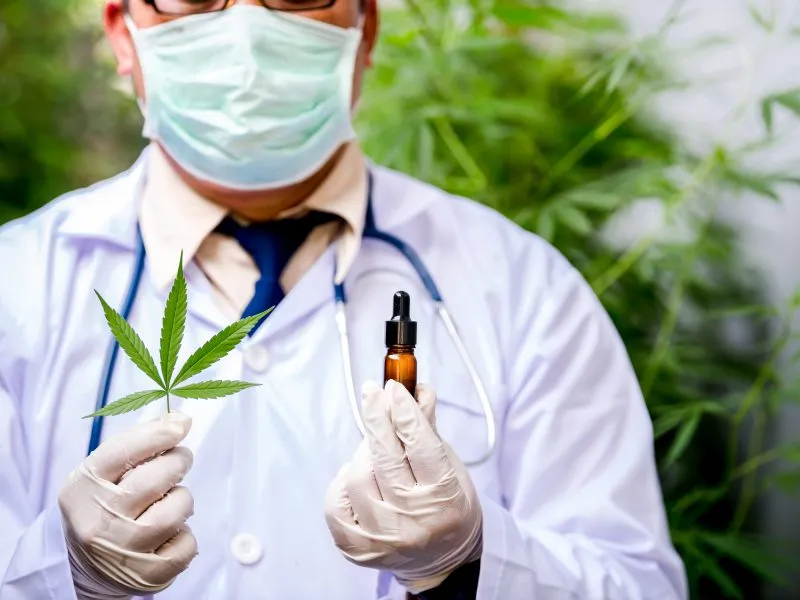
medical researcher holding marijuana and a small bottle

Is Glaucoma a Qualifying Condition in Minnesota?

Yes, Minnesota’s Medical Cannabis Program recognizes glaucoma as a qualifying medical condition. Residents diagnosed with glaucoma can obtain medical cannabis legally by presenting proper certification from a licensed practitioner.

The program has experienced substantial growth, addressing many conditions and providing a range of product forms. The Office of Cannabis Management (OCM) runs the program. It makes sure patients can access regulated products at licensed retailers.

This recognition validates what many glaucoma patients have found: medical cannabis may provide relief when other treatments fail. With certification, Minnesota residents can access cannabis products designed for medical use.

How to Get a Medical Cannabis Card for Glaucoma in Minnesota

Obtaining medical cannabis certification in Minnesota involves several steps. TeleLeaf simplifies this by connecting patients with licensed practitioners through telemedicine.

Why Choose Telemedicine for Signing Up?

Telemedicine offers several advantages for glaucoma patients:

  • Comfort and convenience: Complete your consultation from home without transportation issues.
  • Accessibility: Ideal for those with vision impairments or mobility concerns.
  • Privacy: Secure consultations in your preferred environment.
  • Flexibility: Schedule appointments around your existing treatment routines.
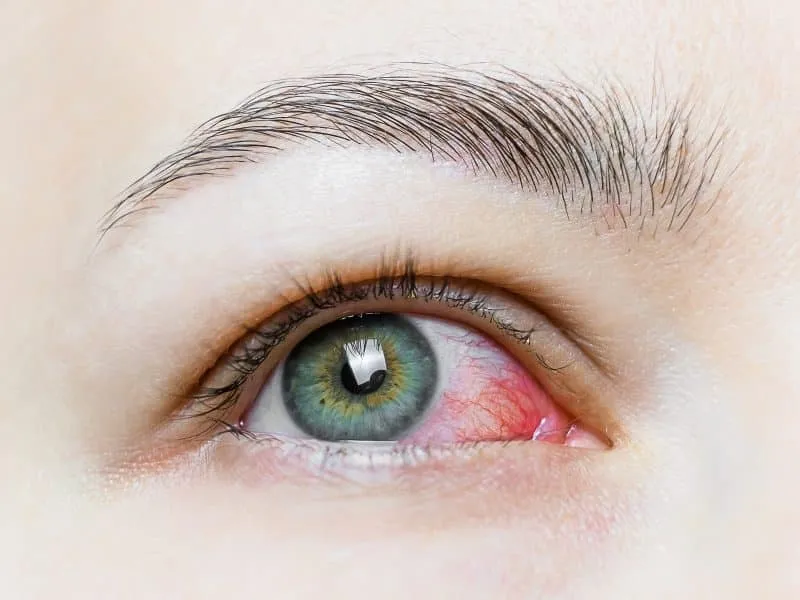
Close up of a severe bloodshot red eye. Viral Blepharitis, Conjunctivitis, Adenoviruses. Irritated or infected eye

Signing Up for a Medical Marijuana Card

  1. Register with TeleLeaf
  2. Connect with a doctor online
  3. After your telemedicine appointment, your Minnesota-licensed physician will certify your medical condition online in the Medical Cannabis Registry.
  4. Receive a certification email from the office of medical cannabis: This email contains your unique online enrollment link for the Medical Cannabis Registry. Follow the link in the email to enroll (check your spam or junk folder in case you do not see the email in your regular inbox).
  5. OMC online registration guide: Additional information about the OMC online registration process can be found at Medical Cannabis Patient Registration Guide
  6. Access your medical cannabis registry account: Once your enrollment is approved, you can access your Medical Cannabis Registry account and pick up medical cannabis at your nearest medical cannabis dispensary.

A full list of dispensaries can be found at the following link: Medical Cannabis dispensaries here. The OMC does NOT issue an actual medical cannabis card.

Enrollment Timeline and Requirements

Understanding Minnesota’s enrollment timeline is crucial for continuous access to medical cannabis:

  • 90-Day Enrollment Window: You have 90 days to finish your state enrollment after certification.
  • Processing Time: Allow up to 30 days for application processing.
  • Recommended Action: Enroll within 60 days of certification to avoid gaps in access.
Portrait of asian businesswoman standing holding and using a laptop in office. independent creative design business.

Required Documents for Enrollment

Gather these before starting your application:

  • Valid Minnesota driver’s license or state-issued ID
  • Proof of Minnesota residency (if your ID doesn’t show your current address).
  • Practitioner certification (submitted electronically)
  • Payment method for any fees

Understanding Costs

Being aware of costs helps patients plan:

  • State registration fees: Minnesota charges no state registration fees for medical cannabis.
  • Certification consultation: Practitioner fees usually fall between $100 and $400.
  • Product costs vary by product type and retailer.
  • Insurance coverage: Medical cannabis is not covered by insurance; all costs are out of pocket.

While these expenses are an investment, many patients find value in accessing regulated, quality-tested products with professional guidance.

A hand holding a blank, rectangular card against a muted purple background.

What to Expect at a Minnesota Medical Cannabis Retailer

Your first visit involves more steps than a typical pharmacy visit. Minnesota’s program prioritizes patient education and safety through structured consultations.

Before your Visit: Patient Self-Evaluation

Minnesota requires patients to complete a self-evaluation before each buy. This helps track your response to medical cannabis and informs pharmacists’ recommendations. Complete this evaluation with honesty to ensure personalized care.

Scheduling Your Appointment

Unlike recreational dispensaries, Minnesota medical cannabis retailers need appointments, especially for new patients. Contact your chosen retailer to set up your first consultation. Make sure to allow enough time with the pharmacist.

The Pharmacist’s Consultation

A licensed pharmacist will meet with you to discuss:

  • Your symptoms and treatment goals.
  • Your experience with cannabis (if any).
  • Product options suited to your needs.
  • Administration methods and what to expect.
  • How to track your response and adjust it as needed

This consultation is a key benefit of Minnesota’s medical program. You’ll receive professional guidance tailored to your condition.

What to Bring to Your First Visit

Prepare for your appointment by bringing:

  • Photo ID: Your Minnesota driver’s license or state-issued identification.
  • Current medication list: Include all prescriptions and over-the-counter medications.
Man in formal clothes is in the bathroom against mirror.

Visit Summary: Symptoms, Treatment History, or Questions for the Pharmacist

You can pay with cash or a debit card, as you usually can’t use credit cards for cannabis.

Product Types for Glaucoma Patients

Minnesota retailers offer various product forms. Your pharmacist will help you find options that fit your needs:

  • Tinctures and oils: these liquids allow precise measurement and easy use. Many patients enjoy the control that tinctures offer. They also appreciate their quick effects when taken under the tongue.
  • Edibles (cannabis-infused foods and beverages) offer discretion and longer-lasting effects. Remember, edibles can take up to two hours to work, so be patient.
  • Vaporizer products’ inhalation methods offer fast relief for those needing immediate effects. Modern vaporizers heat cannabis without burning it, providing a smoke-free option.
  • Topicals mainly address localized issues, but they can also play a role in a broader cannabis plan.

Your pharmacist will help you choose products that match your lifestyle and comfort level. Don’t assume what works best; the consultation is there to guide you.

Aromatherapy concept with pine oil on mint background

Checklist for Minnesota Glaucoma Patients

Use this checklist for a smooth certification and enrollment process:

Before Certification:

  • Gather medical records showing your glaucoma diagnosis.
  • Ensure your Minnesota ID has your current address.
  • Research TeleLeaf and set up your consultation.
  • Prepare questions about medical cannabis for your practitioner.

After Certification:

  • Watch for your OCM enrollment email.
  • Complete state enrollment within 60 days (this allows for processing time).
  • Research local retailers.
  • Schedule your first appointment with a retailer.

Before Your First Purchase:

  • Complete the required patient self-evaluation.
  • List your current medications.
  • Prepare questions for the pharmacist.
  • Arrange payment (cash or debit).
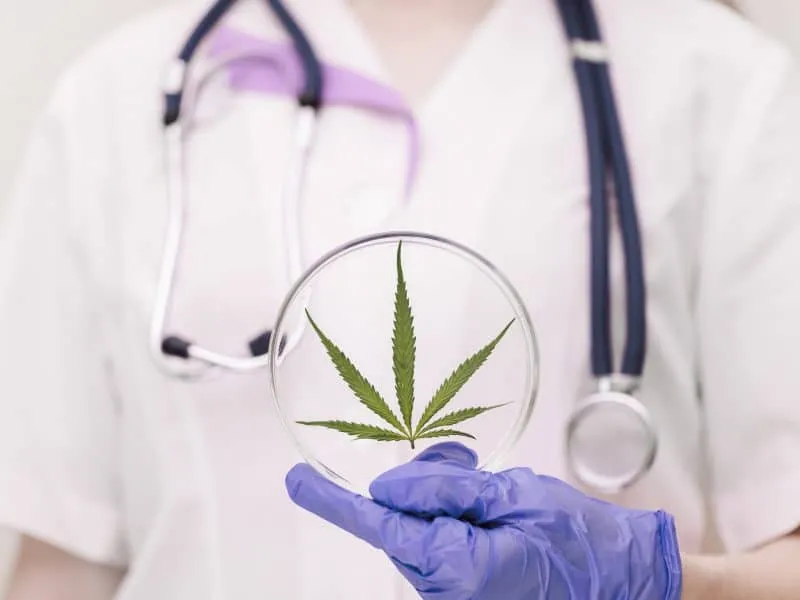
A medic professional with a stethoscope in a lab coat and blue gloves holds round laboratory glasses with a cannabis leaf. Hemp medicinal properties concept. Copy space.

Get your Minnesota Medical Cannabis Card with TeleLeaf

TeleLeaf connects Minnesota glaucoma patients with caring, licensed practitioners who understand their needs. Our telemedicine platform makes certification easy, allowing you to consult from home.

Our practitioners listen to your glaucoma journey, answer your questions, and provide certification when appropriate. The process is simple, private, and designed for you.

Schedule your TeleLeaf consultation today and take the first step toward accessing medical cannabis for your glaucoma symptoms in Minnesota.

Doctor-Giving-a-medical-Card-TeleLeaf
How to Get a Medical Marijuana Card in Minnesota

Minnesota makes it easy for qualified patients to get a medical marijuana card and access trusted cannabis care. With a quick certification and online registration, you can begin using medical cannabis legally and safely.

01

02
register-with-teleLeaf

Register with TeleLeaf

03
connect-with-doctor-online

Connect with a Doctor Online

04
gain-access

Get Access to Medical Cannabis

Frequently Asked Questions

After enrolling with the state, allow up to 30 days for processing. Once approved, you can book your first retailer appointment right away.

Your cannabis use is private health information. But telling your ophthalmologist helps them coordinate care and watch your treatment.

Talk about possible interactions with both your certifying practitioner and ophthalmologist. Many patients combine medical cannabis with traditional treatments.

You need to renew Minnesota certifications annually. TeleLeaf can help with recertification appointments when the time comes.

Keep track of how you respond and discuss changes with your pharmacist. Different products or methods may work better.

Trusted By 30K+ Patients
Patient Testimonials

Average Rating 5/5 See Other Reviews