Get Your Medical Marijuana Card Today - Fast & Easy!

Disclaimer: This article provides information only. It does not offer medical advice, diagnosis, or treatment recommendations. Please consult a qualified healthcare provider before considering medical cannabis or any treatment for chronic pain.
Last updated: Nov. 17, 2025
Millions of Americans suffer from chronic pain, which makes every day harder than being in pain. The condition can last three months or longer. And finding relief can seem like an endless search. Some patients enjoy traditional pain management. But others still experience breakthrough pain or unwanted side effects from standard medications.
Minnesota residents with chronic pain can now get medical cannabis legally. Patients can now get help with cannabis treatments from their doctor under the Office of Cannabis Management (OCM).

Chronic pain lasts more than three months. This is longer than the typical healing time for most injuries. Chronic pain can last long after the injury or illness that caused it has healed, or it can happen without any obvious injury at all. This is different from acute pain, which is a sign of an injury or illness right away.
This kind of pain has a different effect on the nervous system than acute pain. Repeated pain signals can cause changes in the nervous system that make it more sensitive. This is called central sensitization, and it means that the nervous system keeps sending pain signals even after the injury has healed.
Chronic pain manifests in various forms:
Beyond the physical sensation, chronic pain creates a cascade of challenges that impact daily life.
Patients frequently experience:
Because chronic pain is so complicated, what works for one patient may not work for another. Some patients feel that painkillers and traditional treatments don’t work for them. And this is why they turn to medical cannabis to ease them from their pain.

The endocannabinoid system (ECS) is a biological system present in all mammals. It helps manage pain, inflammation, and nervous system function. This is what connects cannabis and pain management.
The ECS consists of:
CB1 receptors are concentrated in the brain and spinal cord, areas central to pain processing. CB2 receptors are found primarily in immune system tissues and play a role in inflammation regulation.
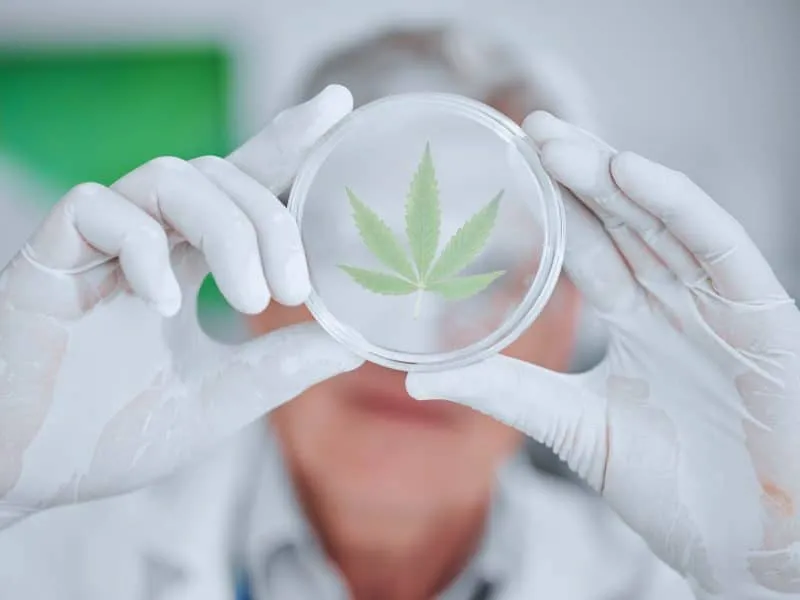
Cannabis contains phytocannabinoids: plant-based compounds that interact with the ECS.
The two primary cannabinoids studied for pain management are:
THC (tetrahydrocannabinol) binds to CB1 receptors. It may affect pain perception in different ways within the nervous system. Some research suggests THC can modulate pain signals and affect how the brain interprets pain.
CBD (cannabidiol) doesn’t bind directly to cannabinoid receptors. CBD may influence inflammation and pain signaling through other receptor systems and pathways.
A study examined cannabinoid therapy for chronic pain. Patients using medical cannabis saw improvements in pain levels and sleep quality over several months. Another study found that people with neuropathic pain who smoked cannabis reported less severe pain.

Chronic pain is a qualifying condition under Minnesota’s Medical Cannabis Program. Minnesota residents diagnosed with chronic pain can legally access medical cannabis once they complete the certification and enrollment process.
Being a qualifying condition means:
Patients using medicinal cannabis enjoy benefits like:
Employers can’t fire employees because they are registered patients in the program. But workplace drug policies may still apply in some cases.

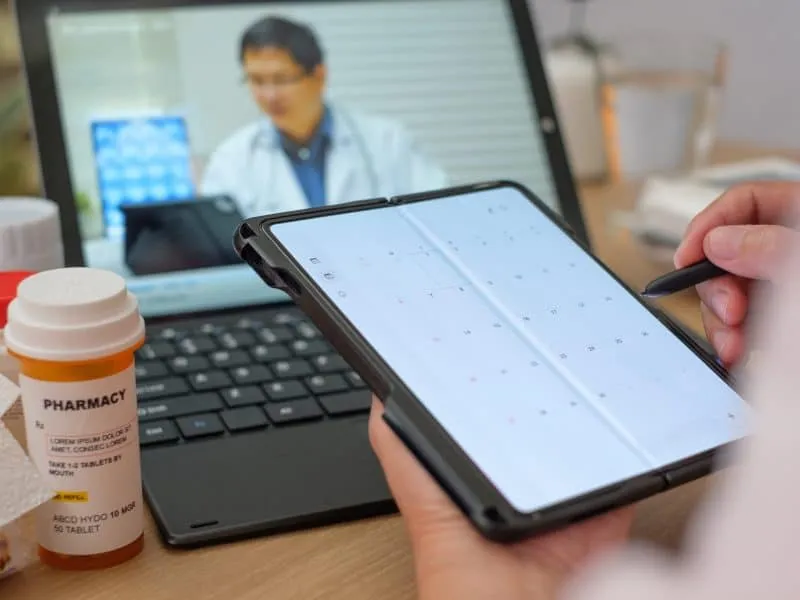
Telemedicine programs, like TeleLeaf, help chronic pain patients get medical cannabis from home.
We connect Minnesota cancer patients to licensed healthcare providers. We offer medical cannabis certification through our HIPAA-compliant platform. This means no extra travel to offices and no tiring trips during treatment weeks.
Timing works around your treatment schedule. Book appointments when you feel well, between chemotherapy cycles or radiation sessions.
A full list of dispensaries can be found at the following link: Medical Cannabis dispensaries here. The OMC does NOT issue an actual medical cannabis card.

You have a 90-day window to complete your enrollment in the state registry.
What you need:
Transparency about costs helps patients plan and make informed decisions:
Minnesota currently does not charge patients a fee to register with the medical cannabis program.
Medical cannabis products are not covered by insurance. Patients pay retail prices at dispensaries, though medical patients are exempt from state sales tax. Prices vary based on product type, potency, and quantity.
Medical cannabis certifications need periodic renewal. Your practitioner will inform you about the renewal timeline during your initial consultation.

Complete the patient self-evaluation. Before visiting a dispensary in Minnesota, fill out the self-evaluation form. This short survey asks about your symptoms and helps pharmacists provide you with better advice. You can finish it online before you get to the dispensary.
Schedule an appointment. Call ahead or use the dispensary’s online booking system to reserve your time slot. First-time patients should allow extra time for their initial consultation—an average of 30 to 60 minutes.
What to bring to the dispensary:
Minnesota’s medical program is unique. It includes on-site pharmacists who specialize in medical cannabis.
During your first visit, a pharmacist will:

Tinctures and oils make it easy to control how much you take in. You can take them under your tongue or mix them with meals or drinks. The effects usually start between 30 and 90 minutes after taking them and last for many hours. It’s easy to find a dose that works for your pain management needs in this format.
Capsules: Pre-measured capsules give you the same quantity every time without having to measure them. It takes longer for the effects to start (1–2 hours) and continue longer (4–8 hours or more) because they go through the digestive system. This might help with pain management during the day or night.
Flower works quickly (5–15 minutes), which is helpful for managing sudden pain flare-ups or breakthrough pain.
Topicals absorb in the area where you apply them and may help with joint pain, muscular soreness, or localized pain without making you feel high. Many people with chronic pain use topical treatments together with other types of products.
Edibles: The liver processes these products before they enter the bloodstream.
After your initial consultation, future dispensary visits become more streamlined. You will still complete the patient self-evaluation before each visit and keep your appointment. But the consultations will be shorter. You and the dispensary staff will work together to find the best options for your pain management.
Chronic pain doesn’t have to define your life. Patients in Minnesota can legally and safely manage their pain through the state’s medical cannabis program.
Call us at Teleleaf at (504) 264-3123 for any questions.

Minnesota makes it easy for qualified patients to get a medical marijuana card and access trusted cannabis care. With a quick certification and online registration, you can begin using medical cannabis legally and safely.
The TeleLeaf video consultation usually lasts 15-30 minutes. If approved, your practitioner certifies you immediately in the state registry. You’ll receive enrollment instructions from the OCM within a few days.
This depends on the medications you are taking. Talk to your doctor about interactions of cannabis with other medications.
No. Health insurance does not cover medical cannabis certification visits or product purchases.
No. Minnesota does not allow medicinal cannabis patients to grow their own plants at home.
Minnesota law protects certified medicinal cannabis patients’ jobs in various ways. If you are a registered patient, your employer must treat you the same as other employees. Employers can enforce drug-free workplace rules. They can act if you impair your work performance or test positive in certain situations. If you have specific questions, talk to an employment lawyer.
Certification renewal timelines vary.
No. Cannabis is still illegal on a federal level, and you can’t take cannabis goods across state lines. Minnesota’s medical cannabis program likewise doesn’t have any partnerships with other states’ programs.
Your certification will expire, so you need to schedule a new consultation with a practitioner to get certified again.