Apply for your Card Today!
Image
Featured In and Trusted By

Why Medical Marijuana is an Option for Chronic Motor Tic Disorder in Minnesota

Disclaimer: This article provides information only. It does not offer medical advice, diagnosis, or treatment recommendations. Please consult a qualified healthcare provider before considering medical cannabis or any treatment for chronic motor tic disorder.


Chronic motor or vocal tic disorder impacts daily life. It affects social interactions, work performance, self-esteem, and sleep quality.

More patients with persistent, involuntary movements or sounds have turned to medical cannabis as an alternative to traditional medications. When standard treatments don’t work, many Minnesotans are exploring a legal option available since 2014.

Minnesota’s Medical Cannabis Program includes chronic motor or vocal tic disorder as a qualifying condition.

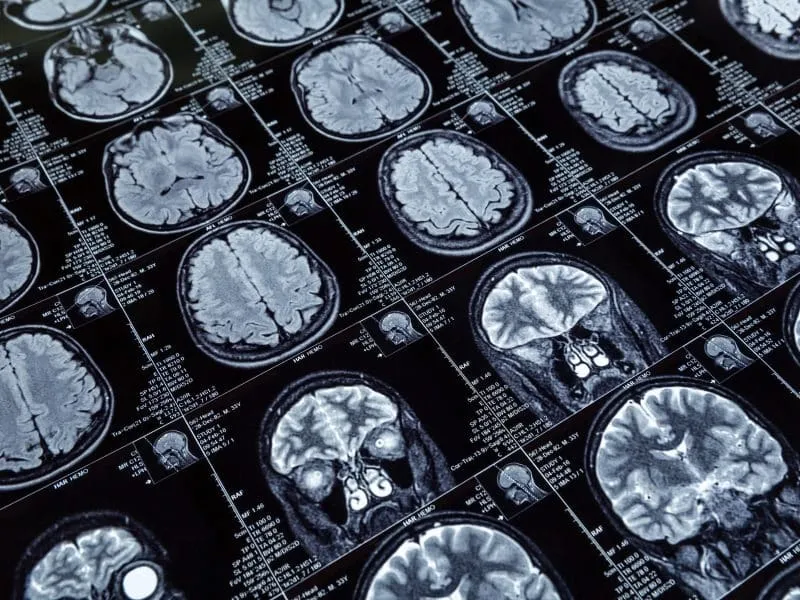
X-ray image of human brain

Understanding Chronic Motor or Vocal Tic Disorder and its Symptoms

Chronic motor or vocal tic disorder is a neurological condition that includes involuntary movements (motor tics) or sounds (vocal tics) lasting over a year. This disorder includes either motor or vocal tics. In contrast, Tourette syndrome involves both.

It usually starts in childhood but can persist into adulthood. Tic severity varies and often worsens during stress, excitement, or fatigue. Sometimes, tics improve during focused activities.

Motor tics involve involuntary physical movements, such as:

  • Eye blinking, eye rolling, or other facial movements.
  • Head jerking or shoulder-shrugging
  • Arm or leg movements
  • Jaw clenching or teeth grinding
  • Abdominal tensing

Vocal tics involve involuntary sounds, including:

  • Throat clearing, coughing, or sniffing
  • Grunting, humming, or other nonverbal sounds
  • Repetition of words or phrases
  • Involuntary utterances

Beyond the tics themselves, several associated challenges affect daily functioning:

  • Anxiety and social stress: Many people with tic disorders feel anxious about their tics, especially in social or work settings. Worrying about tics in public can increase stress, making tics worse. This fear of judgment can lead to isolation and a lower quality of life.
  • Sleep disturbances: Tics often continue or worsen when trying to sleep, making it hard to fall asleep. Ongoing sleep loss can worsen other symptoms and affect daily functioning.
  • Premonitory urges: Most patients with tic disorders feel uncomfortable sensations before a tic. These sensations are often described as an itch or tension that builds until the tic brings temporary relief. 
  • Physical discomfort: Repetitive tics can cause muscle strain, tension headaches, and pain. Frequent tics affecting the neck, shoulders, or face may lead to chronic soreness and fatigue.
  • Concentration difficulties: Suppressing tics and dealing with premonitory urges can make it hard to focus on work, studies, or conversations. Tic suppression is mentally tiring and often difficult to maintain over time.
  • Comorbid conditions: Chronic tic disorder often occurs with other issues like obsessive-compulsive disorder (OCD), attention-deficit/hyperactivity disorder (ADHD), anxiety disorders, and depression. This creates a complex mix of symptoms that need careful management.

Medical cannabis is being researched to manage tic frequency and severity. It may also help reduce anxiety, improve sleep, and enhance quality of life. But it is not a cure for the underlying neurological condition.

displeased woman having insomnia while lying on bed at night

Medical Cannabis for Chronic Tic Disorder: What Does the Research Say?

Research on cannabis for tic disorders is still limited but shows promise. The endocannabinoid system plays a role in motor control, anxiety, and stress responses.

Some researchers show that tic disorders might involve endocannabinoid system dysfunction. Cannabinoids, such as THC and CBD, affect this system. They may lower how often tics occur and their severity.

A small pilot study found that THC treatment helped reduce tic severity in patients with Tourette syndrome. The study had few participants, but it showed early signs that cannabinoids might affect tic expression.

In the Journal of Neuropsychiatry and Clinical Neurosciences, some patients with tic disorders reported improvements in tic frequency and severity after using cannabis. These reports were mostly observational, not from controlled trials.

Symptom-specific observations:

  • Tic reduction: Some studies show that cannabinoids might lower the frequency and intensity of motor and vocal tics. This may relate to cannabis’s effects on dopamine regulation and motor control.
  • Anxiety management: Research shows that CBD has anti-anxiety properties. Since anxiety can worsen tics, managing anxiety may help reduce tic severity.
  • Sleep improvement: Studies suggest cannabis may improve sleep onset and quality. Better sleep can lower tic severity and enhance daytime functioning.
  • Muscle relaxation: Cannabis might help ease tension and discomfort from repetitive tics.
A sick woman with a headache lies on the sofa.

Is Chronic Motor or Vocal Tic Disorder a Qualifying Condition in Minnesota?

Yes. Chronic motor or vocal tic disorder qualifies for Minnesota’s Medical Cannabis Program.

How to Get a Medical Cannabis Card for Chronic Tic Disorder in Minnesota

The certification process has three main steps: get certified by a healthcare practitioner, enroll in the state registry, and buy from a licensed retailer.

TeleLeaf connects Minnesota residents to doctors for medical cannabis recommendations. You can do this in the comfort of your home.

  1. Register with TeleLeaf
  2. Connect with a doctor online
  3. After your telemedicine appointment, your Minnesota-licensed physician will certify your medical condition online in the Medical Cannabis Registry.
  4. Receive a certification email from the office of medical cannabis: This email contains your unique online enrollment link for the Medical Cannabis Registry. Follow the link in the email to enroll (check your spam or junk folder in case you do not see the email in your regular inbox).
  5. OMC online registration guide: Additional information about the OMC online registration process can be found at Medical Cannabis Patient Registration Guide
  6. Access your medical cannabis registry account: Once your enrollment is approved, you can access your Medical Cannabis Registry account and pick up medical cannabis at your nearest Medical Cannabis Retailers. 

A full list of retailers can be found at the following link: Medical Cannabis Retailers here.  The OMC does NOT issue an actual medical cannabis card.

medical cannabis card

What you’ll need for enrollment:

  • Valid Minnesota driver’s license or state identification card
  • Email address for correspondence from the OCM
  • Access to complete the online enrollment form

Minnesota does not charge state registration fees for medical cannabis patients. Medical cannabis products aren’t covered by health insurance, so you pay out of pocket. The retail pharmacist can help you find affordable options for managing your symptoms.

Product types for tic disorder management:

  • Tinctures and oils are liquid extracts taken with a dropper, usually placed under the tongue. They allow for precise dosing and work within 15-45 minutes. This can help manage tic severity throughout the day. Their easy adjustability makes tinctures popular for flexible dosing.
  • Capsules and tablets offer consistent, pre-measured doses in pill form. They take longer to kick in (30 minutes to 2 hours) but provide convenience and predictability. Capsules fit well into daily routines and blend easily with current medication plans.
  • Edibles include gummies, mints, chocolates, and other infused foods. They deliver long-lasting effects (4-8 hours), which can help during the workday or overnight. Since they take longer to act, plan to take them before you need symptom control.
  • Vaporized products have the fastest onset (within minutes), which is useful for sudden tics or acute anxiety. However, inhalation methods aren’t for everyone and should be discussed with your pharmacist.
  • Topicals like creams or lotions can be used on areas with muscle tension or pain from tics. They offer localized relief without intoxication.

Your healthcare provider can guide you through these options based on your symptoms, daily routine, and preferences.

CBD and HHC oil capsules and balm, Medical marijuana products with Cannabis plant

Managing Tics Shouldn’t Mean More Medical Appointments

Living with chronic motor or vocal tic disorder already involves enough healthcare complexity. Accessing medical cannabis in Minnesota doesn’t have to add to that burden.

TeleLeaf provides a straightforward path to certification through secure video consultations with licensed Minnesota practitioners who understand tic disorders.

Schedule your consultation today and discover how Minnesota’s medical cannabis program can support your journey toward better symptom control.

Over shoulder view of senior doctor sitting at table and touching neck of mature man while doing neck lump examination
How to Get a Medical Marijuana Card in Minnesota

Minnesota makes it easy for qualified patients to get a medical marijuana card and access trusted cannabis care. With a quick certification and online registration, you can begin using medical cannabis legally and safely.

01
register-with-teleLeaf

Register with TeleLeaf

02
connect-with-doctor-online

Connect with a Doctor Online

03

Get Access to Medical Cannabis

Frequently Asked Questions

Your medical cannabis registration is confidential health information protected by HIPAA. But, if you’re subject to drug testing for employment or other purposes, medical cannabis use will result in positive tests for THC. Minnesota law offers limited job protections for registered medical cannabis patients. Consider your specific circumstances.

Medical cannabis is not a cure for chronic tic disorder and may not cut tics completely. The goal is to manage symptoms. This means reducing tic frequency and severity, lowering anxiety, and improving quality of life. Individual responses vary, and realistic expectations are important.

No. Medical cannabis is not covered by health insurance, Medicare, or Medical Assistance (Medicaid). Patients are responsible for all costs, including practitioner consultation fees and product purchases.

It depends on the patient. Talk to your healthcare provider about products, dosages, and how often to adjust said dosages.

Talk to your doctor before mixing medical cannabis with other medications. Your healthcare providers can help coordinate safe, integrated care.

THC-containing products can impair driving and certain work tasks. CBD-dominant products usually do not cause impairment, but they may still influence the results of drug tests. Don’t drive or operate machinery when you’re impaired.

Trusted By 30K+ Patients
Patient Testimonials

Average Rating 5/5 See Other Reviews