Apply for your Card Today!
Image
Featured In and Trusted By

How Medical Marijuana Supports Autism Spectrum Disorder in Minnesota

Disclaimer: This article provides information only. It does not offer medical advice, diagnosis, or treatment recommendations. Please consult a qualified healthcare provider before considering medical cannabis or any treatment for autism spectrum disorder.


For families and individuals with autism spectrum disorder in Minnesota, managing tough symptoms can be a constant journey.

Autism brings many daily challenges, like sensory sensitivities, anxiety, and sleep issues. This often needs a varied care approach. Behavioral therapies and regular medications are the most common ways to manage the condition. But Minnesota’s Medical Cannabis Program provides another legal option that some patients are considering.

Minnesota’s medical cannabis program includes autism spectrum disorder as a qualifying condition.

Patients who meet DSM-5 criteria can access cannabis products through approved channels. This article will help you understand how to access medical cannabis for autism in Minnesota. It covers research, legal rules, and practical steps.

New popular silicone colorful anti-stress popit toy for baby on the background with geometric shapes. simple dimple. Pop it toy

Understanding Autism Spectrum Disorder and Its Symptoms

Autism spectrum disorder (ASD) is a neurodevelopmental condition. It features differences in social communication, behavior patterns, and sensory processing.

The condition has a broad spectrum. Symptoms and their severity vary among patients. Some need a lot of support, while others can manage on their own with little help.

The DSM-5 sets criteria for diagnosing autism. It includes ongoing differences in social communication and interaction. It also covers restricted and repetitive behaviors, interests, or activities.

These core features often come with associated symptoms that impact quality of life:

  • Anxiety and stress: This is common in social situations or when their routines change. Anxiety can show up as physical symptoms, emotional distress, or behaviors. These can disrupt daily life.
  • Aggression and self-destructive behaviors: Some patients on the spectrum might be aggressive to others or hurt themselves. This often happens when they feel overwhelmed, can’t express their needs, or face sensory overload. These behaviors often stem from frustration or sensory discomfort rather than intentional harm.
  • Sleep disturbances: Sleep problems affect 50-80% of children with autism and persist into adulthood for many. Struggling to fall asleep, waking up often at night, and having irregular sleep patterns can worsen other symptoms. These issues can also affect family life.
  • Sensory processing challenges can lead to hypersensitivity or hyposensitivity. This means a person may be overly sensitive or not sensitive enough to sounds, lights, textures, or tastes. Both can cause major distress. These sensory issues may contribute to anxiety, meltdowns, and avoidance behaviors.
  • Repetitive behaviors and rigidity: They can be an issue if they disrupt learning, social interactions, or cause stress for the person or their family.
  • Communication difficulties: Issues with speaking and body language can frustrate the person and their caregivers. This is especially true when someone can’t share needs.
  • Gastrointestinal issues: Patients have ongoing digestive problems. These include constipation, diarrhea, and abdominal pain. Such issues can impact behavior and comfort.

Medical cannabis is being studied to help manage related symptoms and improve quality of life, rather than to treat autism. The goal is symptom relief that may enable patients to function with greater comfort in their daily lives.

Help with mental illness concept. Papercut head with jigsaw puzzle pieces inside. Mental health problems, psychology, memory, logic, thinking process, solution search.

Medical Cannabis for Autism: What Does the Research Say?

Research on medical cannabis for autism spectrum disorder is still new. But several studies have looked at its potential to help with specific symptoms.

The theory focuses on the endocannabinoid system. This system helps control anxiety, sleep, sensory processing, and inflammation. Autism can affect all these areas.

Some researchers think that people with autism might have differences in their endocannabinoid system.

Cannabinoids, such as CBD and THC, work with this system. They may help manage symptoms.

Current research findings:

A study tracked children with autism using CBD-rich cannabis extracts.

Researchers saw improvements in:

  • Behavioral outbreaks (61% of participants)
  • Anxiety (39%)
  • Communication problems (47%)

Another study found that cannabis helped autistic children. It improved their behavioral issues, anxiety, and communication struggles.

The study found that 30% of participants had significant improvement. Also, 53% showed moderate improvement.

Symptom-specific observations:

  • Anxiety reduction: A study shows that cannabinoids may lower anxiety levels. This could help, especially since many individuals with autism face high rates of anxiety disorders.
  • Sleep Improvement: Research shows that cannabis, especially CBD, helps people fall asleep faster and stay asleep longer. This could help families deal with a common and tough issue.
  • Behavioral regulation: Some studies show that medical cannabis may lower aggressive behaviors and self-injury in certain individuals.
  • Sensory processing: Some people say cannabis helps with sensory overload. But, there’s not much research on this topic.
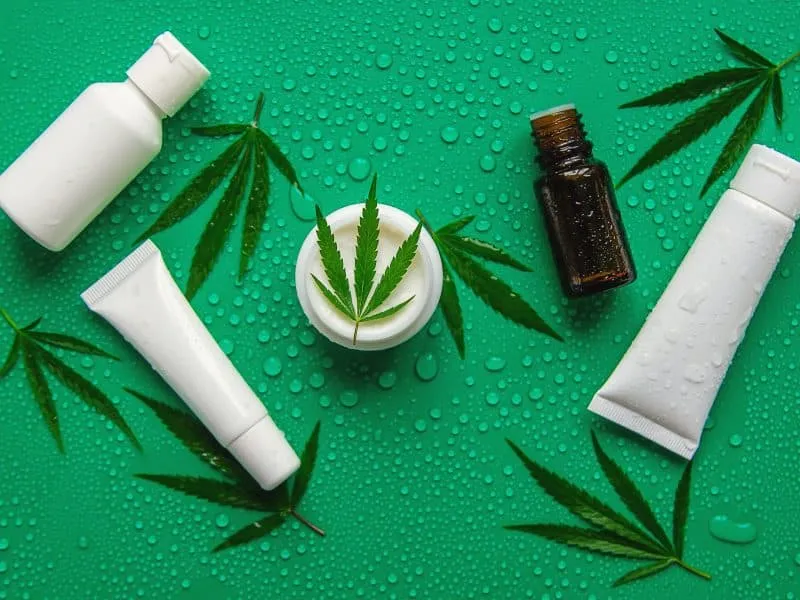
Cosmetics with cannabis extract on a wet background. Selective focus. Spa.

Is Autism Spectrum Disorder a Qualifying Condition in Minnesota?

Yes. Autism spectrum disorder, according to DSM-5 criteria, receives official recognition as a qualifying condition in Minnesota’s Medical Cannabis Program.

The Division of Medical Cannabis, part of the Office of Cannabis Management (OCM), allows medical cannabis for autism.

Patients need an autism diagnosis that meets DSM-5 criteria, says the OCM. This ensures that a proper clinical diagnosis, not an informal assessment, is used for certification.

This designation recognizes the heavy symptom burden that many people with autism face. It also highlights how conventional treatments may not work well for some of these symptoms. 

Minnesota patients with a qualifying autism diagnosis can get medical cannabis. To do this, they need a certification from a licensed healthcare practitioner.

As of March 2025, Minnesota’s medical cannabis program has registered more than 51,000 patients. This includes individuals with autism, who are now part of a community using this legal treatment.

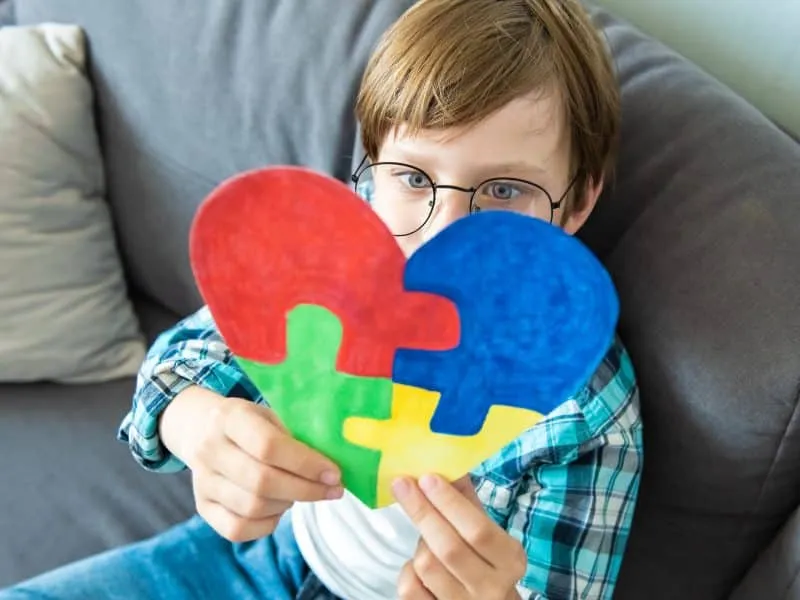
Preteen boy holding puzzle jigsaw heart shape, child mental health concept, world autism awareness day, teen autism spectrum disorder awareness concept

How to Get a Medical Cannabis Card for Autism in Minnesota

TeleLeaf connects Minnesota patients to licensed healthcare providers for medical cannabis certification. 

  1. Register with TeleLeaf
  2. Connect with a doctor online
  3. After your telemedicine appointment, your Minnesota-licensed physician will certify your medical condition online in the Medical Cannabis Registry.
  4. Receive a certification email from the office of medical cannabis: This email contains your unique online enrollment link for the Medical Cannabis Registry. Follow the link in the email to enroll (check your spam or junk folder in case you do not see the email in your regular inbox).
  5. OMC online registration guide: Additional information about the OMC online registration process can be found at Medical Cannabis Patient Registration Guide
  6. Access your medical cannabis registry account: Once your enrollment is approved, you can access your Medical Cannabis Registry account and pick up medical cannabis at your nearest Medical Cannabis dispensary. 

A full list of dispensaries can be found at the following link: Medical Cannabis dispensaries here.  The OMC does NOT issue an actual medical cannabis card..

All consultations are secure and keeps your health information safe while you get the care you need. 

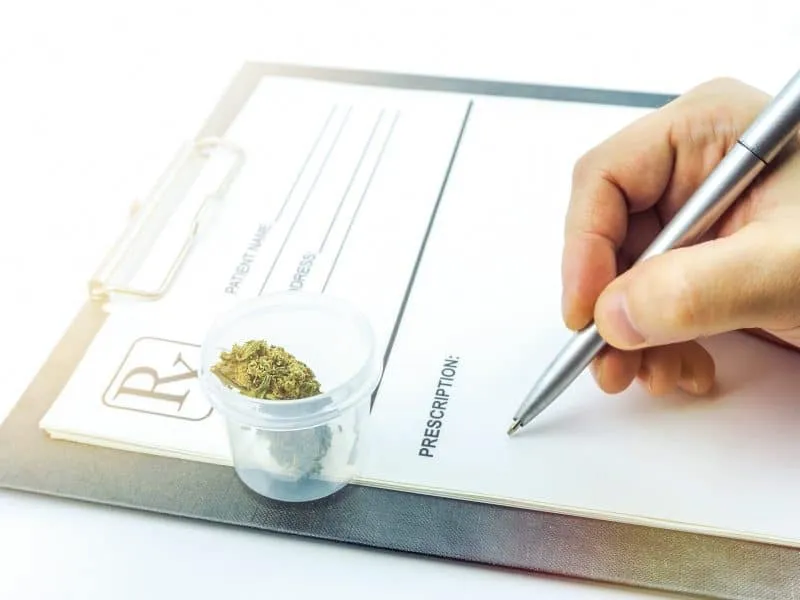
medical-marijuana-concept-at-doctors-office-2025-01-08-08-50-59-utc

What to Expect at a Minnesota Medical Cannabis Retailer

Once you enroll in the registry, you can schedule your first appointment at any licensed medical cannabis store in Minnesota. 

Professional pharmacist consultation:

Every Minnesota medical cannabis retailer employs trained pharmacists who specialize in cannabis medicine. Your first visit includes a detailed consultation. The pharmacist will talk about your symptoms, current medications, and treatment goals.

The pharmacist will ask about your toughest symptoms. They’ll want to know when these symptoms happen and how they affect your daily life. They’ll check for possible interactions with other medications.

Then, they will talk about which products and delivery methods are best for you.

Product types suitable for individuals with autism:

Medical cannabis comes in various forms, each with distinct characteristics. For patients with autism, some products may work better or be easier to use:

Tinctures and oils are liquid cannabis extracts

You can use a dropper to place them under your tongue or mix them into food or drinks. They provide precise dosing control. Effects generally begin within 15 to 45 minutes. The dropper lets caregivers give the same amount each time. The sublingual method is good for people who don’t want to swallow pills.

Capsules and tablets

Provide consistent, pre-measured doses in a familiar pill format. They’re discreet and convenient, but you need to digest them. This delays their effects for 30 minutes to 2 hours. For individuals who struggle with swallowing pills, these may not be the best option.

Edibles 

Edibles provide long-lasting effects (4-8 hours), which can help with sustained symptom management. But the delayed onset requires patience and careful monitoring.

You can apply topicals such as creams and lotions to the skin for localized benefits. They don’t cause intoxicating effects. This makes them safe for situations where you don’t want systemic effects. Some families use topical treatments for those with sensory issues or tension.

Vaporized products 

They work quickly but may not be safe for those with breathing issues. The pharmacist can discuss whether this delivery method makes sense for your situation.

The pharmacist will help you pick options. They consider your age, symptoms, sensory preferences, and how well you cooperate with different methods. Finding the right approach takes patience and careful observation. It often requires change with professional guidance.

Pharmacist giving medicine into paper bag to a customer at the counter

Compassionate Care with TeleLeaf

Schedule your TeleLeaf consultation today and discover how Minnesota’s medical cannabis program can support your journey. For any questions, call us at (504) 264-3123.

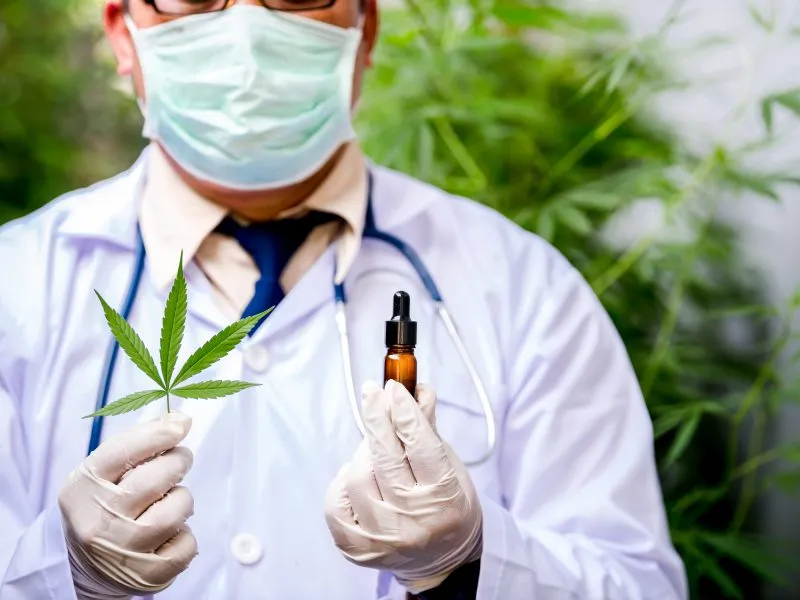
medical researcher holding marijuana and a small bottle
How to Get a Medical Marijuana Card in Minnesota

Minnesota makes it easy for qualified patients to get a medical marijuana card and access trusted cannabis care. With a quick certification and online registration, you can begin using medical cannabis legally and safely.

01
register-with-teleLeaf

Register with TeleLeaf

02
connect-with-doctor-online

Connect with a Doctor Online

03

Get Access to Medical Cannabis

Frequently Asked Questions

Yes. Parents and legal guardians can register minors or dependent adults with autism. Designated caregivers can also receive authorization to buy medical cannabis on behalf of the patient.

No. Medical cannabis is not covered by health insurance plans, including Medical Assistance (Medicaid). Families are responsible for all costs, including consultation fees and product purchases.

Minnesota does not charge state registration fees for medical cannabis patients. The main costs include the practitioner consultation fee, ranging from $100 to $400. Ongoing product costs depend on the type and amount used.

Medical cannabis is legal in Minnesota for registered patients. But, schools and other institutions might have different rules. Speak with school leaders, care coordinators, and service agencies. Find out what they need about medical cannabis. Some families decide to keep things private unless needed. Others like open talks with their care teams.

Response times vary. Working closely with the dispensary pharmacist and maintaining detailed records of symptoms can help identify what works.

Trusted By 30K+ Patients
Patient Testimonials

Average Rating 5/5 See Other Reviews