Get Your Medical Marijuana Card Today - Fast & Easy!

Disclaimer: This article provides information only. It does not offer medical advice, diagnosis, or treatment recommendations. Please consult a qualified healthcare provider before considering medical cannabis or any treatment for Alzheimer’s disease.
For families dealing with Alzheimer’s in Minnesota, the journey can be tough. Watching a loved one face behavioral changes, sleep issues, and a decline in quality of life can leave caregivers looking for solutions.
While traditional medications are common, Minnesota’s Medical Cannabis Program offers an alternative that some families are exploring.
Since 2014, Minnesota has allowed specific medical conditions to qualify for medical cannabis access. Alzheimer’s disease is one of these conditions, giving patients a chance to explore it under medical guidance.

Alzheimer’s is a progressive neurodegenerative disorder that affects memory, thinking, and behavior. It impacts cognitive function and leads to challenging behavioral and psychological symptoms.
Common symptoms:
These symptoms greatly affect the quality of life for both patients and caregivers. While traditional medications can help, they don’t work for everyone and may have unwanted side effects. This leads some Minnesota families to consider medical cannabis as a complementary approach.

Cannabis may help manage Alzheimer’s symptoms by interacting with the endocannabinoid system. This system helps regulate mood, memory, sleep, and appetite. The compounds in cannabis, especially THC and CBD, affect this system in ways still being studied.
Some studies have looked at cannabinoids for Alzheimer’s symptoms. A 2016 study in the Journal of Alzheimer’s Disease found that small doses of THC might reduce agitation in dementia patients. Research in Frontiers in Pharmacology shows cannabinoids could have neuroprotective properties and manage behavioral symptoms.
Clinical observations have shown that some patients may experience:
However, research in this area is still limited. Most studies involve small participant numbers, and long-term effects need more study. Medical cannabis should not be seen as a cure for Alzheimer’s but as a potential option for managing specific symptoms.
The scientific community is continuing to study these effects, and more robust clinical trials are needed to create clear guidelines for use in Alzheimer’s patients.

Yes. Alzheimer’s disease is recognized as a qualifying condition under Minnesota’s Medical Cannabis Program. The program, managed by the Division of Medical Cannabis under the Office of Cannabis Management (OCM), includes Alzheimer’s on its list of eligible conditions.
This means Minnesota patients with an Alzheimer’s diagnosis can legally access medical cannabis products through the state’s regulated system, provided they receive certification from a licensed healthcare practitioner. The program operates separately from the adult-use cannabis market, offering specific support for medical patients.
As of March 2025, over 51,000 patients are registered in Minnesota’s medical cannabis program, highlighting its importance even after adult-use legalization.

TeleLeaf offers a convenient way for Minnesota residents to connect with licensed healthcare practitioners for medical cannabis certification through secure video consultations. This approach can help Alzheimer’s patients and their caregivers access care more easily.
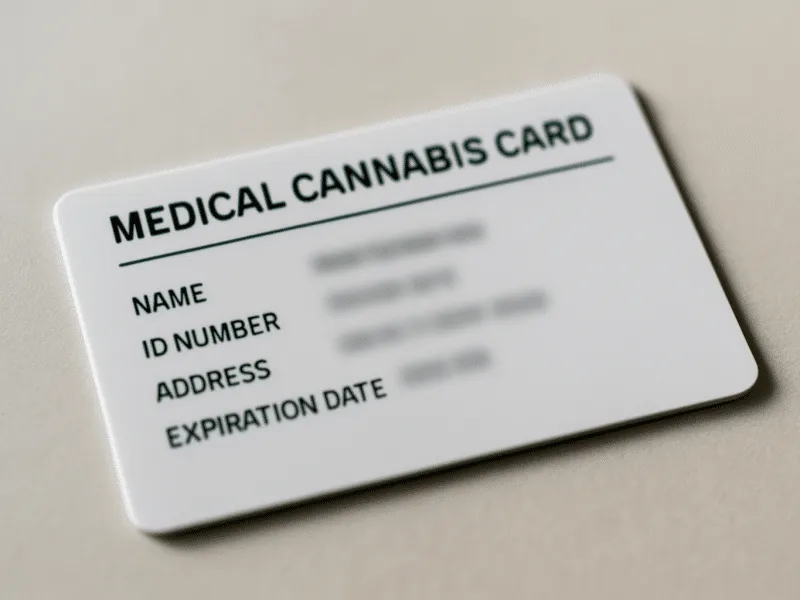
A full list of dispensaries can be found at the following link: Medical Cannabis dispensaries here. The OMC does NOT issue an actual medical cannabis card.
Comfort and convenience are key when dealing with Alzheimer’s. Telemedicine removes the need to transport a patient to a doctor’s office, which can be stressful. Instead, consultations occur in the familiar setting of home.
Accessibility is especially important for patients with mobility issues or those in rural areas far from cannabis-friendly practitioners. TeleLeaf connects you with qualified doctors throughout Minnesota.
All consultations are HIPAA-compliant and conducted through secure video technology, protecting sensitive health information.

Once enrolled in the registry, you can schedule your first appointment at any licensed medical cannabis retailer in Minnesota. These visits differ from adult-use cannabis shops, offering specialized medical guidance.
Every medical cannabis retailer in Minnesota has trained pharmacists on staff. During your first visit, a pharmacist will conduct a consultation to understand your symptoms, current medications, and treatment goals. This helps ensure you select suitable products and know how to use them safely.
Product types for Alzheimer’s patients:
Medical cannabis is available in different forms. Some types may be especially good for seniors and Alzheimer’s patients:
Tinctures and oils are liquid extracts administered with a dropper, often placed under the tongue. They allow for precise dosing control and take effect within 15 to 45 minutes. The measured dropper makes it easy for caregivers to administer consistent amounts.
Edibles include products like capsules, tablets, and infused foods. They’re discreet and provide effects that last between 4 and 8 hours. But, edibles take longer to take effect—usually 30 minutes to 2 hours—so patience is important. Caregivers should be aware of this delayed onset to avoid administering too much.
People apply topicals, which consist of creams, lotions, or balms, directly to the skin. They won’t fix behavioral symptoms, but they can ease localized pain. Plus, they won’t make you feel intoxicated. Some caregivers find them helpful for easing physical discomfort. This discomfort can lead to agitation.
The pharmacist will go over these options with you. They will think about things like how well the patient can swallow, when symptoms happen, and what the caregiver prefers. Keep in mind that everyone reacts differently. Finding the best approach might need some trial and error with professional help.

TeleLeaf makes it simple to connect with compassionate, licensed Minnesota practitioners who understand the unique challenges Alzheimer’s patients face.
Book your TeleLeaf consultation today. Learn how Minnesota’s medical cannabis program can help improve your loved one’s quality of life.

Minnesota makes it easy for qualified patients to get a medical marijuana card and access trusted cannabis care. With a quick certification and online registration, you can begin using medical cannabis legally and safely.
Yes. Caregivers can help with registration. In some cases, they can become designated caregivers. This means they are allowed to buy medical cannabis for the patient.
No. Medical cannabis is not covered by health insurance plans. Patients are responsible for all costs, including practitioner consultation fees and product purchases.
Minnesota does not charge state registration fees for medical cannabis patients. Practitioner consultation fees usually range from $100 to $400. This depends on the provider. Telemedicine services like TeleLeaf often provide transparent pricing upfront.
This depends on the specific facility’s policies. Some nursing homes in Minnesota accommodate medical cannabis use, while others do not. It’s essential to discuss this with the facility’s administration before pursuing certification.