Apply for your Card Today!
Image
Featured In and Trusted By

Disclaimer: This article provides information only. It does not offer medical advice, diagnosis, or treatment recommendations. Please consult a qualified healthcare provider before considering medical cannabis or any treatment for ALS.


An amyotrophic lateral sclerosis (ALS) diagnosis changes everything. For patients and families in Minnesota, this progressive condition brings daily challenges.

Muscle strength diminishes over time, making each day tougher. The search for treatments that can ease symptoms and preserve quality of life becomes urgent and a matter of personal significance.

There is no cure for ALS. But Minnesota’s Medical Cannabis Program offers a legal way for patients to find relief from tough symptoms.

ALS has been a qualifying condition for medical cannabis in Minnesota since the program began. This article will help ALS patients understand medical cannabis. You’ll learn about current research and practical steps to access it in Minnesota’s regulated system.

anatomical model of human head with vascular structure

Understanding ALS and Its Symptoms

ALS, or Lou Gehrig’s disease, is a progressive neurodegenerative disorder that affects nerve cells in the brain and spinal cord. Motor neurons manage voluntary muscle movement. As these neurons weaken, patients slowly lose muscle control.

The condition begins with subtle symptoms that worsen over time:

  • Muscle weakness and atrophy: ALS usually begins in the hands, feet, or limbs. It makes fine motor tasks hard, like buttoning shirts or holding objects. As the condition gets worse, weakness moves to other muscles. Soon, it affects the whole body.
  • Spasticity and muscle cramps: ALS patients have painful muscle cramps. They also deal with stiffness and involuntary muscle contractions, known as spasticity. These symptoms can be worse at night. They disrupt sleep and cause a lot of discomfort.
  • Difficulty speaking and swallowing: ALS impacts the muscles for speech and swallowing. Patients may experience slurred speech (dysarthria) and struggle with eating or drinking (dysphagia). These symptoms not only impact communication but also increase the risk of choking and aspiration.
  • Respiratory challenges: Weakness in the respiratory muscles causes breathing problems. If not addressed, these issues can become life-threatening. Many patients need ventilatory support as the condition advances.
  • Emotional and Psychological Effects: ALS patients often face depression, anxiety, and emotional lability. This means they may experience sudden, uncontrollable laughter or crying.

These symptoms come from the condition’s effects on the nervous system and the mental strain of a terminal diagnosis.

The average life expectancy after diagnosis is two to five years, though some patients live much longer. Managing symptoms is the main focus of care. This leads many families to explore complementary options, such as medical cannabis.

elderly couple nature walk

Medical Cannabis for ALS: What Does the Research Say?

Cannabis may help ALS patients manage symptoms, but it’s not a cure for ALS.

Cannabinoids work with the endocannabinoid system in our body. This system helps manage pain, inflammation, muscle function, and mood.

Research in this area remains limited but shows promising directions.

A 2019 survey in Neurology Research International found that ALS patients who used cannabis reported:

  • Improved appetite
  • Less depression
  • Reduced pain
  • Lower spasticity

A study in CNS & Neurological Disorders showed that cannabis may help lower excessive saliva production. Preclinical research has explored whether cannabinoids might have neuroprotective properties. Another study shows that cannabis compounds might slow motor neuron degeneration.

Clinical observations and patient reports have indicated potential benefits in several areas:

  • Spasticity and muscle cramps: Some research shows cannabinoids might ease muscle stiffness and cramps. These symptoms can be very troublesome for ALS patients.
  • Pain management: Cannabis might help ease various pain types from ALS, like musculoskeletal pain and nerve discomfort.
  • Sleep improvement: Many patients say medical cannabis helps them sleep better. This can lead to a better quality of life and improved daytime functioning.
  • Appetite stimulation: Cannabis is known to stimulate appetite, which may help ALS patients maintain nutrition and body weight as swallowing becomes more difficult.

It’s important to note that these findings are good, but high-quality clinical trials on ALS are still rare. Medical cannabis can be a useful tool in a complete symptom management plan. However, it should not be seen as a cure for the condition. Always consult healthcare providers who know about ALS care before trying medical cannabis.

cannabis sativa grown outdoors close up of marijuana

Is ALS a Qualifying Condition in Minnesota?

Yes. Minnesota’s Medical Cannabis Program lists ALS as a qualifying medical condition. The Division of Medical Cannabis, part of the Office of Cannabis Management (OCM), has included ALS as a qualifying condition since the program started in 2014.

This designation highlights the heavy symptom burden faced by ALS patients. It also shows the potential of medical cannabis to offer relief. Minnesota residents diagnosed with ALS can legally use medical cannabis. They must first get certification from a licensed healthcare provider.

Doctors include ALS as a qualifying condition because it’s a severe condition. There are also a few treatment options for managing its symptoms.

As of March 2025, Minnesota’s medical cannabis program has registered more than 51,000 patients. ALS patients are part of a large group finding relief through this legal option.

two doctors holding hands of elderly patient

How to Get a Medical Cannabis Card for ALS in Minnesota

Getting medical cannabis in Minnesota is a simple three-step process. For ALS patients and their caregivers, handling medical appointments can feel overwhelming.

Simple tasks may become challenging. This is where telemedicine services can make a meaningful difference.

TeleLeaf offers a convenient way for Minnesota residents to connect with licensed healthcare practitioners for medical cannabis certification through secure video consultations. This approach can help Alzheimer’s patients and their caregivers access care more easily.

  1. Register with TeleLeaf
  2. Connect with a doctor online
  3. After your telemedicine appointment, your Minnesota-licensed physician will certify your medical condition online in the Medical Cannabis Registry.
  4. Receive a certification email from the office of medical cannabis: This email contains your unique online enrollment link for the Medical Cannabis Registry. Follow the link in the email to enroll (check your spam or junk folder in case you do not see the email in your regular inbox).
  5. OMC online registration guide: Additional information about the OMC online registration process can be found at Medical Cannabis Patient Registration Guide
  6. Access your medical cannabis registry account: Once your enrollment is approved, you can access your Medical Cannabis Registry account and pick up medical cannabis at your nearest medical cannabis dispensary.

A full list of dispensaries can be found at the following link: Medical Cannabis dispensaries here. The OMC does NOT issue an actual medical cannabis card.

TeleLeaf assists Minnesota residents in obtaining medical cannabis certification with minimal effort. They don’t have to travel to more medical appointments. For ALS patients facing mobility issues, fatigue, and the condition’s physical demands, accessibility is very important.

Why Telemedicine Makes Sense for ALS Patients:

Comfort and convenience are especially important when living with ALS. Telemedicine removes the hassle of going to a doctor’s office. You don’t have to transfer between vehicles or find your way through new buildings. Plus, it saves your energy by avoiding long trips. The consultation happens wherever you’re most comfortable.

Accessibility extends beyond physical convenience. Many ALS patients live in rural Minnesota. In these areas, it’s hard to find healthcare providers who know about medical cannabis. TeleLeaf links you with licensed Minnesota practitioners. They know about ALS and the medical cannabis program, no matter where you are.

Privacy and security are built into every step. All consultations use HIPAA-compliant video technology. This keeps your health information safe while you get the care you need.

doctor-talking-online-to-patient

What to Expect at a Minnesota Medical Cannabis Retailer

Once you’re enrolled in the registry, you can schedule your first appointment at any licensed medical cannabis retailer in Minnesota. These facilities provide specialized medical guidance that distinguishes them from recreational cannabis stores.

Professional pharmacist consultation:

Every medical cannabis retailer in Minnesota employs trained pharmacists who specialize in cannabis medicine. During your first visit, a pharmacist will conduct a thorough consultation to understand your specific ALS symptoms, current medications, and treatment objectives. This professional guidance is invaluable for ensuring safe and effective use.

The pharmacist will ask about your symptoms, when they occur, and how they impact your daily life. They’ll review potential interactions with your other medications and discuss which products might be most appropriate for your needs.

Product types suitable for ALS patients:

Medical cannabis comes in various forms, each with distinct characteristics. For ALS patients, certain product types may be particularly practical:

Tinctures and oils are liquid cannabis extracts administered with a dropper, typically placed under the tongue. They offer precise dosing control, which is important when managing symptoms carefully. Effects usually begin within 15 to 45 minutes. The measured dropper allows caregivers to administer consistent amounts, and the sublingual method bypasses swallowing difficulties.

Capsules and tablets provide a smoke-free option with consistent, pre-measured doses. They’re discreet and convenient but take longer to take effect—typically 30 minutes to 2 hours—as they must be digested. For patients with swallowing difficulties, these may become less practical as the condition progresses.

Edibles include various infused products that can be easier to consume than traditional pills. They provide long-lasting effects, typically 4 to 8 hours, which can be helpful for sustained symptom relief, particularly at night. The delayed onset requires patience and careful timing.

Topicals such as creams, lotions, and balms can be applied directly to areas experiencing muscle pain or cramping. They provide localized relief without causing intoxication, making them a good option for targeted symptom management.

Vaporized products offer a rapid onset of effects, which can be useful for breakthrough symptoms. However, as respiratory function declines in ALS, inhalation methods may become less appropriate or safe.

The pharmacist will help you navigate these options based on your current symptoms, physical abilities, and personal preferences. Remember that individual responses vary, and finding the right approach often requires patience and adjustment under professional guidance.

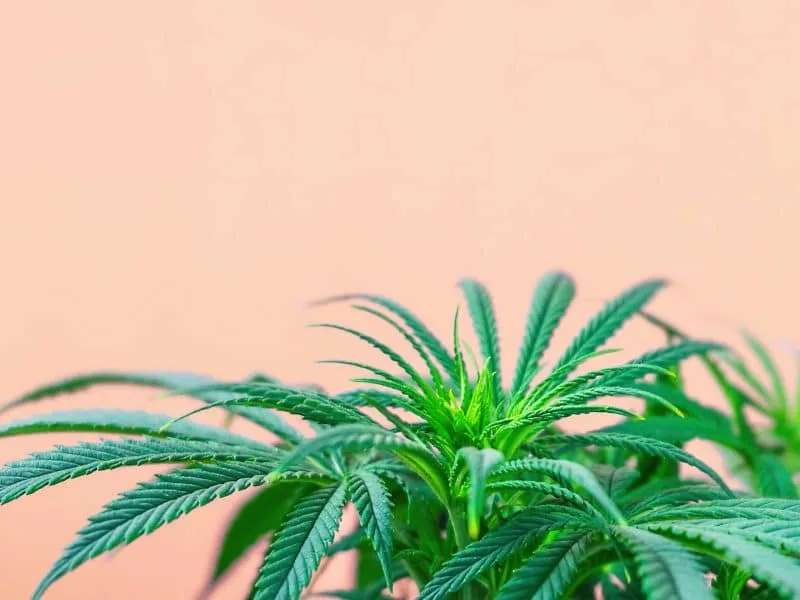
cannabis plant with pink background

Take the Next Step with TeleLeaf

Living with ALS means making countless difficult decisions about your care. Accessing medical cannabis in Minnesota doesn’t have to be one of them. TeleLeaf breaks down barriers to certification. It offers an easy way to explore this legal treatment option.

You can do everything from home. You’ll have secure video consultations with licensed practitioners in Minnesota. They understand ALS and its challenges. If approved, your certification goes straight to the state registry. There’s no extra paperwork or complicated steps.

Book your TeleLeaf consultation today. Learn how Minnesota’s medical cannabis program can enhance your quality of life on this tough journey.

An Asian female doctor sits at her desk, conducting an online consultation. This faster, cheaper
How to Get a Medical Marijuana Card in Minnesota

Minnesota makes it easy for qualified patients to get a medical marijuana card and access trusted cannabis care. With a quick certification and online registration, you can begin using medical cannabis legally and safely.

01
register-with-teleLeaf

Register with TeleLeaf

02
connect-with-doctor-online

Connect with a Doctor Online

03
gain-access

Get Access to Medical Cannabis

Frequently Asked Questions

Yes. Caregivers can assist with the registration process and can be designated as official caregivers who are authorized to purchase medical cannabis on behalf of the patient. This becomes increasingly important as ALS progresses and patients lose the ability to manage these tasks independently.

No. Medical cannabis is not covered by health insurance plans. Patients are responsible for all costs, including practitioner consultation fees and product purchases. However, the lack of insurance coverage doesn’t diminish the value many patients find in symptom relief.

Minnesota does not charge state registration fees for medical cannabis patients. The primary costs are the practitioner consultation fee (typically $100-$400) and the cost of cannabis products themselves, which vary by product type and amount.

Yes. Many hospice and palliative care programs in Minnesota accommodate medical cannabis use as part of comprehensive symptom management. However, policies vary by provider, so it’s important to discuss this with your care team.

Trusted By 30K+ Patients
Patient Testimonials

Average Rating 5/5 See Other Reviews