If you live with depression, you understand the harsh reality of the condition: Depression can be a lead blanket. It can block out light, muffle sound, and make existence feel inescapable.
When you’re mired in darkness, it’s easy to feel like you’re alone. In reality, depression is one of the most common mental health disorders in the world—you’re far from alone. Since it’s so common, depression is well-studied, and healthcare experts have discovered new connections between the endocrine system and depression symptoms.
To that end, medical cannabis is a promising holistic healing tool for people living with depression. Since it can help moderate hormonal balance in the endocrine system, marijuana can help people living with depression unlock recovery.
In this guide, we’re exploring how marijuana can provide an alternative path to healing through proactive and intentional use. TeleLeaf is here to help you pull back the lead blanket and rediscover your authentic self.
Exploring the Complex Nature of Depression
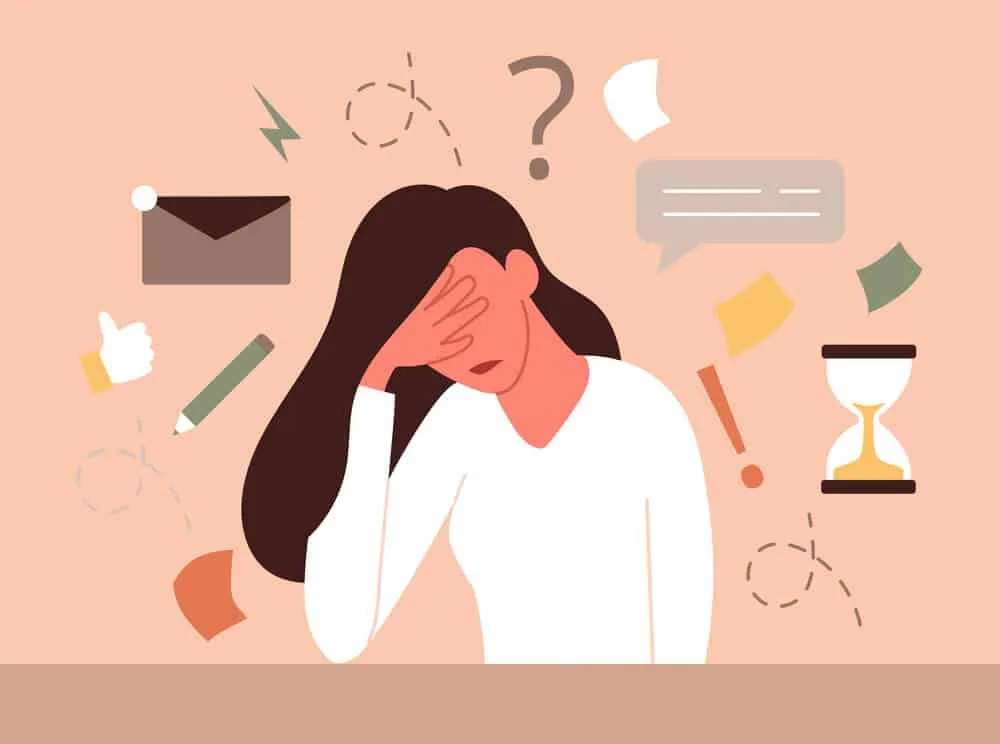
Major depressive disorder can drastically alter your life. You might lose interest in things that once brought joy, or you may feel trapped in sadness and apathy.
Depression manifests differently in everyone, but some of the most common symptoms are:
- Feelings of emptiness, sorrow, or hopelessness
- Irrational outbursts of anger or irritation
- Anxiety, agitation, or restlessness
- Feelings of guilt or worthlessness
If you have depression, you know that it affects more than just your mental health. Physical symptoms aren’t as frequently discussed, but they’re just as impactful. People living with depression often struggle with:
 Unexpected weight changes
- Trouble concentrating or thinking clearly
- Sleep disturbances and insomnia
- Fatigue and a lack of energy
- Headaches, back pain, and other chronic pain
The physical and emotional manifestations of depression can often develop into a feedback loop: when you’re feeling physically unwell, it can impact your mental wellness, and vice versa.
Depression’s Debilitating Effects
Unfortunately, depression symptoms can take a toll on our everyday reality. Even tasks like cooking for yourself can feel like Herculean feats.
Some of the more common effects of depression include:
- Decreased performance and productivity at work or school
- Deteriorating relationships with peers, family, or friends
- Reduced participation within your community
Depression leaves virtually no area of your life untouched. But if you’re desperately seeking relief, you have options.
Current Treatment Options
Modern medicine offers two general treatment options for people living with depression: psychotherapy and pharmaceutical treatments.
Psychotherapy
Many schools of therapy exist, but three are the most referenced by mental health professionals:
- Cognitive behavioral therapy – A goal-oriented form of talk therapy.
- Interpersonal therapy – Attachment-focused and centered on symptomatic recovery.
- Psychodynamic therapy – Focused on the manifestation of unconscious processes in current behavior and problems.
Many therapists use a blended approach when treating patients living with depression or experiment until they find a combination that suits each patient’s unique needs.
But therapy can certainly have limitations. Finding therapists and approaches that work for you can be an expensive and time-consuming process.
Pharmaceuticals
Antidepressants are a popular tool for dealing with depression, but the sheer number of choices can feel overwhelming. A few of the most common classes of drugs are:
- SSRIs – Selective serotonin reuptake inhibitors (SSRIs) are often the first choice for depression and anxiety.
- SNRIs – Serotonin-norepinephrine reuptake inhibitors (SNRIs) are prized for use with anxiety, depression, and chronic pain.
- NDRIs – Norepinephrine and dopamine reuptake inhibitors (NDRIs) are sometimes combined with other antidepressants.
While there are many antidepressant medications on the market, many feature an array of side effects ranging from sexual dysfunction to major appetite changes.
For some people living with depression, the side effects of pharmaceuticals eclipse the treatment benefits.
Ultimately, pharmaceutical options often attempt to treat the symptoms of depression rather than the cause.
The Endocrine System: A Critical Player in Emotional Balance
As we’ve mentioned above, depression isn’t just mental—it’s also physiological. Hormone regulation and mental health are linked, and finding depression relief requires a full-body approach.
The endocrine system is responsible for producing a variety of hormones that can impact our mood, well-being, and physical responses to stimuli:
- Serotonin impacts our mood, our sleep cycles, and our sexual functions.
- Dopamine is a multi-functional hormone that’s highly involved in the brain’s reward and pleasure systems.
- Cortisol is often called the “stress hormone.” It can play a role in our fight or flight modes, impact our sleep health, and more.
- Adrenaline is like cortisol—it helps your body respond to physical stress.
The endocrine system (like other bodily systems) operates in a feedback loop:
- Environmental stimuli, emotional distress, and physical illness can all cause hormone imbalance.
- Hormone imbalance results in new physical and emotional symptoms (in some cases).
- These physical and emotional symptoms impact our ability to maintain hormonal balance.
Turning the tide on this feedback loop can be very challenging. The solution? Zooming out to a holistic view of well-being.
Holistic health looks at the body, mind, and emotional state as one functioning entity, and holistic treatments attempt to improve all of these areas in tandem.
Medical Marijuana: A Holistic Ally in Depression Management
Marijuana has been the subject of negative media attention in the past. In reality, it’s a largely misunderstood tool for holistic healing.
Medical cannabis is particularly helpful for self-reflection. Here’s a glimpse at what intentional marijuana use for depression recovery might look like:
- When you’re feeling the full effects of a depressive episode, you might feel unmotivated, hopeless, or disconnected from yourself or reality. These feelings are often overwhelming—they’re all you can think about.
- Medical marijuana offers your brain the chance to slow down, refocus on the present, and clear the way for more in-depth thought. With the fog of a depressive episode waves away, you might have the mental space to ask yourself questions like:
- “How am I actually feeling right now? My feelings are more complicated than just happy or sad—what words more accurately describe what I’m feeling?”
- “Do I feel these emotions in a specific spot in my body? My head, my chest, somewhere else?”
- “What situations, stimuli, items, or events in my life are connected to these emotions? Why do these triggers make me feel hopeless, down, or directionless?”
- With the space to ask yourself these types of in-depth questions, you can get to the root of your depression symptoms—you can start to unpack yourself, your past, and your feelings. You can recover.
The process above certainly isn’t going to happen after smoking one joint or eating one edible. Recovery takes time. But tools that can clear your mind as effectively as marijuana are hard to find—and many people simply don’t get this effect from pharmaceuticals.
Over time, as we discover the root causes of our mental health issues and start to heal, our bodies will take notice. The environmental, physical, and mental symptoms of depression can start to fade, giving your body (the endocrine system, for instance) the chance to return to stasis, too.
Cannabinoids 101
If you’re considering trying medical marijuana for depression, you’ll need to know about key compounds found in the Cannabis sativa plant called cannabinoids. While there are other minor cannabinoids, the two major cannabinoids are:
 THC – Tetrahydrocannabinol, or THC, is a psychoactive cannabinoid—it produces a high. But the effects of that high can vary from person to person. THC might make you feel peaceful, creative, energetic, sleepy, or motivated. The only way to find out how it affects you is to try it yourself and observe the results.
- CBD – Cannabidiol, or CBD, is a non-psychoactive cannabinoid. CBD doesn’t produce a high, but it can still produce non-intoxicating effects. CBD might make you feel relaxed, focused, or clear-headed—like THC, the effects are different for everyone.
Considerations for Proactive Cannabis Use
Can you get your medical card for depression and anxiety? In some US states, the answer is yes.
Your medical marijuana doctor will help you manage your treatment, but only you can choose to be proactive and intentional with your cannabis use. That might look like:
- Experimenting until you find the right fit – Cannabis offers highly individualized results because there are so many cannabinoid combinations, strains, doses, and administration methods to choose from. Talk to your marijuana doctor and your budtender about which products might be a good match for you.
- Making time for dosing – Marijuana is an excellent partner for self-work. But you won’t accomplish anything without intention. Consider setting aside regular time to take a dose, ask yourself tough questions, and reflect on your answers.
Patient Testimonials: Real Stories of Relief and Recovery
Medical cannabis has the potential to offer a transformative experience. It puts the control back in your hands, allowing you to map out where you want to go and what you want to try.
In the words of TeleLeaf patient Jarrod M., “I highly recommend medical cannabis if you’re looking for pain relief, relief from depression, or want to sleep better or eat better.”
In fact, patients have used marijuana as a tool for:
- Chronic pain – For many people living with depression, chronic pain goes hand in hand. Some find medical marijuana good for easing chronic pain, relieving insomnia, and reducing anxiety and depressive symptoms. Finding the right strain and dosing method may take time, but success can be life-changing.
- Mood regulation – Low moods are inevitable for people living with depression, but many strains of cannabis have mood-elevating components. In a recent article, one mother stated that marijuana increased her compassion and patience when dealing with her kids, making her a better mother.
- Self-work and mindfulness – Consuming marijuana with the intention of healing is crucial. Developing more conscious awareness of your mind-body connection is a critical part of the healing process, and cannabis can help you do just that.
Reach Out With TeleLeaf
Depression is a debilitating disorder that affects every area of your life, and finding a workable treatment can feel like looking for a needle in a haystack—but it doesn’t have to be.
As holistic health gains understanding and traction in the West, it introduces more tools for recovery from disorders like depression. Medical marijuana is a holistic health tool with undeniable benefits.
TeleLeaf is here to help you discover the benefits of medical marijuana. We know what you’re going through, and we know how difficult it is to face the weight of depression and recovery alone.
TeleLeaf will walk beside you as you seek guidance on your healing journey, so you can make an informed approach to your personal healthcare.
We encourage you to reach out to learn more about your medical marijuana treatment options. Together, we can pave the way to a healthier future.
Sources:
National Alliance on Mental Illness. Mental Health By the Numbers.
https://www.nami.org/mhstats
Mayo Clinic. Depression (Major Depressive Disorder)
https://www.mayoclinic.org/diseases-conditions/depression/symptoms-causes/syc-20356007
World Health Organization. Depression.
https://www.who.int/health-topics/depression#tab=tab_2
Centre for Addiction and Mental Health. Antidepressant Medications.
https://www.camh.ca/
Very Well Mind. How Your Endocrine System Affects Your Mental Health.
https://www.verywellmind.com/how-your-endocrine-system-affects-your-mental-health-7506208
The Washington Post. How medical marijuana made me a better mom. https://www.washingtonpost.com/national/health-science/how-medical-marijuana-made-me-a-better-mom/2018/11/16/37f4a28a-dc76-11e8-b732-3c72cbf131f2_story.html






 TeleLeaf
 Unexpected weight changes
 THC – Tetrahydrocannabinol, or THC, is a psychoactive cannabinoid—it produces a high. But the effects of that high can vary from person to person. THC might make you feel peaceful, creative, energetic, sleepy, or motivated. The only way to find out how it affects you is to try it yourself and observe the results.
 Live Chat


