Get Your Medical Marijuana Card Today - Fast & Easy!

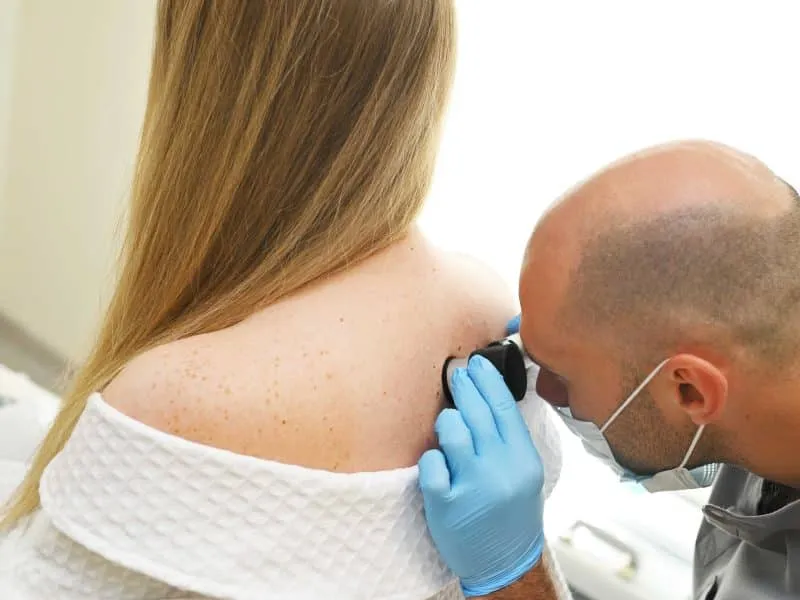
Developing in the melanocytes, the cells in charge of synthesizing melanin (skin pigment), malignant melanoma is a major and dangerous form of skin cancer. Although melanoma can strike any part of the body, it most usually arises in places subjected to UV (sun) or tanning bed radiation.
Melanoma is dangerous because it can spread quickly to other tissues, including the lymph nodes, lungs, liver, and brain.
Since advanced melanoma can be challenging to treat, early detection and therapy are essential.
Standard therapies include surgery, immunotherapy, chemotherapy, radiation therapy, and targeted medication therapy. Although these procedures raise survival rates, they sometimes have terrible side effects like pain, nausea, tiredness, inflammation, and appetite loss.
Many melanoma patients in Louisiana seek alternative therapies like medical marijuana to help manage symptoms, improve quality of life, and support general well-being.

Living with malignant melanoma offers physical, emotional, and lifestyle challenges.
Patients frequently encounter:
Because malignant melanoma spreads rapidly, patients often experience difficult treatment plans that drastically affect their daily lives.
Many look for alternate relief techniques, including medical cannabis, to reduce discomfort and increase their capacity to endure treatment.

Medical marijuana interacts with the body’s endocannabinoid system (ECS), which regulates pain, inflammation, immunological response, and appetite. The cannabinoids THC and CBD may assist melanoma patients in managing symptoms and enhancing overall comfort.
Melanoma patients commonly suffer from persistent discomfort, whether from skin malignancies, surgery, or the adverse effects of chemotherapy and radiation therapy.
Medical marijuana delivers natural pain treatment by interacting with cannabinoid receptors in the neurological system.
THC suppresses pain signals, lowering suffering in people with nerve pain, skin irritation, or deep connective tissue pain from tumors.
CBD has anti-inflammatory qualities, helping to decrease skin irritation and swelling surrounding affected regions.
For patients battling with opioid dependence or severe drug side effects, medical marijuana offers a safer, non-addictive alternative for pain management.
Nausea and vomiting are common adverse effects of chemotherapy and immunotherapy. Many prescription anti-nausea drugs do not provide full relief, leaving patients dehydrated, malnourished, and tired.
THC binds to CB1 receptors in the brain, which reduces nausea and prevents vomiting. Patients who take medical cannabis frequently report an increase in appetite, which helps them maintain optimal nutrition during treatment.
Medical marijuana may help melanoma patients feel better, eat more, and regain energy levels, improving their ability to handle ongoing cancer treatments.

Inflammation is a major issue for melanoma patients, whether from the cancer itself or the body’s response to treatments. According to studies, CBD has high anti-inflammatory properties and may help reduce swelling and irritation in affected skin tissues.
Some studies indicate that cannabis may affect immune system function, perhaps improving how the body responds to cancer treatments. While medical marijuana is not a cure for melanoma, it may play a role in reducing inflammation and improving immune health.
A melanoma diagnosis involves tremendous worry, fear, and emotional suffering. Many patients deal with insomnia and heightened anxiety, making it harder to rest and recover.
CBD provides calming properties, helping to relieve stress and emotional strain. THC increases relaxation and slumber, which helps patients sleep better at night.
Medical cannabis improves melanoma patients’ mental health and sleep quality, making them feel more balanced and prepared for their therapies.

Yes.
Louisiana specifies cancer—including malignant melanoma—as a qualifying condition for medical marijuana. Melanoma patients can legally get a medical marijuana recommendation from a licensed physician.
A medical marijuana doctor reviews a patient’s symptoms, medical history, and therapeutic goals before giving a recommendation.
Once approved, patients can get medical cannabis from state-regulated dispensaries in Louisiana.
Common cannabis products for melanoma patients include:
Melanoma patients should speak with both their oncologist and a medical marijuana doctor to find the optimal cannabis treatment strategy for their specific requirements.

If you’re a hypertension patient in Louisiana and want to explore medical cannabis, follow these steps:
Schedule an appointment with TeleLeaf. Our HIPAA-compliant platform makes sure all information you enter is secure.
A state-licensed doctor evaluates your condition(s), answers your questions, and advises you on treatment—all from the comfort of your home.
If approved, the doctor will send a recommendation to a licensed medical marijuana pharmacy in Louisiana.
You can buy medical cannabis from the following pharmacies in Louisiana:

If you or a loved one is battling malignant melanoma and dealing with pain, nausea, inflammation, or appetite loss, medical marijuana may help.
Take control of your symptom management today. Schedule a consultation with TeleLeaf and learn how medical cannabis can improve your quality of life.

Medical marijuana has been legal in Louisiana for years, but accessing it hasn’t always been easy. However, in 2016, legislators created a comprehensive medical cannabis program, and new bills in 2018 and 2020 expanded it significantly. Today, Louisiana residents experiencing a wide range of chronic and debilitating conditions can find comfort in medicinal cannabis.