If you’re living with chronic pain, you deeply understand how that pain can diffuse into every corner of your life. In fact, in many ways, your pain management journey can be just as difficult as the physical pain itself. Trying new medications, seeing new doctors, or visiting new specialists only to turn up empty-handed is exhausting.
A systematic review published in the journal Cureus analyzed multiple studies on CBD and pain management. The review concluded that CBD could help reduce pain and inflammation in conditions such as arthritis, multiple sclerosis, fibromyalgia, and neuropathic pain.
If you’ve been struggling with pain and pain management systems, it might be time to consider the benefits of medical marijuana. However, we understand having reservations about a psychoactive substance. Luckily, there’s a solution.
CBD-dominant strains can provide pain relief without the psychoactive effects typically associated with marijuana use.
What makes CBD so unique as a pain management cannabinoid? In this guide, we’re offering answers to help pave your way to healing.
CBD vs THC
Two of the most well-known compounds found in marijuana are cannabidiol (CBD) and tetrahydrocannabinol (THC). Though most plants contain a mixture of both (and hundreds of other compounds), modern cultivation and extraction methods allow product manufacturers to carefully curate concentrations of THC and CBD.
Let’s compare these two common cannabinoids:
CBD
CBD, like many other cannabinoids, doesn’t offer psychoactive effects. This makes it a popular choice for treating chronic pain, especially for people looking for an all-natural, plant-based alternative to traditional pharmaceuticals.
Patients using CBD often report benefits like:
- Pain relief – While we’ll explore CBD and chronic pain treatment in more detail below, many patients report that CBD helps decrease everyday discomfort and supports quality of life improvements.
- Mood balance – Many patients living with mental health issues like anxiety and depression use CBD to restore their mind-body connection and stabilize their mood.
- Sleep support – CBD can help patients support a healthy sleep-wake cycle and get more restful sleep.
THC
 THC is perhaps the most well-known cannabinoid found in the Cannabis sativa plant. Many patients incorporate THC as a healing tool, as it can:
- Stimulate appetite
- Reduce nausea
- Support restful sleep
- Impact mood
- Reduce pain
- Help regulate inflammatory responses
But THC is also known for its psychoactive effects. While many patients harness THC’s psychoactive power to intentionally reach their healing goals, others opt for non-intoxicating cannabinoids instead.
How Does CBD Help With Pain Management?
The effectiveness of cannabis (THC and CBD) for pain management is clear: countless patients have discovered long-term relief after incorporating medical marijuana into their treatment plans.
But scientists are still studying exactly how cannabis helps alleviate pain on a physiological level. Current data allows us to make a few clear-cut conclusions about pain relief and cannabis:
- Your body’s endocannabinoid system (ECS) is partly responsible for pain response and other biological functions.
- Our bodies make some cannabinoids on their own (these are called endocannabinoids), and these interact with ECS receptors CB1 and CB2.
- The cannabinoids found in the Cannabis sativa plant (THC and CBD included) closely resemble our endocannabinoids; so, they can bind to CB1 and CB2 receptors in a similar fashion to produce various results.
CBD interacts with the body’s ECS in a manner that relieves pain—that’s the long and short of current scientific conclusions.
But anecdotal evidence supporting CBD’s pain relief efficacy simply can’t be ignored. TeleLeaf patients report that medical cannabis offers life-changing relief:
“The pain I feel on an everyday basis can become overwhelming, but with the help of medical cannabis, I’ve been up, walking, and not so much on edge with the pain. Pain pills made me sick to my stomach, and they had side effects. I’m better off with the edibles.”
-Cynthia B.
“I would highly recommend medical cannabis to anyone living with anxiety or pain daily.”
-Tracie S.
“My pain from my side is gone—I could not find relief until I found medical cannabis.”
-Courtney P.
“Medical marijuana helps me with my daily pain and gets my mind straight.”
-Allen H.
Simply put, medical cannabis formulas (even non-psychoactive, CBD-forward products) offer undeniable chronic pain relief without the side effects of pharmaceuticals.
A Guide to CBD-Dominant Cannabis Strains
Medical cannabis purchased through legal means (at a dispensaries or pharmacy) is highly regulated; package labeling is very accurate.
So, when you’re choosing a strain, look closely for products that are CBD-forward.
Popular low THC and high CBD strains include:
- Harle-Tsu, containing about 20-24% CBD to 1% THC
- Suzy Q, containing about 10% CBD to less than 1% THC
- Ringo’s Gift, with 11-15% CBD to 1% THC
- Cherry Wine, with a range of 15-25% CBD to less than 1% THC
- Elektra, clocking in at 15% CBD and less than 1% THC
If you’re a newcomer to cannabis, conversations about cannabinoid concentrations might seem complex. But the easiest way to find recommendations for CBD-forward strains is to talk to two experts:
- Your medical marijuana doctor – After talking through your symptoms with your provider, ask them for product, strain, and concentration recommendations. They’ll be able to tell you how different cannabinoids might impact your experience.
- Your budtender – The expert behind the counter at your local dispensaries is a resource. Budtenders are knowledgeable about product availability, concentrations, and strains, and they can help you find exactly what you’re looking for.
Dosing Methods
Deciding how to consume medical marijuana can require experimentation as each administration method has unique advantages:
- Smokeables – Smoking is the cannabis community’s most tried and true consumption method. While smoking flower is an option, you might also consider newer methods: vape cartridges and dabs, for instance. While smoking isn’t right for everyone, patients who smoke medical cannabis typically experience effects quickly.
- Edibles – Edibles are a broad category that includes gummies, snacks infused with cannabinoids, oils, tinctures, teas, and more. Edibles are lauded for their precise serving sizes—patients have significant dosing control. But, some patients with food sensitivities may need to use oils to make their own edible treats. Edibles can take slightly longer to take effect than smoking, but their effects are typically longer-lasting than smoking.
- Topicals – Topicals include creams, lotions, or other products you rub into your skin for mild, localized effects. They’re fast-acting and great for targeting specific muscles or joints.
Note that each method may work a little differently depending on your physical health, your needs, and the types of products you use. You also aren’t locked into using just one form of CBD—you can combine these products or keep multiple options on hand to meet specific needs in the moment.
Experimenting can help you find a delivery method that suits you best.
Is CBD Right For You?
 As with every treatment, CBD works well for some, but may not have the same beneficial effects for others. Consider consulting a medical professional before you decide to start using CBD products.
In general, you may want to try CBD if you:
- Have chronic pain
- Have neuropathic pain that you’ve struggled to treat
- Suffer from inflammatory diseases
- Have epilepsy-induced seizures
CBD as a Complementary Treatment
It’s important to note that CBD can also be used as a complement to your existing pain management tools. Talk to your healthcare providers about how CBD could support:
- Physical therapy – If you’re using physical therapy to recover from an injury or physical trauma, CBD could help support your healing goals before and after your sessions.
- Massage, acupuncture, and other modalities – If you’re already using non-traditional methods for pain relief—like massage therapy, acupuncture, or cupping—talk to your practitioners about how CBD might support these treatments.
- Pharmaceutical treatments – Perhaps you’ve been prescribed an opioid or another pain relief medication that’s producing positive results for you. While you should consult with your prescribing physician before adding CBD to your regimen, it could help fill in the gaps where your pharmaceuticals fall short. Combining CBD with other prescriptions might be right for your lifestyle.
Always be sure to talk to your providers about any medications you’re taking for pain relief—marijuana included.
Finding Relief With TeleLeaf
Chronic pain can cast a storm cloud over even the brightest of days. And as patients ourselves, we know what the seemingly endless journey to treatment can feel like—especially in a medical landscape that’s only just starting to recognize the clinical significance of chronic pain.
This is why TeleLeaf is dedicated to helping people find the relief they deserve with medical marijuana. We’ve experienced the life-changing impacts of CBD, THC, and other cannabinoids firsthand, and we want to empower people to take advantage of these novel treatments.
TeleLeaf is here to walk with you as you forge a new path to pain relief. If you have questions about CBD or want to start your medical cannabis journey, reach out to our expert providers. We’re here to help you heal.
Sources:
Forbes Health. CBD vs. THC: How Do They Differ? https://www.forbes.com/
Healthline. 6 Benefits of CBD Oil—And a Look at Side Effects. https://www.healthline.com/nutrition/cbd-oil-benefits
Medical News Today. Does CBD oil work for chronic pain management? https://www.medicalnewstoday.com/articles/319475
Greatist. Anxious? Achy? Existential? These 15 High-CBD, Low-THC Cannabis Strains May Bring Relief. https://greatist.com/health/high-cbd-low-thc
Consumer Reports. How to Safely Use CBD: Should You Inhale, Spray, Apply, or Eat It? https://www.consumerreports.org/cbd/how-to-use-cbd-inhale-spray-apply-eat/






 TeleLeaf
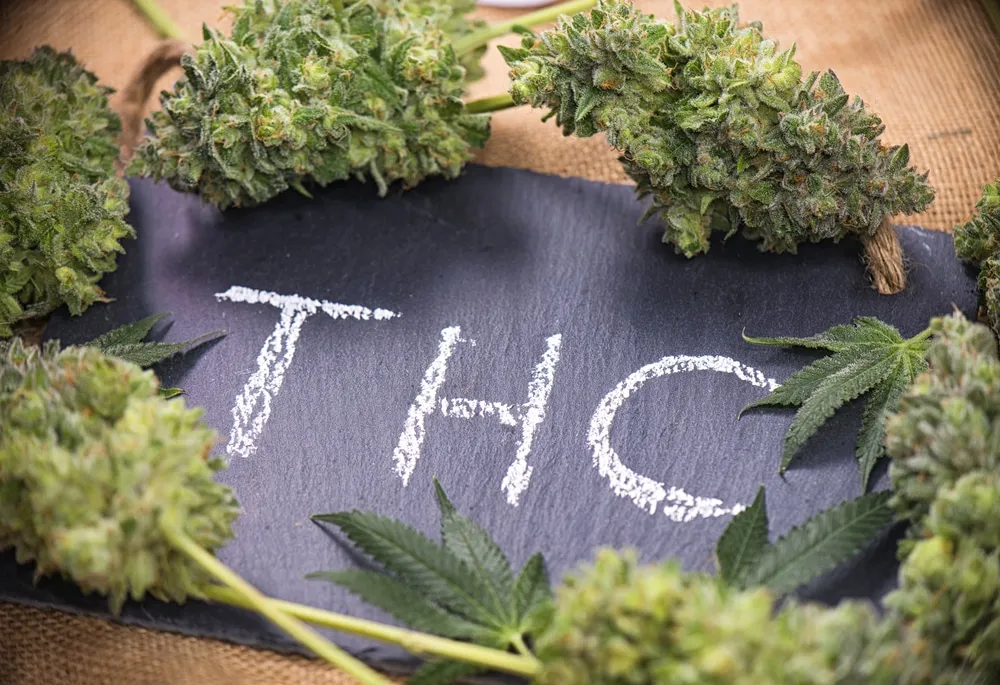 THC is perhaps the most well-known cannabinoid found in the Cannabis sativa plant. Many patients incorporate THC as a healing tool, as it can:
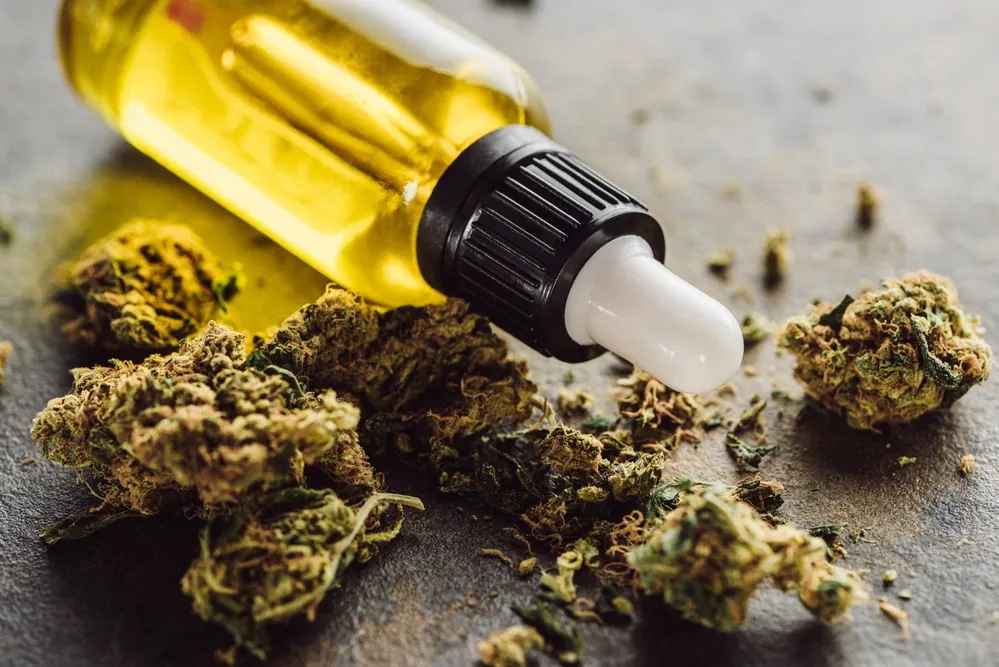 As with every treatment, CBD works well for some, but may not have the same beneficial effects for others. Consider consulting a medical professional before you decide to start using CBD products.
 Live Chat


