- Unless it’s combined with edible products (like baked goods, oils, and tinctures), marijuana doesn’t have any calories. But that doesn’t mean that cannabis isn’t useful for dietary health management.
- If you’re looking to boost your calorie intake with cannabis, consider munchie-friendly strains like Limoncello and Funyunz.
- If you’re interested in limiting the appetite-boosting effects of marijuana, you might opt for strains like Durban Poison and Jack Herer.
If you’re using medical marijuana for back pain, sleep support, or any other concern, you might wonder how it impacts your dietary health. Namely, does weed have calories?
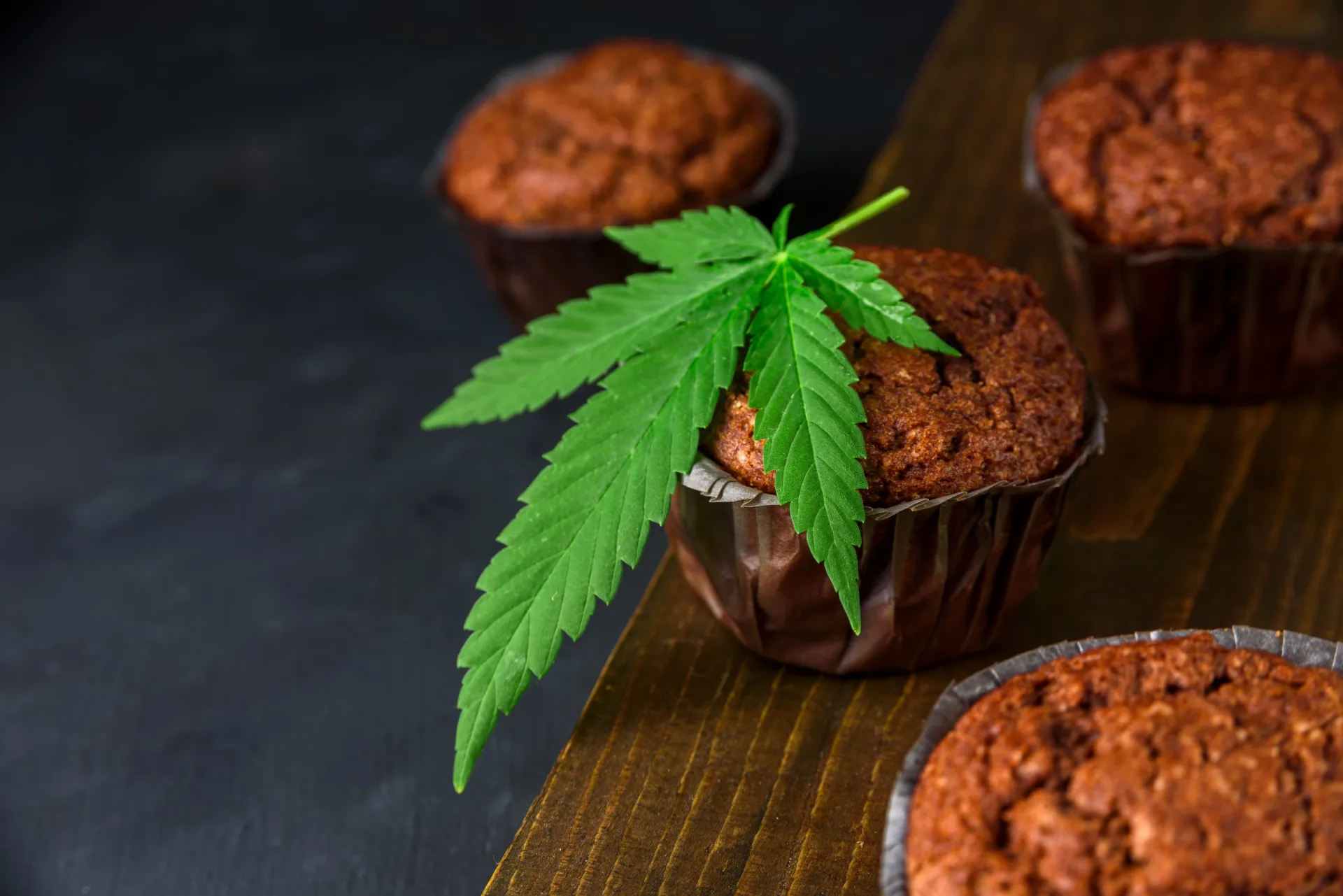
Weed is Zero-Calorie—Unless You’re Using Edibles. While the raw cannabis flower itself contains calories due to its macronutrient composition—including proteins, fats, and carbohydrates—the more common methods of consumption, such as smoking and vaping, bypass caloric intake altogether.
While some applications (like smoking, vaping, and using topicals) are calorie-free, this isn’t true for all administration methods. If you use edibles, for instance, your products will contain caloric content.
This doesn’t mean that using cannabis edibles will thwart your weight loss plans or that zero-calorie applications won’t help boost your appetite. In this guide, we’re examining everything you need to know about using cannabis for dietary support.
We’ll break down some specifics of the calorie conversation, describe some common dietary applications for cannabis, demystify the munchies, and help you find strains and healthy habits that work for your lifestyle.
Weed is Zero-Calorie—Unless You’re Using Edibles
 Cannabis flower itself contains calories because it contains all three macronutrients humans need: protein, fats, and carbohydrates. While different strains and products have different nutritional contents, you would consume calories if you ate raw cannabis flowers.
But this isn’t a common administration method—there are more effective (and pleasant) ways to reap the benefits of cannabis.
Three methods that don’t result in any calorie intake include:
- Smoking
- Vaping
- Using topical products
Since you’re not consuming any macronutrients in any of these methods, you won’t take in any calories. However, consuming cannabis edibles will incur a calorie gain because edibles feature nutrient-dense ingredients.
Let’s break down three common types of edible/drinkable products that have calories:
- Baked goods and candies: Since ingredients like flour, sugar, and oil have calories, these cannabis edible products will, too.
- Oils: Some patients use drops of an oil-based cannabis extraction in beverages or cooking; many simply place a few drops under their tongue. Since these extractions are oil-based, and oils contain fats, these products have calories, though they may be negligibly low, depending on the product and dose.
- Tinctures: While oils are fat-based extractions, tinctures are alcohol-based extractions (like vanilla or almond extracts used in baking). Since alcohol molecules contain calories, using tinctures will introduce calories to your body (though, again, calorie counts may be low).
Meeting Your Dietary Goals with Cannabis: Common Clinical Applications
Speaking of the dietary implications of marijuana, it’s worth mentioning that many patients actually use cannabis to reach their dietary goals or treat nutrition-related health issues.
Since cannabis can both induce appetite and decrease nausea, it’s an excellent tool for people:
- Enduring chemotherapy, radiation, and other cancer treatments
- Recovering from certain surgeries
- Taking appetite-suppression medications for diabetes management
For these (and other) patients, boosting appetite and managing nausea are key to maintaining healthy nutrition and overall quality of life.
Let’s consider type 2 diabetes medications like GLP-1 agonists, for instance: Ozempic (semaglutide), Mounjaro (tirzepatide), and Trulicity (dulaglutide). These drugs are designed to help people reverse insulin resistance, lower blood sugar, and lose weight—in part by decreasing overall appetite and thirst.
However, patients using these drugs for type 2 diabetes treatment often run into two roadblocks:
- Side effects: The most common side effect associated with GLP-1 agonist drugs is nausea, which can prevent patients from tolerating the drug—and managing their health condition.
- Malnutrition and dehydration: Since these drugs suppress appetite and thirst (and nausea can further deter patients from eating), some patients find that they’re not getting the vitamins, nutrients, and water content they need to thrive.
In cases like these, medical cannabis is an excellent supplementary treatment: it can both limit nausea (helping patients tolerate their prescriptions) and boost appetite in some cases (encouraging patients to eat enough to maintain healthy nutrition).
Demystifying the Munchies
But what if you don’t struggle with nausea or malnutrition? What if you’re trying to limit your calorie intake instead? While cannabis can induce appetite, not every strain will give you the munchies.
When talking about the munchies, there are two key concepts to understand:
- Each strain has a unique cannabinoid profile. Since different strains (i.e., subtypes) of the Cannabis sativa plant contain different compound profiles, each produces a unique effect for users. This means not every strain produces an appetite-boosting effect.
- Everyone responds to cannabis differently. Each strain of cannabis is unique, and so is each user. While there are certainly common responses to specific strains, everyone is liable to respond differently to a strain. So, a strain that makes a fellow user hungry might not induce the same response in you.
Ultimately, no matter what your goal is, you can likely find the ideal strain for you.
Strains for Boosting Appetite
First, let’s dive into some strains that can induce appetite.
Our favorites include:
- Limoncello
- Funyunz
- Marshmallow OG
- White Runtz
- Key Lime Pie
However, it’s worth repeating that you may not respond to these strains the way most people do. You may have to experiment to find the strain that boosts appetite or reduces nausea in a way that helps you meet your goals.
When you’re looking to experiment, your cannabis pharmacy’s budtenders and your medical marijuana doctor will be key resources for you. And if you’re looking for open-minded providers who can help you customize your treatment journey, TeleLeaf is here to help.
Strains Sans Munchies
For patients looking to treat their health concerns without impacting their calorie intake, there are many strains that won’t induce the munchies, like:
- Durban Poison
- Blue Dream
- CBD Lemon Auto
- Girl Scout Cookies
- Solomatic Auto CBD
- Jack Herer
Again, you might need to experiment and consult with cannabis pros (your medical marijuana provider and your budtender) to find the strain that produces the best possible results for you.
Lifestyle Support for Dietary Goals
In addition to your choice of strain, you can also tailor your lifestyle and dosing experience to support your nutritional goals. After all, healthcare requires a multi-dimensional approach.
If you’re looking to boost your appetite and increase your calorie intake:
- Keep calorie-dense foods on hand: High-calorie snacks like potato chips, baked goods, deli meats, and pasta dishes can all help you meet your macronutrient goals. Try to keep them in the house to prepare for a bout of munchies.
- Optimize dosing time: If you’re looking to eat dinner with family or friends each night to maintain nutritional normalcy, you’ll need to refine your dosing time. Experimenting and documentation are key to refining your routine.
- Drink plenty of water: Dry mouth is a common side effect of cannabis, and it might prevent you from eating. There’s a simple way to combat this: keep plenty of water at the ready to whet your palate once the effects kick in.
For cannabis patients trying to limit their calorie intake, consider:
- Keeping healthy snacks on hand: As mentioned above, it’ll likely take some time to find the right strain for you. In the meantime, you can prepare for accidental munchies sessions by keeping healthy snacks at the ready: frozen blueberries, crisp salads, and popsicles are all diet-friendly fan favorites.
- Dosing before bed: Depending on your health needs, it might make sense to time your dose so that effects kick in once you’re already prepared for bed—when it’s simply inconvenient to head back to the kitchen.
Meet Your Health Goals with Medical Cannabis
Whether you’re looking to use medical cannabis for dietary support or you’re trying to avoid the munchies during treatment, rest assured that there’s a product on the market just for you. But keep in mind that experimentation is key when it comes to unlocking your perfect dose, method, strain, and schedule.
When you need support on your medical cannabis journey, turn to TeleLeaf: the best online medical marijuana card service provider on the market today. We’re more than a network of cannabis-informed healthcare providers who can recommend medical marijuana and help you get your medical card—we’re also a community of patients and experts who want to help you find the relief you deserve.
Ready to start your journey to plant-based healing? Make an appointment with TeleLeaf today.
Sources:
Green State. Does Weed Have Calories? The Answer is Hazy
https://www.greenstate.com/explained/does-weed-have-calories/
CRx Magazine. The Nutritional Value of Raw Cannabis — What Research Indicates and What Clinicians Need to Know
https://www.crxmag.com/issues/2020/spring/the-nutritional-value-of-raw-cannabis.shtml
National Library of Medicine. Glucagon-Like Peptide Receptor 1 Agonists
https://www.ncbi.nlm.nih.gov/books/NBK551568/
Westword. Six Cannabis Strains That Bring the Munchies
https://www.westword.com/marijuana/marijuanas-strains-hunger-appetite-munchies-12806917/
Herbies. Strains That Don’t Make You Hungry
https://herbiesheadshop.com/






 Dr. Chance Miller
 Cannabis flower itself contains calories because it contains all three
 Since cannabis can both induce appetite and decrease nausea, it’s an excellent tool for people:
 Live Chat


