TL;DR: Can you get a medical card for diabetes? In some states, yes. While marijuana isn’t a cure for type 2 diabetes, it can help people living with this condition foster a more healthy lifestyle.
If you’re living with Type 2 Diabetes, you might be curious: Can you get a medical card for diabetes?
In some states, patients can pursue a medical marijuana recommendation for quality of life support while living with type 2 Diabetes. While medical cannabis isn’t a replacement for type 2 diabetes medications, it can help patients curb the side effects of some drugs, support exercise recovery, and improve sleep.
In this guide, we’re exploring everything patients need to know about using medical cannabis for type 2 diabetes, including typical treatments and considerations for using marijuana in combination with other therapeutic tools.
What Is Type 2 Diabetes?
A staggering 10% of Americans live with diabetes, and the vast majority of these patients specifically live with type 2 diabetes—somewhere between 90-95%. Patients living with diabetes struggle with insulin and blood sugar regulation:
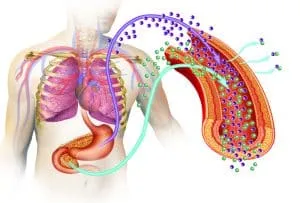
- The pancreas makes insulin, a hormone that helps your cells accept sugars from your blood. Cells use these sugars to produce energy for a wide variety of functions.
- For people living with type 2 diabetes, cells don’t respond normally to insulin. This means cells don’t accept blood sugars for cellular energy production.
- To force cells to accept sugars, the pancreas makes even more insulin. Once blood sugar reaches a certain level, the pancreas can’t keep up with the elevated insulin demand, and blood sugar continues to rise.
High blood sugar can cause other health conditions like heart disease, vision challenges, and kidney disease.
What Causes Type 2 Diabetes?
While health researchers largely attribute type 2 diabetes development to obesity and lack of physical activity, there’s still much that experts don’t know about the condition.
Not to mention that obesity and lack of physical activity often don’t exist in a vacuum: people recovering from a traumatic experience, working to treat other health conditions, or struggling financially can experience dietary and lifestyle changes that contribute to their body composition and exercise regimens.
Luckily, there are treatment options available for people living with type 2 diabetes.
How Is Type 2 Diabetes Typically Treated?
Generally speaking, there are three major avenues patients and providers typically take when treating type 2 diabetes:
- Prescription medications – While there are a variety of medications designed to support people living with type 2 diabetes, you’ve likely heard of some of the latest additions to the prescription drug market for diabetics: GLP-1 agonist drugs like Ozempic (semaglutide), Mounjaro (tirzepatide), and Trulicity (dulaglutide). These drugs generally support rapid weight loss and blood sugar management, and they’re only increasing in popularity for people living with type 2 diabetes.
- Dietary changes – Many providers recommend that people living with type 2 diabetes take steps to lose weight via dietary changes. Dietary adjustments can vary widely based on your specific presentation of diabetes, your existing lifestyle, and limitations.
- Exercise – In addition to dietary adjustments, providers often recommend exercise for people living with type 2 diabetes. Exercise can support cardiovascular health and overall wellness for anyone, but diabetics are at a slightly higher risk for heart complications. As a result, exercise is one of physicians’ first-line recommendations for people living with type 2 diabetes.
Medical Cannabis and Type 2 Diabetes: What Patients Should Know
 If you’re already working through one of the treatment methods listed above, you might be curious about adding medical cannabis to your regimen. Let’s break down how medical marijuana can support people living with type 2 diabetes.
Supporting Wellness Goals in Combination with Prescription Medications
Many medications prescribed to treat type 2 diabetes feature a laundry list of side effects. For GLP-1 agonist drugs in particular, one of the most common side effects is nausea.
Nausea is also one of the key reasons why patients stop taking GLP-1 drugs or keep their doses as low as possible—as a result, the treatment process (i.e., pharmaceutically-supported weight loss) can be slow.
A wide variety of patients use medical cannabis to prevent or treat nausea (including people undergoing treatment for various types of cancers). By combining GLP-1 drugs with medical cannabis, patients may be able to quell nausea-related side effects and optimize their prescription medication treatment.
While you should talk to your doctor about any medications you’re taking in combination with both GLP-1 drugs and medical cannabis, the combination certainly shows promise for people living with type 2 diabetes.
Pursuing a Healthy Diet and Nutrition Plan with Medical Cannabis
You’ve likely heard a common half-truth about marjuana: it causes “the munchies.” Wouldn’t this appetite-inducing effect be counterproductive for people with type 2 diabetes who are trying to lose weight?
 While a penchant for snacking certainly isn’t unheard of for people using medical cannabis, not every strain of cannabis will stimulate your appetite. In fact, people using some prescription treatments for type 2 diabetes (GLP-1 agonist drugs, for instance), can actually use this effect to their advantage:
- GLP-1 agonist drugs like Ozempic primarily reduce appetite—they decrease feelings of hunger and thirst, helping people lose weight by avoiding cravings commonly experienced during dieting.
- As a result, people taking these drugs often feel little to no desire to eat or drink—at high doses, this can cause patients to skip meals, which can lead to malnutrition.
- To prevent negative health outcomes associated with undereating, people taking these drugs could combine their prescription treatment with medical cannabis to induce appetite: a tactic that, with healthy snacks on hand, could help them achieve their dietary goals without incurring nutrient deficiency.
GLP-1 drugs aren’t the only drugs that impact appetite. A wide variety of prescription medications (from stimulants to antidepressants) can impact feelings of hunger and thirst. So, people living with type 2 diabetes who are trying to balance weight loss with healthy nutrition could discover a happy medium by adding medical cannabis to their treatment regimens.
Exercise Recovery with Medical Cannabis
Exercise is one of the most common recommendations providers offer people living with type 2 diabetes for two reasons:
- Exercise can help patients burn calories in support of weight loss goals
- Exercise supports cardiovascular health, a critical factor for people living with both types of diabetes.
While media portrayals of cannabis might give you the impression that weed makes you lethargic, many patients use marijuana to support an active lifestyle. How?
- Exercise recovery – Intense exercise (both cardio and weight training) can cause delayed onset muscle soreness (DOMS). This soreness (which can be quite painful) can discourage people from working out, especially in the early days of their new fitness routine. Medical cannabis helps patients combat chronic pain, and even topical solutions (like CBD-infused lotions and ointments) can help patients treat sore areas and recover more quickly.
- Low-intensity exercise support – Patients have been combining medical cannabis with low-intensity fitness activities (like yoga and stretching) with positive results for years. Sativa strains and CBD-forward products in particular—which can boost energy, engagement, and creativity—can help people struggling to exercise by giving them a mood boost.
Sleep Support
In addition to recovery and motivation for exercise, medical marijuana can also support one of the most important lifestyle factors for people trying a new prescription, diet, or exercise regimen for the first time: healthy sleep.
Patients report that medical marijuana helps them achieve:
- More restful sleep
- Faster sleep onset
- An easier time sleeping through the night without waking
Patients looking to support their sleep with cannabis will need to time their dosing carefully and experiment to find a strain, dose, and administration method that works best for their sleep schedule. However, quality sleep is critical for people living with any illness—type 2 diabetes included.
TeleLeaf Connects Patients with All-Natural Medical Solutions
While medical cannabis can’t cure or prevent type 2 diabetes, it can help patients tolerate prescription treatments, dietary changes, and exercise recommendations from their healthcare providers. Simply put, medical marijuana can provide ample wellness and quality of life support for people working through type 2 diabetes treatment.
When you’re ready to learn more about medical cannabis or seek a recommendation from a qualified provider, reach out to the TeleLeaf team. Our expert providers can talk through your symptoms and goals to help you establish a realistic treatment plan—all from the comfort of your home.
Ready to schedule an appointment? Get in touch with us to get started.
Sources:
US Centers for Disease Control and Prevention. Type 2 Diabetes. https://www.cdc.gov/
Mayo Clinic. Type 2 Diabetes. https://www.mayoclinic.org/diseases-conditions/type-2-diabetes/symptoms-causes/syc-20351193
Cleveland Clinic. GLP-1 Agonists. https://my.clevelandclinic.org/
US Centers for Disease Control and Prevention. Diabetes and Your Heart. https://www.cdc.gov/
UC Davis. Ozempic for Weight Loss: Does It Work and What Experts Recommend. https://health.ucdavis.edu/blog/cultivating-health/ozempic-for-weight-loss-does-it-work-and-what-do-experts-recommend/2023/07
Healthline. What is Delayed Onset Muscle Soreness (DOMS) and What Can You Do About It?. https://www.healthline.com/health/doms






 TeleLeaf
 If you’re already working through one of the treatment methods listed above, you might be curious about adding medical cannabis to your regimen. Let’s break down how medical marijuana can support people living with type 2 diabetes.
 While a penchant for snacking certainly isn’t unheard of for people using medical cannabis, not every strain of cannabis will stimulate your appetite. In fact, people using some prescription treatments for type 2 diabetes (GLP-1 agonist drugs, for instance), can actually use this effect to their advantage:
 Live Chat


