-
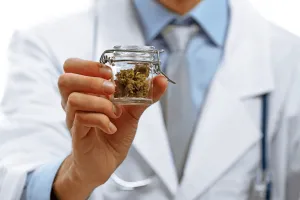
- Cannabis for multiple sclerosis is a strong option for pain and symptom management, with strains like Harlequin, Sour Tsunami, and One to One having noted positive effects for people in the MS community.
-
- You can apply for your medical card and see for yourself the ways that it can alter the impact of MS on your life.
Multiple sclerosis (MS) is a lifelong journey that can make life itself seem tough to manage. It’s even harder when you feel like you’re going through it alone.
At TeleLeaf, we understand what it’s like to try to manage daily life through the pain, exhaustion, and difficulties that a chronic illness can bring. Most importantly, we know the importance of holding onto hope and finding community in the face of it all.
That’s why we’re advocates for the responsible use of medical marijuana as a powerful healing tool, and today, we’ll walk you through the ways that marijuana can help you manage MS.
Understanding Multiple Sclerosis and the Body
Multiple sclerosis is a disease of the central nervous system that affects the brain and spinal cord. The body’s own immune system attacks the myelin sheath protecting nerve fibers, leading to communication problems between your brain and body. Eventually, the nerves may suffer from permanent damage or deterioration.
The manifestation of MS depends on several factors, including the location of nerve fiber damage and its severity.
MS has three primary types of manifestation.
- Relapse-remitting – The majority of people with MS experience this manifestation. It involves periods of relapse or new symptom development that can often last for days or weeks before improving partially or completely. A period of remission follows that can last for months or even years.
- Secondary-progressive – Unfortunately, 20-40% of people experiencing relapse-remitting MS may eventually progress to secondary-progressive within 10 to 20 years. Steady progression of symptoms begins with or without remission periods.
- Primary-progressive – This is the gradual onset and progression of symptoms at a steady rate with no remission periods.
Though there’s currently no cure for MS, it’s possible to manage the symptoms, modify the disease’s course, and help speed up recovery from attacks.
Effects on the Body
Many of the most disruptive symptoms of MS are physical. These symptoms can include:
- Numbness or weakness in the limbs, typically just on one side of the body at a time
- Electric-like shocks with neck movements, especially when bending the head down
- An unsteady gait
- Lack of coordination
- Pain with eye movement or loss of vision, often in one eye at a time
- Double or blurry vision
- Fatigue
- Slurred speech
- Problems with the bowels or bladder
These effects can greatly alter a person’s life from what it might have looked like before the onset of MS, and symptoms aren’t limited to the physical.
Effects on the Brain
MS and its progression can also change your emotions and mental state. This can look like mood disturbances and cognitive problems.
Unfortunately, it’s not uncommon for people living with MS to battle with depression and anxiety, as well. These mental health challenges often present due to stress as a person adapts to life with MS.
Manifestation of both physical and mental symptoms changes from person to person. One patient may end up unable to move or ambulate, while another might have long periods of remission where their MS seems to stagnate with no new symptoms.
Cannabis as a Healing Tool Throughout the Years
Cannabis has been used for years as a tool for healing. People have used it since around 2700 BC as a versatile herbal medicine, though the plant itself has been around for roughly 12,000 years.
 Historically speaking, cannabis was used to:
- Anesthetize patients
- Aid with pain during childbirth
- Dress wounds
- Help with gastrointestinal pain
- Support recovery from tetanus and gangrene after amputations
Countries and cultures all over the globe saw its use and were quick to capitalize on it, all the way through the late 1800s. So, what happened to change the greater populace’s opinion of cannabis so quickly?
Unfortunately, moral crusades and panic lie at the root of the demonization of cannabis. In 1925, an international treaty designed to control opium trade added marijuana at the last minute. In 1961, the United Nations Single Convention on Narcotic Drugs tightened laws even further.
A final blow from the UN Convention on Psychotropic Substances made it so that only authorized people in supervised laboratories could carry out any testing or studies on marijuana. This is why, to this day, it’s hard to find research-backed data on the health benefits of marijuana.
Fortunately, people are returning to this undervalued healing tool and realizing the true benefits that marijuana can provide. And TeleLeaf is here to help make it even easier for you. We work to connect you with medical professionals who can set you on the path to an approved medical marijuana card, opening a whole new world of wellness possibilities.
How Cannabis Can Help With Multiple Sclerosis
MS is one of many health issues with anecdotal evidence of success in pain management with cannabis. However, cannabis, like any medicine, affects people differently. The effects can also change depending on what strain you use and the concentrations of different cannabinoids in your product.
The following effects are considered most common when using cannabis to treat MS:
- Reduction of physical pain with particular efficiency concerning neurological pain
- The calming of anxiety and anxious feelings, including physical symptoms of anxiety
- Help with depression and related symptoms
- Support for deeper and more restful sleep
Even the National Multiple Sclerosis Society takes a positive stance on the use of cannabis for multiple sclerosis, encouraging patients to talk openly to their doctors about whether medical marijuana may help with their pain and symptom management.
Best Strains for Multiple Sclerosis
Each strain of marijuana contains a mix of compounds, with tetrahydrocannabinol (THC) and cannabidiol (CBD) serving as common points of focus.
You may need to do some experimenting to find the strain that works best for you, but here are a few to start with:
- Harlequin – This strain has fairly balanced THC and CBD levels. It can help manage muscle spasticity, inflammation, and pain.
- Sour Tsunami – Similarly to Harlequin, the balanced properties of Sour Tsunami offer relief from pain caused by inflammation.
- One to One – This hybridized strain is aptly named for its balance between THC and CBD, and encourages a positive mood and relaxation that may combat the negative effects of MS.
In general, balanced strains with relatively equal amounts of THC and CBD seem to have the strongest effect on MS symptoms. Blue Blood, Dieseltonic, and Strawberry Milkshake are also among these strains.
Of course, always remember to talk to a doctor about potential interactions between medical marijuana and pharmaceutical drugs before starting cannabis for multiple sclerosis to ensure you don’t run into any unwanted side effects.
Take a Proactive Stance On Healthcare with TeleLeaf
Going through life with a chronic condition like multiple sclerosis poses many hurdles that you might struggle with. Fortunately, the ups and downs are easier to manage with a full health toolkit and a proactive, supportive community.
At TeleLeaf, we believe that the patient is the textbook. Our licensed medical providers are here to help you plot your own healing journey, using cannabis to pave the way toward a brighter, healthier future. You can also reach out to the community to learn from others.
If you’re interested in getting a doctor’s recommendation for your medical marijuana card, reach out to TeleLeaf. With our help, you can quickly get connected with a medical professional and unlock the healing potential of medical marijuana.
Sources:
Johns Hopkins. Multiple Sclerosis.
https://www.hopkinsmedicine.org/health/conditions-and-diseases/multiple-sclerosis-ms
Mayo Clinic. Multiple Sclerosis.
https://www.mayoclinic.org/diseases-conditions/multiple-sclerosis/symptoms-causes/
National Multiple Sclerosis Society. Medical Marijuana (Cannabis) FAQs.
https://www.nationalmssociety.org/
Nature. A potted history.
https://www.nature.com/articles/525S10a






 TeleLeaf
 Historically speaking, cannabis was used to:
 Live Chat


