Apply for your Card Today!
Image
Featured In and Trusted By

Disclaimer: This content is educational only. Always discuss treatment options with your clinician. Do not drive or perform safety-sensitive tasks while impaired. Use medical cannabis only as permitted by Arkansas law. If you’re experiencing a mental health crisis, contact local emergency services or a trusted crisis resource immediately.


Living with PTSD means managing symptoms that can affect sleep, mood, and daily functioning.

PTSD affects people in different ways, but there are common symptom patterns that many Arkansas patients experience. Understanding these symptoms helps explain where medical cannabis might potentially offer support.

commando soldier holding a machine gun

PTSD Symptoms

Intrusive Memories and Flashbacks

What happens: Distressing memories, images, or sensations can appear suddenly. These intrusions often connect to specific triggers and can feel overwhelming when they occur.

Daily impact: Can disrupt work, relationships, and daily activities, making it difficult to feel safe or present in the moment.

Hyperarousal and Reactivity

What happens: Your body may feel constantly “on alert,” leading to an exaggerated startle response, difficulty relaxing, irritability, and persistent vigilance for potential threats.

Daily impact: This state of heightened alertness can be exhausting and make it hard to feel calm or comfortable in everyday situations.

Sleep Problems and Nightmares

What happens: Many people with PTSD have trouble falling asleep, staying asleep, or experience trauma-related dreams that cause restless, unrefreshing sleep.

Daily impact: Poor sleep affects mood, concentration, and physical health, creating a cycle where sleep problems worsen other PTSD symptoms.

Avoidance and Mood Changes

What happens: You might find yourself pulling back from people, places, or activities that remind you of traumatic experiences. This can come with anxiety, low mood, or feelings of guilt and shame.

Daily impact: Avoidance can limit your daily activities and social connections, affecting work, relationships, and overall quality of life.

Physical Symptoms

What happens: PTSD often includes physical symptoms like muscle tension, headaches, and chronic pain that can worsen distress and interfere with sleep.

Daily impact: These physical symptoms add another layer of discomfort that can make other PTSD symptoms feel more intense.

man sleeping on bed

How Cannabis May Help with PTSD Symptoms

Different people respond to medical cannabis in different ways.

Symptom Area What Patients Often Report How It Might Work Potential Risks Questions for Your Doctor
Sleep Problems & Nightmares Longer periods of sleep; fewer awakenings during the night Cannabis may have calming effects that help with both falling asleep and staying asleep Morning grogginess; difficulty concentrating the next day; tolerance development over time “How could timing affect my mornings and driving safety?”
Hyperarousal & Reactivity Feeling calmer overall; less intense startle responses Cannabis may help dampen the brain circuits involved in heightened alertness Some people experience increased anxiety with THC; effects can vary by environment “Have I had anxious reactions to THC before?”
Anxiety & Negative Mood Easier time winding down; less rumination and repetitive thoughts CBD may work on anxiety pathways; THC may affect mood-related brain chemicals Anxiety can sometimes get worse; memory and attention may be affected “How does this fit with my current medications or therapy schedule?”
Physical Pain & Tension Less interference from pain during sleep and daily tasks Cannabis may work on both central and peripheral pain pathways Increased drowsiness when combined with pain medications; cognitive effects “Which drug interactions should we monitor?”
Intrusive Memories Mixed results—some report less intensity, others no change May generally dampen emotional responses Being impaired might make some people more vulnerable to distressing thoughts “Should I take time away from trauma-processing therapy sessions?”
Cannabis-and-PTSD-TeleLeaf

Different Ways to Use Medical Cannabis

Arkansas dispensaries offer several forms of medical cannabis.

Each works differently in your body and may fit different needs:

Tinctures, Sprays, and Lozenges (Oral-Mucosal)

How it works: You hold the product in your mouth before swallowing, allowing some absorption through mouth tissues.

Timing: Effects typically begin within 15-60 minutes and last 3-6 hours.

Best for: Evening wind-down routines; steadier sleep support without needing to inhale anything.

Consider: Products may have a strong taste; mouth dryness is possible; the swallowed portion takes longer to work.

Capsules and Edibles (Oral)

How it works: You swallow the product, and it’s processed through your digestive system and liver.

Timing: Effects typically begin within 45-180 minutes and last 6-8 hours or longer.

Best for: All-night symptom coverage; predictable daily routines.

Consider: Effects are delayed and can be strong; next-day drowsiness is possible; never combine with alcohol or other sedatives.

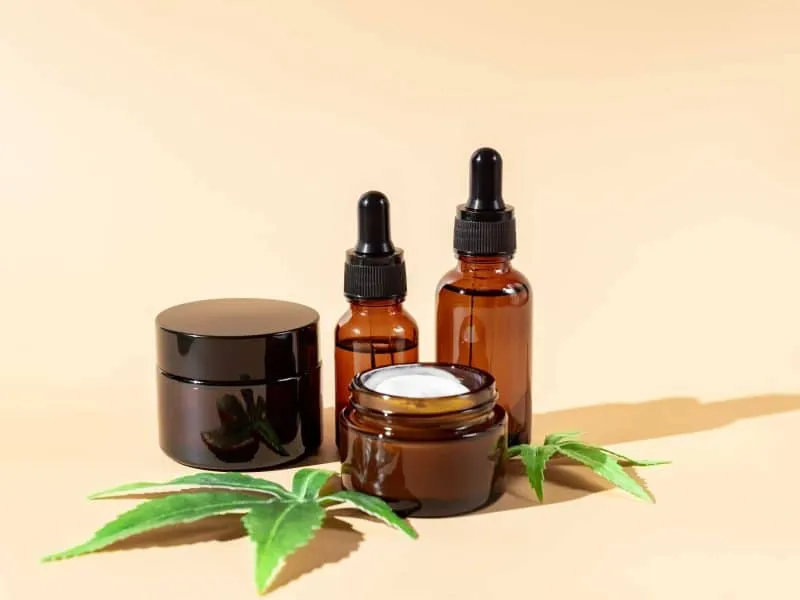
cannabis cosmetics products

Vaporization (Inhaled)

How it works: You inhale vapor containing cannabis compounds, which enter your bloodstream through your lungs.

Timing: Effects begin within minutes and typically last 1-3 hours.

Best for: Some patients use this for rapid relief during acute episodes of hyperarousal.

Consider: Effects happen quickly and can be intense; some people experience increased anxiety; airway irritation is possible; plan timing carefully around driving and work.

Topical Products

How it works: Applied directly to skin for localized effects with minimal whole-body impact.

Best for: Addressing muscle tension or localized pain; not typically used for core PTSD symptoms.

Have your symptom log and medication list ready? Consider booking a visit to review potential benefits and risks with your healthcare provider.

woman with asthma inhaler in gym

Important Safety Considerations

Impairment and Daily Function: Cannabis can affect your attention, reaction time, and judgment for several hours. Never drive or operate machinery during this time, even if you feel “fine.” Effects can linger beyond when you notice them.

Medication Interactions: Cannabis can increase drowsiness when combined with medications like benzodiazepines, sleep aids, or pain medications. CBD can also affect how your body processes certain antidepressants and other medications.

Tolerance Development: Effects may change over time with regular use. Keep track of what you notice and discuss patterns with your clinician.

Talking with your healthcare provider

Prepare for productive conversations with these discussion points:

About your treatment goals:

  • “My top two symptom targets are [sleep/hyperarousal/anxiety/pain]—what’s realistic to expect in my case?”
  • “How should I track benefits and side effects over the next 2-4 weeks?”

About medication safety:

  • “How might cannabis interact with my SSRI, prazosin, benzodiazepine, or sleep medications?”
  • “Given my personal or family substance use history, what safety measures make sense?”

About practical planning:

  • “What timing would let me avoid being impaired for driving or work?”
  • “If I’m in trauma-focused therapy, how should I time cannabis use relative to those sessions?”
woman taking medications

Creating a Supportive Environment

Setting up your space:

  • Use cannabis in a quiet, familiar environment during the initial effects
  • Reduce overstimulation from loud sounds, bright lights, or crowded spaces
  • Have comfort items nearby (soft blankets, calming music, water)

Tracking your experience:

  • Sleep hours and quality
  • Number of nighttime awakenings or nightmares
  • Episodes of hyperarousal or panic
  • Next-day alertness and functioning
  • Any anxiety episodes related to cannabis use

Safety planning:

  • Store all cannabis products in child-resistant containers, locked away from children and pets
  • Keep products clearly labeled and separate from regular food or alcohol
  • Establish neutral “check-in” phrases with trusted people to assess impairment without judgment

Grounding techniques: If you feel overwhelmed, try paced breathing, counting objects around you, focusing on different textures, staying hydrated, and using soft lighting.

girl enjoys a fresh air in the nature

How to Register for an Arkansas Medical Marijuana Card

  • Register with TeleLeaf
  • Connect with a doctor online
  • Connect with one of our licensed doctors to receive your legal recommendation.
  • Register online with the Arkansas State Medical Marijuana System Medical Marijuana Program. Please note you will need your completed physician-written certification from the doctor to complete this step in the process.
  • Print a copy of your card. Patients who apply online can print a copy of their cards after their applications are reviewed and approved.
  • A physical card will be mailed automatically to you once your application has been approved. Processing time is up to 14 days from the date we receive your application and payment.
  • Access medicine at any of the licensed state dispensaries using your card. A full list of Arkansas dispensaries can be found here.

What Research Shows

Current evidence: Early studies and patient reports show cannabis may help with sleep problems and hyperarousal symptoms. Effects on intrusive memories and flashbacks are less consistent and more variable.

Individual differences: Results vary based on the route of administration, timing, product composition, and individual brain chemistry.

How to Register for an Arkansas Medical Marijuana Card

Preparation Checklist

Symptom tracking (1-2 weeks before your appointment):

  • Bedtime and how long it takes to fall asleep
  • Number of nighttime awakenings and nightmares
  • Episodes of hyperarousal or startle responses
  • Next-day alertness and energy levels

Medication inventory:

  • All antidepressants, prazosin, benzodiazepines, sleep aids, pain medications
  • Alcohol use patterns
  • Any supplements or over-the-counter medications

Treatment goals:

  • Rank your top two desired outcomes (for example: “4+ hours of uninterrupted sleep” or “fewer panic episodes”)

Safety planning:

  • Identify times when you cannot be impaired (driving, work, childcare)
  • Plan secure storage for cannabis products
  • Choose someone to check in with about your experiences

Appointment preparation:

  • Select 3-4 questions from the healthcare provider discussion points above
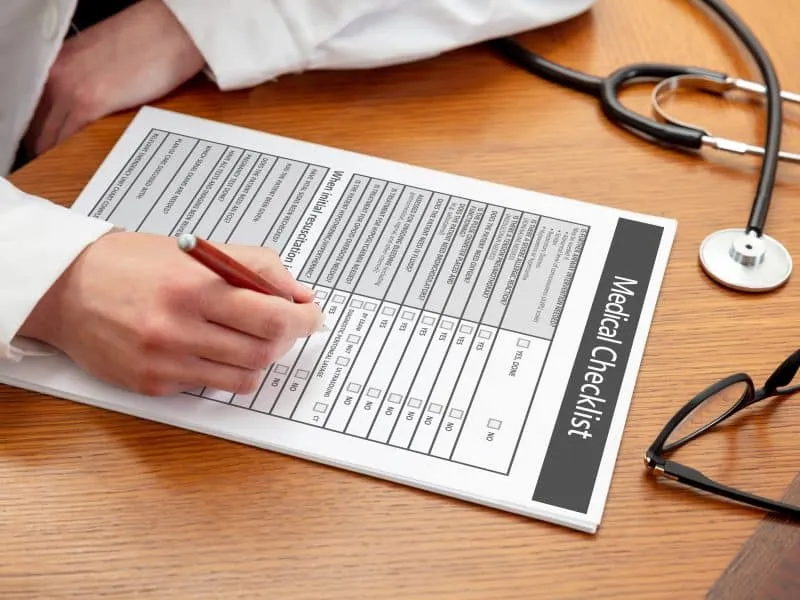
Medical checklist. Woman doctor holding a pen, close up view, wooden office table background. Female hand filling in the document, copy space

Frequently Asked Questions

Can medical cannabis replace therapy or psychiatric medications for PTSD?

Medical cannabis should not replace evidence-based PTSD treatments like therapy or medications without consulting your doctor. It may help with certain symptoms like sleep problems or hyperarousal, but established treatments remain important for comprehensive PTSD care.

Will cannabis stop my nightmares?

Some Arkansas patients report fewer nighttime awakenings and disturbances. But responses differ on patients. Keep track of your sleep patterns and discuss changes with your clinician.

Is vaping better than edibles for PTSD symptoms?

Different methods serve different purposes. Inhaled cannabis works faster but wears off quicker, while oral products work slower but last longer. The best choice depends on your specific needs and daily schedule, not a universal “better” option.

Can I drive if I feel okay?

No. Driving while impaired by cannabis is both unsafe and illegal in Arkansas. Effects can continue beyond when you feel them, and reaction times may be slower than normal. Plan your timing to avoid any vehicle or machinery operation.

Silhouette of girl sitting alone, concept of lonely, sad, alone and scared. High quality photo

What if cannabis makes me feel more anxious?

Stop use immediately, move to a calm environment, and use grounding techniques like deep breathing or focusing on your surroundings. Discuss this reaction with your healthcare provider. They may suggest different timing or routes or whether cannabis isn’t a good fit for you.

How does cannabis work with prazosin or sleep medications?

These combinations can cause excessive drowsiness and other interactions. Always coordinate with your prescriber and carefully monitor your morning alertness and daily functioning.

Is cannabis legal for PTSD in Arkansas?

PTSD qualifies as a condition under the Arkansas Medical Marijuana Program. You must be registered with the state and purchase from licensed dispensaries while following all state regulations.


Next Steps

If medical cannabis seems like it might fit into your PTSD treatment plan, the next step is a thorough discussion with healthcare providers who understand both trauma treatment and medical cannabis applications.

Talk to us at TeleLeaf to know more about how medical marijuana can help with managing your PTSD symptoms. Call (504) 264-3123.

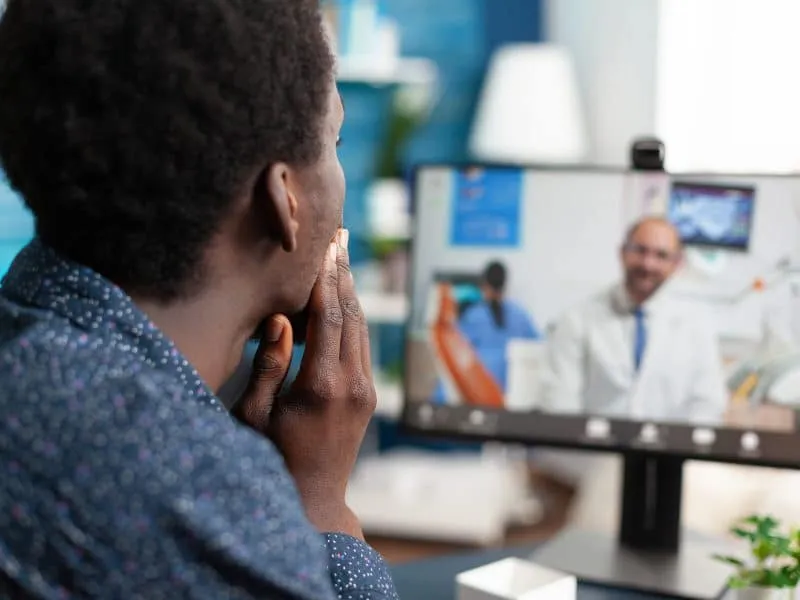
Online healthcare checkup of african american guy talking with family doctor using internet app sitting at home. Black man doing telemedicine consultation for patient prescription treatment
How to Get Medical Marijuana Card in Arkansas

Getting a medical marijuana card in Arkansas is a straightforward process for eligible patients. You’ll need a certification from a licensed physician confirming your qualifying condition, then submit your application and fee to the Arkansas Department of Health to receive your card.

01
register-with-teleLeaf

Register with TeleLeaf

02
connect-with-doctor-online

Connect with a Doctor Online

03
gain-access

Get Access to Medical Cannabis

Trusted By 30K+ Patients
Patient Testimonials

Average Rating 5/5 See Other Reviews