Apply for your Card Today!
Image
Featured In and Trusted By

How Medical Marijuana Provides Relief for Peripheral Neuropathy Patients in Arkansas

DISCLAIMER: This guide is provided for educational and informational purposes only and is not intended as medical advice, diagnosis, or treatment. Consult your doctor before starting any new treatment, including medicinal marijuana. Results vary, and medical marijuana may not be right for everyone.


Living with peripheral neuropathy can be challenging, affecting your ability to sleep, work, and enjoy daily activities. If you’re an Arkansas patient dealing with nerve pain, burning sensations, tingling, or numbness, you’re not alone. There may be a promising treatment option available to you through the Arkansas Medical Marijuana Program.

This comprehensive guide explores how medical marijuana (MMJ) can help manage neuropathic pain and improve your quality of life, and provides clear steps for accessing this treatment in Arkansas.

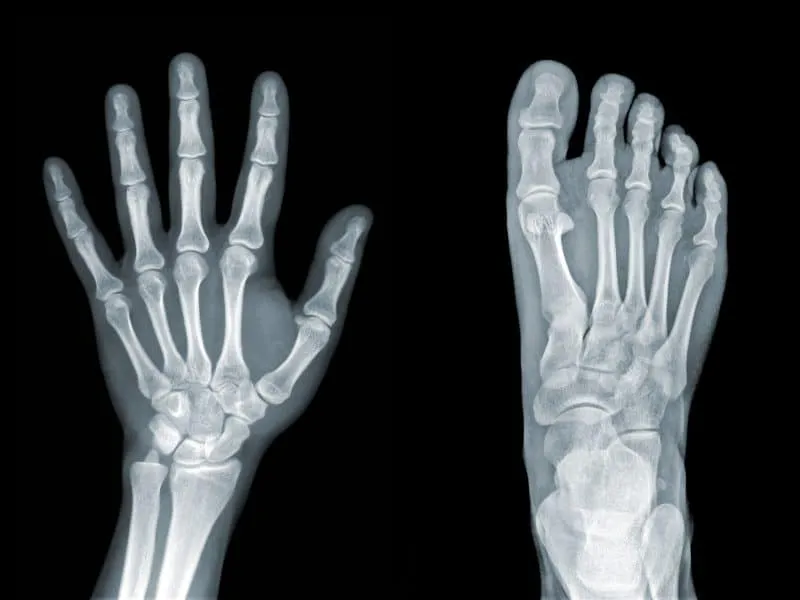
X-ray of hand and foot on black background

Understanding Peripheral Neuropathy and Its Impact

Peripheral neuropathy occurs when nerves outside the brain and spinal cord become damaged, dysfunctional, or injured.

This condition affects millions of Americans and can result from various causes including diabetes, chemotherapy treatments, injuries, infections, and autoimmune diseases.

Common symptoms include:

  • Burning, stabbing, or shooting pain
  • Tingling and numbness in hands and feet
  • Sensitivity to touch
  • Muscle weakness
  • Poor sleep quality due to nighttime pain
  • Difficulty with coordination and balance

These symptoms might make it hard to walk, work, or do simple things like get out of bed. A lot of people with peripheral neuropathy have trouble sleeping, moving around, and having a good quality of life.

Traditional treatments and the need for alternatives

Some patients do get better with traditional medicines like gabapentin, pregabalin, and topical pain relievers, but many discover that these drugs don’t work as well as they should or have side effects they don’t want.

When standard therapies don’t work well enough to control symptoms, it’s time to look into other possibilities. Medical marijuana is a new strategy to treat neuropathic pain that research is showing may work in ways that work well with or improve established treatments.

Wooden man with back pain. Medical concept.

How Medical Marijuana Can Help Peripheral Neuropathy Patients

Recent clinical studies indicate that medical marijuana may help ease peripheral neuropathy symptoms.
A 2024 study published in the Journal of Hand Surgery examined 14 randomized controlled studies with more than 600 individuals suffering from peripheral neuropathy.

The results were promising: 79% of trials reported statistically significant reductions in neuropathic pain scores after cannabis treatment, with an average pain reduction of 0.67 points on a 0-10 scale compared to placebo.

Several studies also found that secondary outcomes like sleep quality, anxiety, sensory testing, and quality of life got better.

Researchers determined that cannabis-derived medications may be efficacious in alleviating the pain and discomfort associated with peripheral neuropathy.

How THC works to reduce neuropathic pain

Tetrahydrocannabinol (THC) is one of the main active cannabinoids in medicinal marijuana. Studies have shown that it can help neuropathy patients feel better.

THC primarily works by interacting with CB1 receptors, which are predominantly expressed in the central nervous system including the brain and nerves.

When THC activates these CB1 receptors, it can:

  • Alter pain signal transmission to reduce pain perception
  • Provide analgesic (pain-relieving) effects
  • Help improve sleep quality disrupted by nighttime pain
  • Support mood regulation

Clinical studies have found that patients using cannabis with higher THC concentrations reported less pain and better sleep.

Green hemp leaf on marble background. Top view, copy space. Close up of cannabis leaf.

How CBD supports nerve health and reduces inflammation

Cannabidiol (CBD) is another important cannabinoid found in medical marijuana. Unlike THC, CBD doesn’t produce psychoactive effects, but it offers its own therapeutic benefits. CBD primarily works through CB2 receptors, which are found mostly outside the central nervous system, particularly in immune cells and peripheral tissues.

CBD’s benefits for neuropathy include:

  • Supporting overall nerve health
  • Helping reduce inflammation that contributes to nerve damage
  • Working through pain pathways to provide relief
  • Supporting the body’s natural healing processes

A clinical trial conducted in 2025 and published in Medical Cannabis and Cannabinoids revealed that a transdermal cannabis formulation comprising THC, CBD, and CBN exhibited statistically significant reductions in neuropathic pain scores across all measured aspects.

How to Register for an Arkansas Medical Marijuana Card

  • Register with TeleLeaf
  • Connect with a doctor online
  • Connect with one of our licensed doctors to receive your legal recommendation.
  • Register online with the Arkansas State Medical Marijuana System Medical Marijuana Program. Please note you will need your completed physician-written certification from the doctor to complete this step in the process.
  • Print a copy of your card. Patients who apply online can print a copy of their cards after their applications are reviewed and approved. 
  • A physical card will be mailed automatically to you once your application has been approved. Processing time is up to 14 days from the date we receive your application and payment.
  • Access medicine at any of the licensed state dispensaries using your card. A full list of Arkansas dispensaries can be found here.
-man-gathering-required-documents-

Which Forms of Medical Marijuana are Best for Peripheral Neuropathy?

Arkansas dispensaries sell medical marijuana in many forms, and each one has its own benefits for easing neuropathic pain. 

Tinctures and oromucosal sprays for quick relief

Tinctures are liquid cannabis extracts that you put under your tongue, and oromucosal sprays send cannabinoids through the mucous membranes in your mouth. 

  • Quick absorption (usually between 15 and 45 minutes)
  • Exact control over dose
  • Simple to use and not obvious
  • No need to breathe it in
  • Lasting effects for four to six hours

Clinical research have showed that oromucosal THC and THC:CBD combos worked better than a placebo to relieve different types of neuropathic pain. These forms are great for daytime use when you need pain medication that doesn’t get in the way of what you’re doing.

Capsules and food for long-lasting comfort

Capsules and edibles are types of medical marijuana that you can take by mouth. These forms of marijuana are broken down by your digestive system. They take longer to work, but they last longer.

  • Effects that last the longest (6 to 8 hours or more)
  • Consistent and predictable dosing
  • No smell or taste
  • Great for helping you sleep at night
  • Discreet

Researchers have found that oral versions of dronabinol and nabilone worked better than a placebo to relieve pain in people with diabetes-related neuropathy and other neuropathic disorders. Capsules are beneficial if you have pain at night that keeps you from sleeping.

elderly-woman-using-tinctures-and-liquid-cannabis-

Topicals for pain alleviation in one area

You can use cannabis-infused creams, balms, and lotions right on the places that hurt. Studies have indicated that applying CBD to the skin can help with the focused pain that comes with peripheral neuropathy.

  • Direct application to regions that hurt
  • Localized relief without systemic consequences
  • Can be used with other types
  • Good for hands, feet, and some painful areas

When used with other types of medical marijuana, topicals are a great way to treat all of your symptoms.

Ways to get quick relief by breathing in

Vaporized flower quickly relieve the symptoms of neuropathy. Clinical research on inhaled cannabis indicated that patients experienced much reduced pain and improved sleep, with benefits starting within minutes.

  • Quickest start (within minutes)
  • You can stop when you feel better because the dose is flexible.
  • Effects remain for two to four hours.
  • Good for discomfort that comes and goes

Note: People under 21 in Arkansas are not allowed to smoke cannabis in herbal forms, and adults are not allowed to smoke cannabis around pregnant women or children under 14.

Picking the Best Type for You

  • Tinctures or sprays during the day to help with functional discomfort
  • Capsules at night for long-lasting comfort while you sleep
  • Topicals for discomfort in the hands or feet that is only in one place
  • Inhalation as needed for breakthrough pain
woman-applying-cannabis-infused-creams--balms--and

Getting Started With Medical Marijuana For Peripheral Neuropathy

The first step is connecting with a physician who understands both peripheral neuropathy and medical marijuana treatment. TeleLeaf makes this easy with our patient-focused approach and expertise in Arkansas’s medical marijuana program.

Call us at (504) 264-3123 today to get started. 

Start your journey with TeleLeaf today

Get your Arkansas medical marijuana card:

📞 Call TeleLeaf: Contact us to schedule your consultation or if you have any questions

🌐 Visit: www.teleleaf.com to learn more and book your appointment online

Girl Enjoying Freedom Outdoors Concept
How to Get Medical Marijuana Card in Arkansas

Getting a medical marijuana card in Arkansas is a straightforward process for eligible patients. You’ll need a certification from a licensed physician confirming your qualifying condition, then submit your application and fee to the Arkansas Department of Health to receive your card.

01
register-with-teleLeaf

Register with TeleLeaf

02
connect-with-doctor-online

Connect with a Doctor Online

03

Get Access to Medical Cannabis

Trusted By 30K+ Patients
Patient Testimonials

Average Rating 5/5 See Other Reviews