Apply for your Card Today!
Image
Featured In and Trusted By

Arkansas Medical Marijuana: Relief for Muscle Spasms

DISCLAIMER: This guide is provided for educational and informational purposes only and is not intended as medical advice, diagnosis, or treatment. Consult your doctor before starting any new treatment, including medicinal marijuana. Results vary, and medical marijuana may not be right for everyone.


Living with severe and persistent muscle spasms can profoundly impact your quality of life. These involuntary muscle contractions can range from mildly uncomfortable to completely debilitating. It affects your ability to work, sleep, and enjoy everyday activities.

Affirmative meditation practice, energizing Muladhara or root chakra for vitality, stability and security.

Overview: Severe and Persistent Muscle Spasms

What causes muscle spasms?

Muscle spasms happen when muscles contract on their own and don’t release. It’s normal to get muscular cramps from time to time, and they’re usually not dangerous. But severe and long-lasting muscle spasms are a more serious condition that needs medical attention.

Chronic muscular spasms can be caused by a number of underlying conditions:

  • Multiple sclerosis (MS), cerebral palsy, spinal cord injuries, and amyotrophic lateral sclerosis (ALS).
  • Fibromyalgia, chronic pain syndromes, and structural issues with the spine or joints.
  • Deficiencies in electrolytes like magnesium, potassium, or calcium.
  • Herniated discs, nerve injuries, or conditions like sciatica.
  • Arthritis and other inflammatory disorders

Symptoms and health effects

Severe muscle spasms can show up in a number of ways that might make it hard to do everyday things:

  • Sudden, painful muscle contractions that can last from seconds to several minutes
  • Persistent muscle tightness or stiffness that doesn’t respond to stretching
  • Visible twitching or rippling under the skin
  • Limited range of motion and difficulty performing routine tasks
  • Sleep disruption due to nighttime spasms
  • Chronic fatigue from constant muscle tension
  • Anxiety and stress related to unpredictable spasm episodes

Living with muscle spasms all the time has more than just physical effects. A lot of people have less mobility, less independence, trouble keeping a job, and overall worse health.

Finding appropriate treatment is important not only for relieving symptoms but also for keeping a good quality of life.

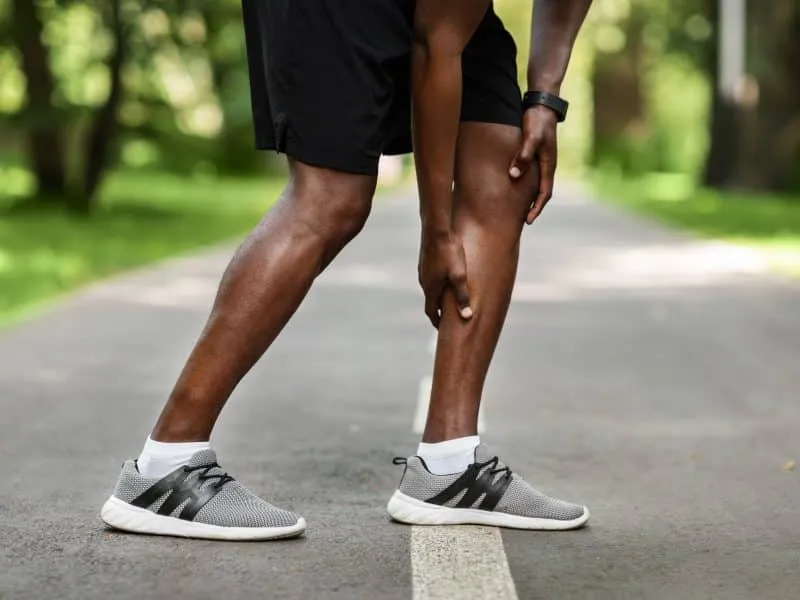
Sport injuries concept. African sportsman massaging leg, feeling pain after running by park, cropped, empty space

Traditional Treatment for Muscle Spasms

First-line conventional treatments

  • Muscle relaxants: Baclofen, tizanidine, and cyclobenzaprine are some of the most frequent drugs used to ease muscle tension and spasms. They change the way nerve impulses work in muscles or change the action of neurotransmitters in the brain and spinal cord.
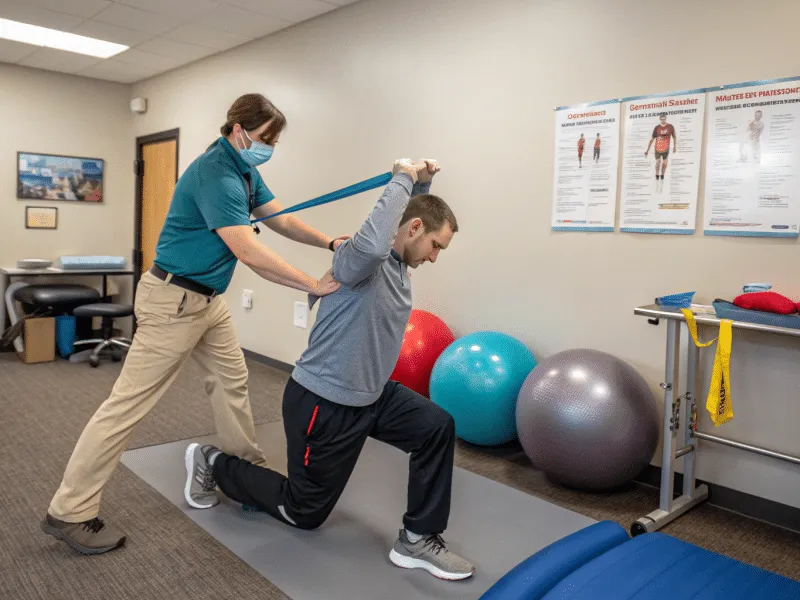
  • Physical treatment: Specific exercises, stretching regimens, and manual therapy techniques can help you become more flexible,  which make your supporting muscles stronger, and cut down on the number of spasms you have. Physical therapists make personalized plans that take into account each person’s demands and limits.
  • Heat and cold therapy: Using heat can assist relax tight muscles and promote blood flow. Cold therapy can help reduce swelling and numb sharp discomfort. 

Additional medical interventions

  • Antispasmodic medications made to stop or lessen muscle spasms may be added to the treatment plan.
  • Botulinum toxin (Botox) injections can temporarily paralyze muscles that are too active, which can help with localized spasms for up to three months at a time.
  • Anesthetic injections near certain nerves can stop pain signals from getting to the brain and ease muscular spasms in certain locations.
  • Surgical procedures in extreme circumstances, intrathecal baclofen pump implantation or selective dorsal rhizotomy may be used to treat spasticity that won’t go away.

These traditional treatments work for a lot of patients, but not all of them. Some only get some relief, have problems with other medications, or have side effects that make their lives worse.

physical-treatment--specific-exercises--stretching

Complementary and Alternative Treatments

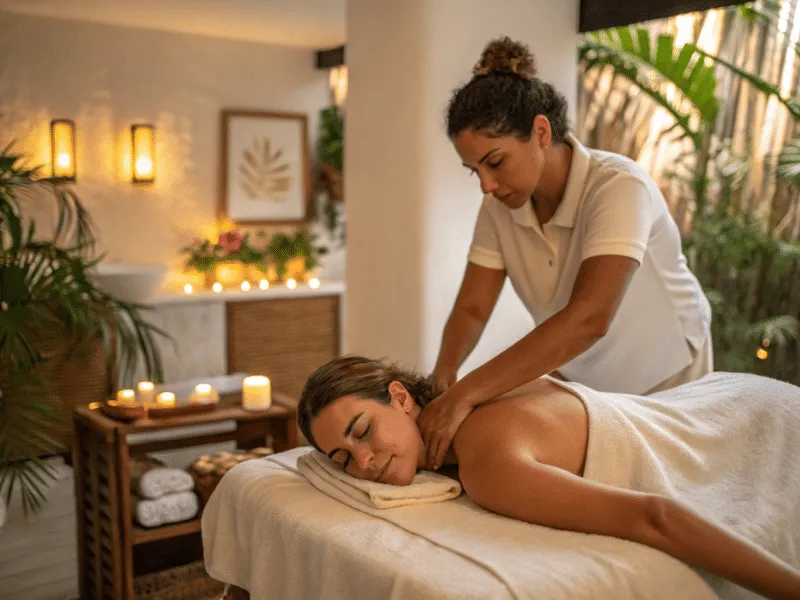
  • Massage therapy can help you relax, ease muscle tension, and enhance circulation. Regular sessions may help spasms happen less often and with less force.
  • Studies about acupuncture have indicated that it may help lessen muscle stiffness in some neurological disorders.
  • Gentle stretching, breathing exercises, and meditation can help you deal with stress, become more aware of your body, and relax your muscles, which can help prevent spasms.
  • Getting enough magnesium, calcium, and potassium, as well as being hydrated, will help stop muscle spasms that happen when your metabolism is too high.
  • Adjusting the spine and moving the joints may help with muscle spasms caused by misaligned bones or compressed nerves.

These complimentary methods function best when they are part of a whole treatment plan that you make with your healthcare specialists.

massage-therapy-can-help-you-relax--ease-muscle-te

How Medical Marijuana May Help Severe and Persistent Muscle Spasms

Cannabis may help ease muscle spasms and spasticity, especially for patients who haven’t found relief with traditional medications. Cannabinoids are a group of chemicals that are found in the plant. The two most investigated for medical use are tetrahydrocannabinol (THC) and cannabidiol (CBD).

The endocannabinoid system (ECS) in the human body is important for controlling many bodily functions, including as muscular movement, pain perception, and inflammation. There are cannabinoid receptors in muscles, nerves, and the brain that are part of this system.

Cannabinoids from marijuana seem to work with these receptors, which could help relax muscles, lessen pain signals, and change how nerves work.
Several mechanisms may contribute to cannabis’s muscle-relaxing properties:

  • Reducing nerve excitability: Cannabinoids may help calm overactive nerve signals that trigger involuntary muscle contractions.
  • Anti-inflammatory effects: By reducing inflammation around nerves and muscles, cannabis may help decrease the factors contributing to spasm development.
  • Pain modulation: Cannabis’s analgesic properties can help break the cycle of pain leading to muscle tension, which in turn causes more pain.
  • Promoting relaxation: The calming effects of certain cannabis compounds may help reduce stress and anxiety that can exacerbate muscle tension.

Numerous research have investigated cannabis as a treatment for muscle spasticity, especially in patients with multiple sclerosis.

A systematic evaluation from 2010 that was published in the Canadian Medical Association Journal concluded that cannabis may help with spasticity symptoms.

A 2018 study in Frontiers in Neurology also showed that people with MS who received cannabis-based therapy had big improvements in their muscle spasticity ratings.

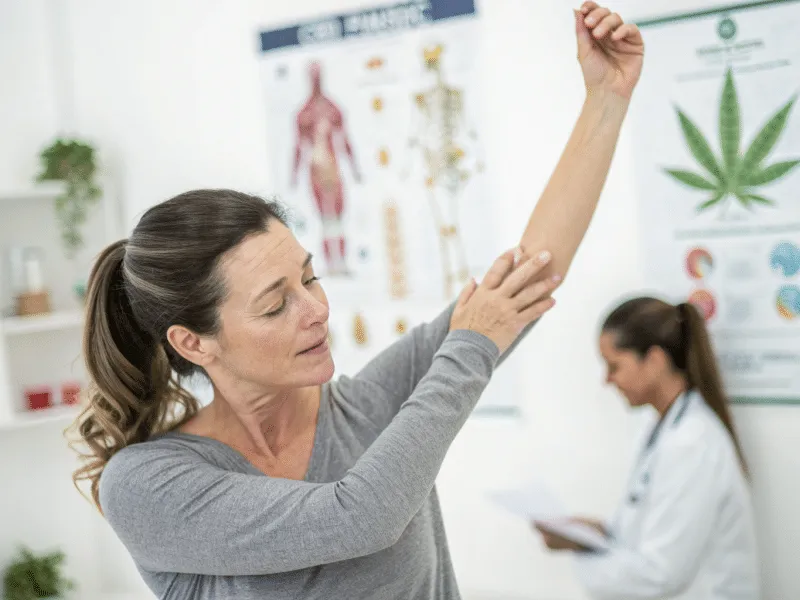
woman-showing-effect-of-cannabis-may-help-ease-mus

Methods of using medical marijuana for muscle spasms

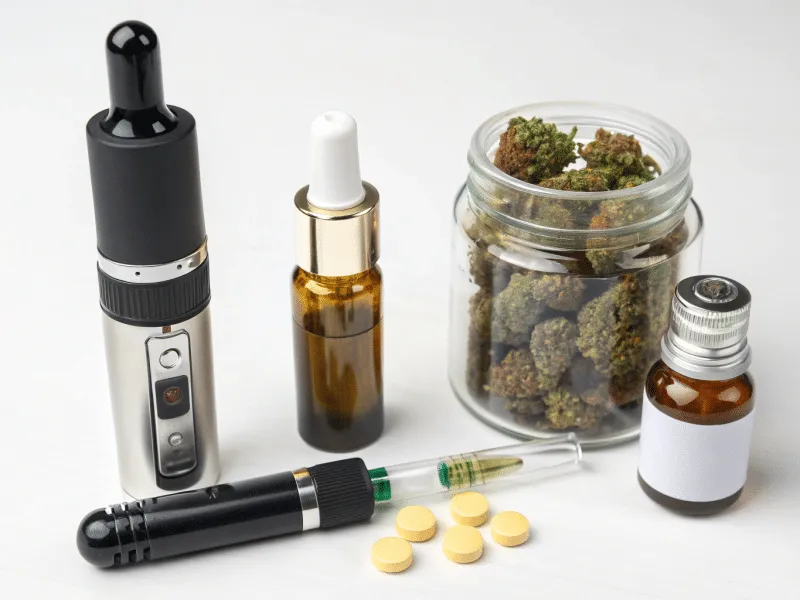
Arkansas’s medical marijuana program allows qualified patients to access various cannabis products, each offering different benefits:

  • Inhalation methods: Smoking or vaporizing cannabis provides rapid relief, with effects typically felt within minutes. This quick onset makes inhalation useful for addressing acute spasm episodes. Vaporizing is often preferred over smoking as it’s gentler on the respiratory system.
  • Oral products: Edibles, capsules, and tinctures offer longer-lasting effects, though they take 30 minutes to 2 hours to begin working. These products may be beneficial for maintaining baseline spasticity control throughout the day.
  • Topical applications: Creams, balms, and patches applied directly to affected muscles can provide localized relief without producing psychoactive effects, making them suitable for patients who need to remain fully alert.
  • Sublingual tinctures: Drops placed under the tongue offer a middle ground between inhalation and oral products, with effects beginning in 15-30 minutes and lasting several hours.

Working with a knowledgeable physician helps you identify which products and delivery methods best suit your specific symptoms, lifestyle, and treatment goals.

Methods of using medical marijuana for muscle spasms

Qualifying for Medical Marijuana in Arkansas

The Arkansas Department of Health recognizes conditions that include: cancer, glaucoma, positive status for HIV/AIDS, hepatitis C, ALS, Tourette syndrome, Crohn’s disease, ulcerative colitis, PTSD, severe arthritis, fibromyalgia, Alzheimer’s disease, and conditions causing cachexia or wasting syndrome, peripheral neuropathy, intractable pain, severe nausea, seizures, and severe and persistent muscle spasms.

Severe and persistent muscle spasms are explicitly listed as a qualifying condition, which means if you’re experiencing this symptom—whether from MS, spinal cord injury, or another underlying cause—you may be eligible for Arkansas’s medical marijuana program.

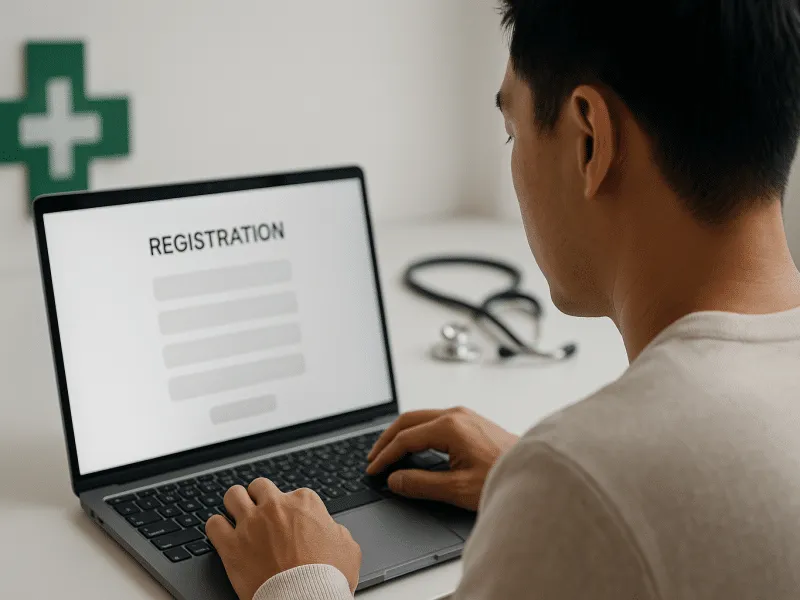
How to Register for an Arkansas Medical Marijuana Card

  • Register with TeleLeaf
  • Connect with a doctor online
  • Connect with one of our licensed doctors to receive your legal recommendation.
  • Register online with the Arkansas State Medical Marijuana System Medical Marijuana Program. Please note you will need your completed physician-written certification from the doctor to complete this step in the process.
  • Print a copy of your card. Patients who apply online can print a copy of their cards after their applications are reviewed and approved. 
  • A physical card will be mailed automatically to you once your application has been approved. Processing time is up to 14 days from the date we receive your application and payment.
  • Access medicine at any of the licensed state dispensaries using your card. A full list of Arkansas dispensaries can be found here.

Take the First Step Toward Relief

Don’t let severe and persistent muscle spasms continue controlling your life. Apply for an Arkansas medical marijuana card today at TeleLeaf.

TeleLeaf strives to connect patients with meaningful, compassionate care and straightforward access to natural alternative medicine as healthcare providers who are also patients, we’re well-versed in both sides of the medical cannabis experience. 

Now, we’re sharing our knowledge with you. Why? Because we’re patients ourselves.

Start your journey toward better symptom management today. Call (504) 264-3123.

relief from muscle spasm
How to Get Medical Marijuana Card in Arkansas

Getting a medical marijuana card in Arkansas is a straightforward process for eligible patients. You’ll need a certification from a licensed physician confirming your qualifying condition, then submit your application and fee to the Arkansas Department of Health to receive your card.

01
register-with-teleLeaf

Register with TeleLeaf

02
connect-with-doctor-online

Connect with a Doctor Online

03

Get Access to Medical Cannabis

Trusted By 30K+ Patients
Patient Testimonials

Average Rating 5/5 See Other Reviews