Apply for your Card Today!
Image
Featured In and Trusted By

DISCLAIMER: This content is provided for educational and informational purposes only and is not intended as medical advice, diagnosis, or treatment.

The information contained herein should not be used as a substitute for professional medical guidance. Consult with your physician before starting any new treatment, including medical marijuana.


Overview: Intractable Pain

Intractable pain is defined as pain with an unremovable source, for which the complete spectrum of standard pain management strategies has been attempted for a minimum of six months without sufficient outcomes.

This isn’t just pain that’s hard to treat; it’s pain that hasn’t responded to many different treatments. You may have tried opioids, NSAIDs, physical therapy, nerve blocks, or other treatments without getting any real, long-lasting relief.

This discomfort doesn’t go away, which can make it hard to sleep, work, keep relationships, and have a good quality of life.

Many patients who have chronic pain have it because their nerves are damaged (neuropathic pain), their tissues are damaged (nociceptive pain), or both. Surgical complications, injuries, degenerative problems, autoimmune diseases, or occasionally no known reason at all are all common underlying causes.

In Arkansas, chronic pain is a medical condition that qualifies for the state’s Medical Marijuana Program.

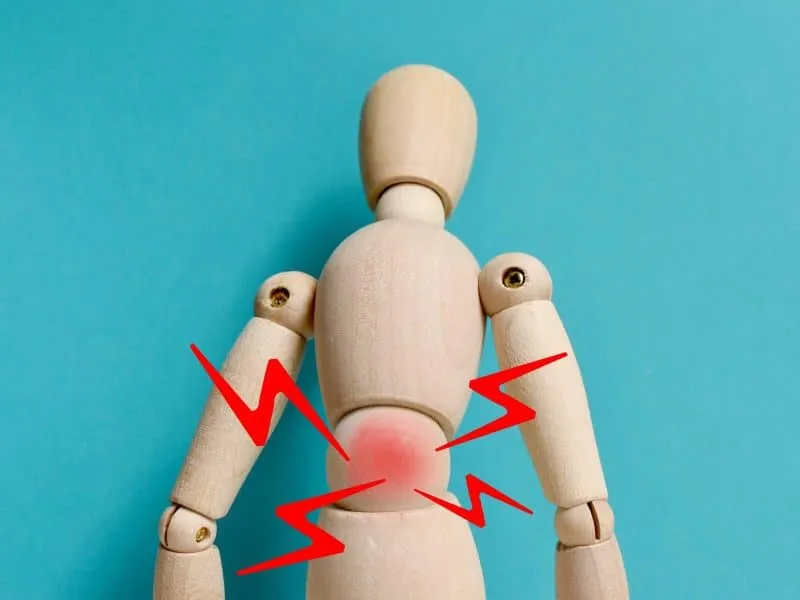
wood doll with back pain concept

The Cannabinoids in Medical Marijuana

Cannabinoids (CBD and THC) are active molecules in cannabis that affect your body’s endocannabinoid system, which is a complicated network that controls pain, inflammation, mood, and sleep.

THC

The main psychoactive component in medical marijuana is THC. It binds to CB1 receptors in the central nervous system, including pain-processing brain and spinal cord regions.

When THC stimulates CB1 receptors, a lot of things happen.

  • First, it reduces pain messaging by inhibiting neurotransmitter release.
  • Second, it affects how your brain interprets pain impulses that pass, changing pain intensity.
  • Third, it may assist in treating chronic pain’s emotional and psychological aspects, which often worsen physical pain.

CBD

CBD manages pain differently. CBD functions through non-cannabinoid receptors and is non-psychoactive.

CBD interacts with mood and pain controller serotonin receptors and thermal pain receptors TRPV1. Its anti-inflammatory benefits originate from modulating inflammatory cytokines, which cause inflammation and pain. CBD may reduce cellular inflammation and treat pain rather than just managing symptoms.

CBD may also help nerve tissue recover over time due to its neuroprotective properties. CBD’s modes of action may help intractable inflammatory pain patients, together or without THC.

Combining CBD and THC

Products that have both cannabinoids work better than either one on its own. This synergistic interaction, often known as the “entourage effect,” lets patients get the benefits of more than one treatment at the same time.

Some research says that CBD may also change some of the effects of THC, which could make products that contain both more bearable for some patients. The best amount of THC to CBD for each person is different, so it’s important to work with a medical marijuana doctor to establish the right mix for you.

leaf of cannabis and a drop of hemp

How to Register for an Arkansas Medical Marijuana Card

  • Register with TeleLeaf
  • Connect with a doctor online
  • Connect with one of our licensed doctors to receive your legal recommendation.
  • Register online with the Arkansas State Medical Marijuana System Medical Marijuana Program. Please note you will need your completed physician-written certification from the doctor to complete this step in the process.
  • Print a copy of your card. Patients who apply online can print a copy of their cards after their applications are reviewed and approved.
  • A physical card will be mailed automatically to you once your application has been approved. Processing time is up to 14 days from the date we receive your application and payment.
  • Access medicine at any of the licensed state dispensaries using your card. A full list of Arkansas dispensaries can be found here.

Choosing the Right Product for Your Needs

Flower (Inhaled)

You can smoke or vaporize medical marijuana flower, which is the dried plant material. It works the fastest, usually within minutes of being inhaled.

When flowers might be a good idea:

  • You need quick relief for breakthrough pain attacks.
  • You want to be able to simply change your dose (you can quit when you get the effects you want).
  • You want the impact to last for a shorter time, usually 2 to 4 hours.

Considerations:

  • Inhalation might not be safe for patients who have breathing problems.
  • Effects don’t last as long as they do with other types.
  • Arkansas law says that people can’t use it when there are pregnant women or kids under 14 around.
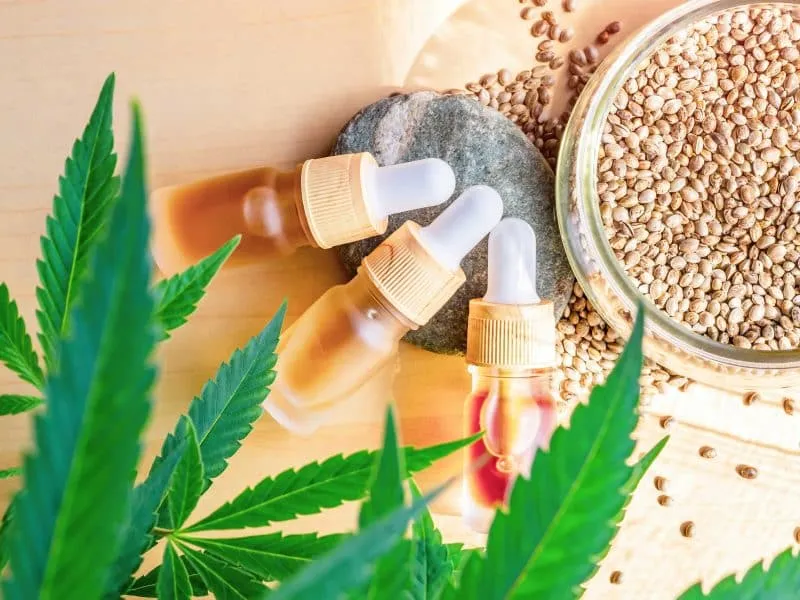
bottles with cannabis and oil

Tinctures

Tinctures are cannabis extracts in liquid form that can be consumed by mouth or under the tongue. Cannabinoids are absorbed through mucosal membranes when taken beneath the tongue, which makes them work faster than when they are swallowed.

When tinctures might be a good idea:

  • You desire relief that comes rather quickly (15 to 45 minutes under the tongue)
  • You need to be able to easily change the dose.
  • You’d rather not breathe it in.
  • You want the effects to last a moderate amount of time (4–6 hours).

Considerations:

  • To give the right dose every time, you need to be very precise when measuring.
  • Effects last longer than smoking, although they are more predictable than eating.
  • May taste like cannabis; however many products are flavored.

Capsules and Edibles

Cannabis-infused edibles and pills go through your digestive system, which makes the benefits take longer to start but last longer.

When it might be okay to eat or take capsules:

  • You need pain relief that lasts a long time.
  • You want dosing that is reliable and consistent.
  • You want to take them in private
  • Pain at night keeps you from sleeping.

Considerations:

  • The effects take longer to start (1–2 hours) but stay longer (6–8+ hours).
  • Be careful with the dosage because the effects can’t be immediately undone.
  • Delayed onset means you need to be patient; don’t take more until the effects are fully felt.
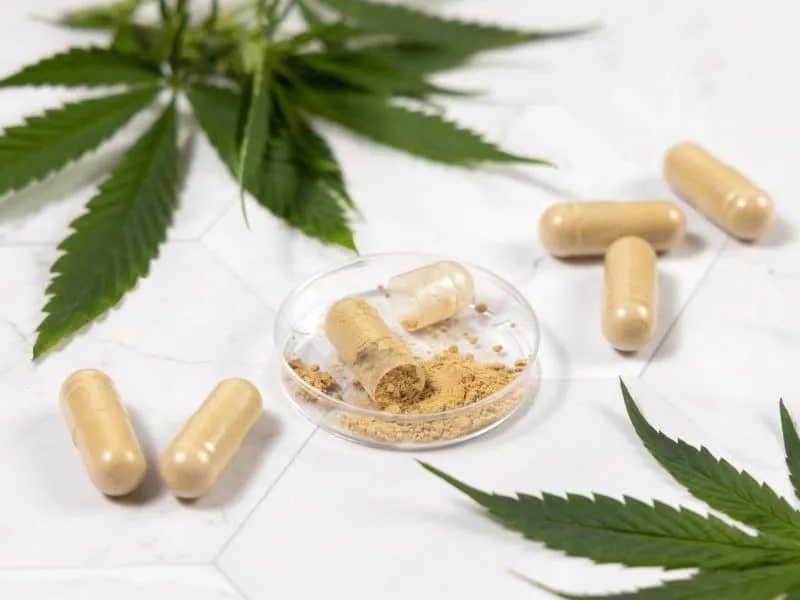
capsules together with cannabis leaf

Creams, Balms, and Lotions

You put cannabis-infused creams, balms, and lotions directly on painful parts of your skin. Topicals work where they are applied without getting into the bloodstream in large amounts.

When it might be okay to use topicals:

  • You feel discomfort in certain regions that are easy to reach.
  • You don’t want any impact on the whole body.
  • You want to start off slowly because this is your first time consuming cannabis.
  • You want to add tailored relief to other types of cannabis.

Considerations:

  • Effects are limited to the area of application.
  • When correctly made, topicals don’t have any psychedelic effects.
  • May function best when used with other types for full management

Legal Considerations and Responsible Use

Understanding Arkansas law and using medical marijuana responsibly protects both your legal standing and your safety.

Possession and Use Restrictions

Arkansas law permits registered patients to possess up to 2.5 ounces of medical marijuana purchased within a 14-day period.

It’s illegal to:

  • Use cannabis in public places
  • Operate vehicles while impaired
  • Use cannabis on federal property (including property used by the military and the National Guard)
  • Grow cannabis at home (all medical marijuana must be purchased from licensed dispensaries)
american flag

Employment and Medical Marijuana

While Arkansas law provides protections for registered medical marijuana patients, it’s important to understand that employers are generally not required to accommodate cannabis use.

Many employers maintain drug-free workplace policies that include testing for cannabis metabolites.

If you’re concerned about employment implications, consider:

  • Reviewing your employer’s drug policy
  • Understanding your company’s stance on medical marijuana
  • Discussing potential concerns with human resources if appropriate
  • Consulting with an employment attorney if needed

Traveling with Medical Marijuana

Your Arkansas medical marijuana card protects you only within Arkansas. Crossing state lines with cannabis remains illegal under federal law, even if you’re traveling to another state with medical marijuana laws. Plan accordingly and never transport cannabis across state borders.

Moving Forward with Informed Decision-Making

Medical marijuana is one way to deal with pain, but it’s not the only one. Cannabis-based therapies may help some patients with chronic pain who haven’t received enough relief from traditional treatments. They may help with pain control, sleep quality, and overall functioning.

If you want to get medicinal marijuana for chronic pain in Arkansas, the first thing you should do is make an appointment with a licensed medical cannabis doctor.

TeleLeaf helps Arkanasa patients connect to doctors for medical marijuana consultations. Sign up for a medical marijuana card or give us a call at (504) 264-3123 for any questions.

redhead girl lauging in the park
How to Get Medical Marijuana Card in Arkansas

Getting a medical marijuana card in Arkansas is a straightforward process for eligible patients. You’ll need a certification from a licensed physician confirming your qualifying condition, then submit your application and fee to the Arkansas Department of Health to receive your card.

01
register-with-teleLeaf

Register with TeleLeaf

02
connect-with-doctor-online

Connect with a Doctor Online

03
gain-access

Get Access to Medical Cannabis

Frequently Asked Questions

You need to see a doctor to determine if what your symptoms are indeed from intractable pain.

The time frame depends on the type of product and how each person reacts. Inhaled forms give the quickest feedback (within minutes), but edibles may require several weeks of regular use to adequately evaluate.

It’s acceptable that cannabis doesn’t work for everyone. Talk to your doctor about other possibilities if you’ve tried a number of items at the right doses for the right amount of time and haven’t seen any results.

Some people with pain respond better to certain cannabinoid ratios or delivery systems, while others may find that cannabis isn’t the best way to treat their pain. Your provider can assist you figure out what to do next.

Cannabis can interact with some medicines, and over time it may help you take less of other pain medicines. Talk to your doctors about all of your drugs and follow their advice should you need to modify your prescription meds.

Doctors suggest that you check in every one to three months at first, and then less often once you’ve found a steady, productive routine. But this still depends on your progress.

Trusted By 30K+ Patients
Patient Testimonials

Average Rating 5/5 See Other Reviews