Get Your Medical Marijuana Card Today - Fast & Easy!

Disclaimer: This article is for educational purposes only and should not be considered medical advice. Consult your doctor before making any changes to your treatment plan.
Glaucoma is one of the leading causes of irreversible blindness worldwide, and Arkansas patients are increasingly exploring medical marijuana as part of their treatment plan.
While conventional medications can ease symptoms, more patients turn to supplements to reduce their reliance on pharmaceuticals when possible.
TeleLeaf connects Arkansas patients with licensed medical marijuana doctors who understand glaucoma and cannabis-based care. Call (504) 264-3123 today to book your appointment and explore your options.

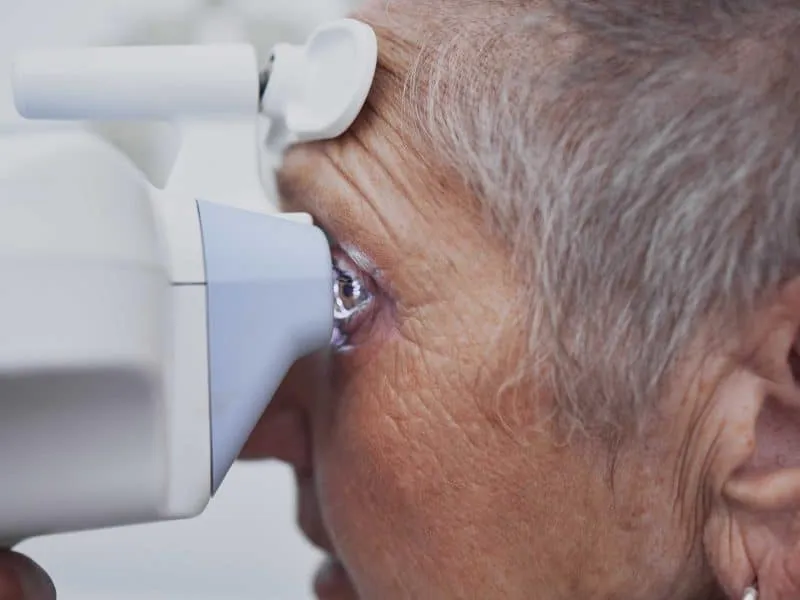
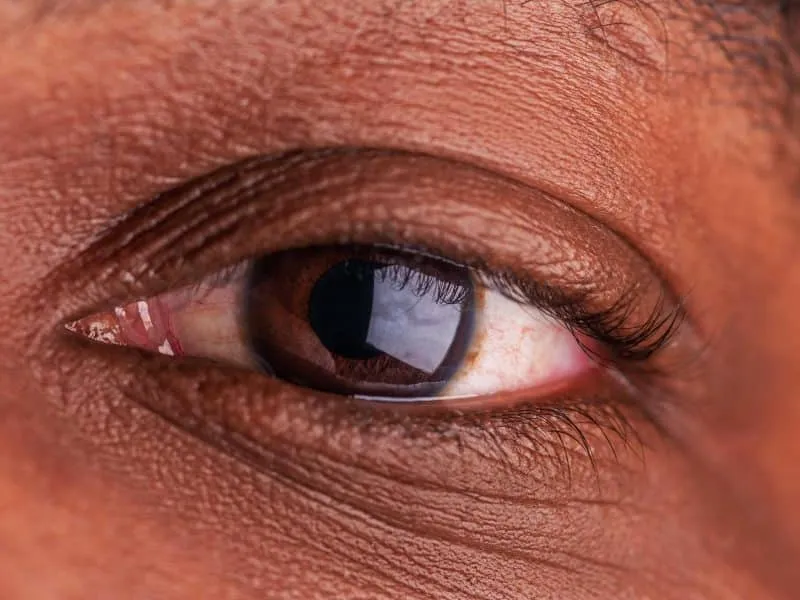
Glaucoma is a group of eye diseases that damage the optic nerve, often linked to elevated intraocular pressure (IOP). Over time, untreated glaucoma can lead to vision loss and blindness.
The two most common types are:
Glaucoma can progress silently, with few early symptoms.
As the condition advances, you may notice:
Risk factors include age, family history, high blood pressure, diabetes, and prolonged steroid use.

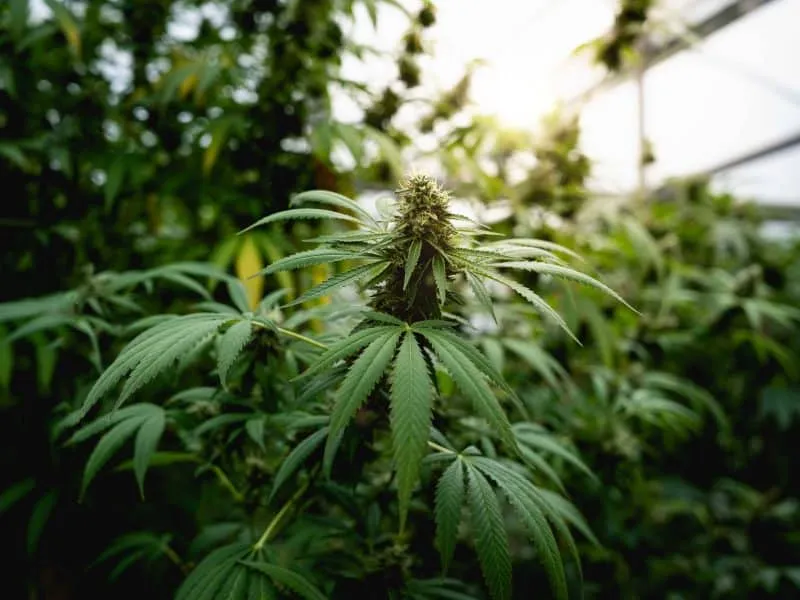
Cannabinoids in cannabis—especially THC—interact with the body’s endocannabinoid system (ECS), which regulates various functions, including IOP. Studies have shown that THC can temporarily lower IOP, which is beneficial for glaucoma patients.
Research from the National Eye Institute has documented IOP reduction lasting 3–4 hours after cannabis use. This short duration is why cannabis is often considered a supplemental therapy rather than a full replacement for traditional glaucoma medications.
Some key findings include:
But the short-lived effects mean multiple doses per day would be required to maintain IOP reduction, which may not be practical for all patients.

Glaucoma is listed as a qualifying condition for medical marijuana in Arkansas. Patients must have a formal diagnosis from a licensed physician. You can review the official list of qualifying conditions on the Arkansas Department of Health’s website.
Arkansas patients may possess up to 2.5 ounces of usable cannabis every 14 days. It is illegal to grow your own cannabis at home. Keep all products stored safely and out of reach of children.

THC is the primary cannabinoid of interest for lowering IOP. CBD does not appear to have the same effect and may even counteract THC’s pressure-lowering benefits in high doses, but it can help with inflammation and anxiety.
Patients often choose indica or indica-dominant hybrids for their relaxing effects and potential pain relief.
Popular strains:
Eye Drops: Research is ongoing; no FDA-approved cannabinoid eye drops are currently available.

Cannabis can interact with certain prescription medications, including blood thinners and sedatives. Talk to your doctor about all medications you’re taking.
Cannabis reduces IOP only temporarily, generally for 3–4 hours, so it may require frequent dosing. It should not replace prescribed glaucoma treatments without the guidance of an ophthalmologist.
Begin with the lowest effective dose and gradually adjust as needed. This approach minimizes side effects and helps you find the optimal balance for your symptoms.
Keep a journal of:
Regular follow-ups with a cannabis-trained physician ensure your treatment plan stays effective and safe. TeleLeaf doctors specialize in adjusting dosing and strain selection for glaucoma patients.

Patients who apply online can print a copy of their cards after their applications are reviewed and approved. A physical card will be mailed automatically to you once your application has been approved. Processing time is up to 14 days from the date we receive your application and payment.
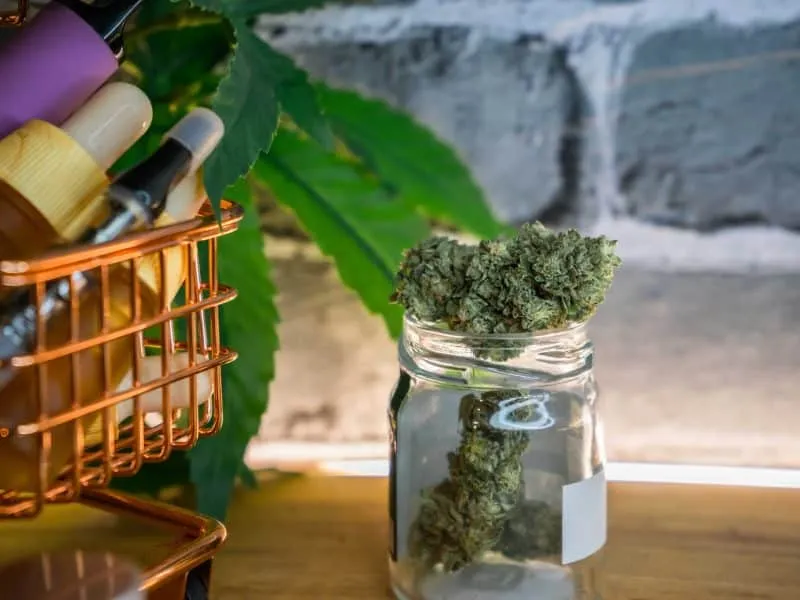
Access medicine at any of the licensed state dispensaries using your card. A full list of Arkansas dispensaries can be found here.

Some Arkansas dispensaries known for medical-grade products include:
When visiting a dispensaries, ask:
Are there products suitable for daytime vs. nighttime use?

Ongoing studies are exploring:
Compounds like CBG (cannabigerol) and THCV (tetrahydrocannabivarin) are being studied for their potential roles in protecting optic nerve health and regulating eye pressure.
Medical marijuana offers Arkansas glaucoma patients a complementary option for managing eye pressure and related symptoms. While it isn’t a cure, it can be an important part of a broader care plan when used under medical supervision.
If you’re ready to explore medical cannabis for glaucoma, call TeleLeaf at (504) 264-3123 or visit our Arkansas medical marijuana page to schedule your consultation with a licensed cannabis physician. Our team will help you navigate Arkansas’ program and develop a personalized treatment strategy.

Getting a medical marijuana card in Arkansas is a straightforward process for eligible patients. You’ll need a certification from a licensed physician confirming your qualifying condition, then submit your application and fee to the Arkansas Department of Health to receive your card.