Apply for your Card Today!
Image
Featured In and Trusted By

Disclaimer: This information is educational only and doesn’t provide medical advice. Use medical cannabis only where legal. Discuss any cannabis use with your gastroenterology team, especially if you have active inflammation or take multiple medications.


Living with Crohn’s disease means dealing with ongoing symptoms that can make daily life challenging. As Arkansas develops its medical marijuana program, many patients wonder if cannabis might help manage their symptoms alongside their current treatments.

Understanding Crohn’s Disease Symptoms and Cannabis

Crohn’s disease affects your digestive system in multiple ways. Understanding these symptoms helps you and your doctor decide if medical marijuana might be worth exploring.

Abdominal Pain and Cramping

Crohn’s disease often causes painful stomach cramping and ongoing abdominal discomfort. These episodes can range from mild to severe and may interfere with daily activities and sleep.

How cannabis might help: THC (the compound that creates marijuana’s “high” effect) may work with receptors in your digestive system to reduce cramping and pain signals.

What patients report: Less intense cramping and fewer painful episodes when using medical marijuana consistently.

Things to consider: Cannabis can change how your digestive system works in unpredictable ways.

Ongoing Pain Management

Crohn’s creates different types of pain. From inflammation in your intestines and general discomfort throughout your digestive system. This pain can be constant or come and go.

How cannabis might help: Both THC and CBD (a non-intoxicating cannabis compound) may help reduce pain and inflammation through different pathways in your body.

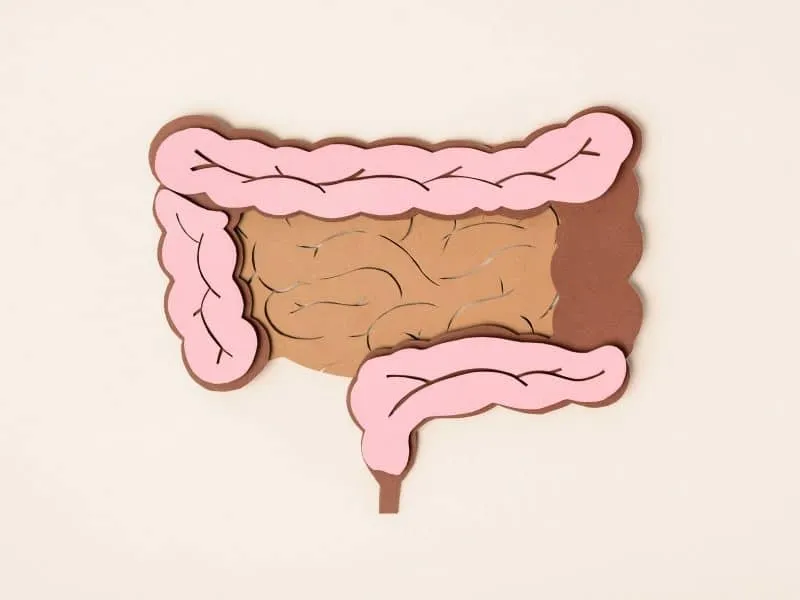
human intestine illustration

Nausea and Vomiting

Feeling sick to your stomach or throwing up happens frequently with Crohn’s disease, especially during flare-ups or after eating.

How cannabis might help: THC can work as an anti-nausea medication by affecting brain areas that control sickness feelings.

Poor Appetite and Weight Loss

Crohn’s disease often reduces your interest in food, making it hard to maintain a healthy weight and get proper nutrition.

How cannabis might help: THC can stimulate appetite by affecting brain areas that control hunger and food interest.

Stress and Anxiety

Managing a chronic disease creates ongoing stress and worry. Uncertainty about flare-ups and treatment effectiveness can affect your emotional well-being.

How cannabis might help: CBD may reduce anxiety, while THC might help improve mood through brain chemical changes.

Support for Caregivers

Family members helping with Crohn’s care experience physical and emotional strain during symptom flare-ups.

How cannabis might help: When patients feel better (less pain, better sleep, improved mood), caregiving becomes more manageable.

old woman holding her stomach

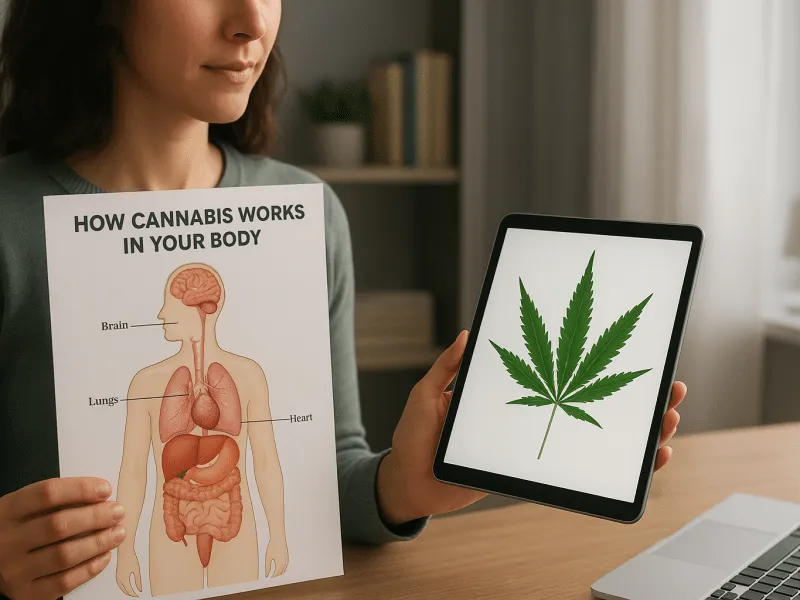
How Cannabis Works in Your Body

Your Body’s Cannabis System

Your body has a natural system called the endocannabinoid system that helps regulate pain, inflammation, appetite, and mood.

Cannabis compounds work with this system:

  • THC: Activates receptors in your brain and digestive system that may help with pain, inflammation, and muscle relaxation
  • CBD: Works with immune system receptors that may reduce inflammation and help your body’s natural healing processes

Current Research

Early studies indicate cannabis might help manage inflammatory bowel disease symptoms like those in Crohn’s disease. But researchers need more large-scale, long-term studies to fully understand the benefits and risks.

Drug Interactions

Cannabis can affect how your body processes other medications:

  • Immune-suppressing drugs: Cannabis might change how medications like azathioprine work
  • Pain medications: Combining cannabis with opioids might increase drowsiness
  • Blood thinners: CBD can affect how your body processes warfarin and similar medications

Talk to your doctor about all medications you’re taking before starting cannabis.

woman holding a chart of how cannabis works in your body

Different Ways to Use Medical Marijuana

Each method of using cannabis works differently in your body:

Inhaling (Vaporizing)

  • How fast it works: Within minutes
  • How long it lasts: 1-3 hours
  • Best for: Quick relief of sudden pain or nausea
  • Considerations: Not suitable for patients with breathing problems

Under-the-Tongue Products (Tinctures, Sprays)

  • How fast it works: 15-60 minutes
  • How long it lasts: 3-6 hours
  • Best for: Predictable timing; easier for caregivers to help with
  • Considerations: Taste might be unpleasant; effects depend on mouth moisture

Edibles and Capsules

  • How fast it works: 45-180 minutes
  • How long it lasts: 6-8 hours
  • Best for: All-night symptom relief; consistent daily management
  • Considerations: Very delayed effects; hard to adjust dose once taken; affected by digestive problems

Topical Creams

  • How fast it works: Usually quick for local areas
  • How long it lasts: Varies by product
  • Best for: Localized pain with minimal body-wide effects
woman holding different medical marijuana usage

Talking with Your Doctor

Prepare for productive conversations with your healthcare team by considering these questions:

About your symptoms:

  • “Which symptom affects my daily life most: stomach pain, nausea, poor appetite, or anxiety?”
  • “How do these symptoms interfere with taking my current medications?”

About safety:

  • “Could cannabis interact with my current Crohn’s medications?”
  • “How might cannabis affect my digestive problems like diarrhea or constipation?”

About practical use:

  • “Which method of using cannabis would be safest for my situation?”
  • “How should we monitor whether cannabis is helping or causing problems?”

About coordination:

  • “How should I time cannabis use with my regular medications and meals?”
General Practitioner Appointment. Portrait of focused black female doctor listening to talking patient, discussing diagnosis and treatment, writing. Specialist giving consultation to elderly man

How to Register for an Arkansas Medical Marijuana Card

  • Register with TeleLeaf
  • Connect with a doctor online
  • Connect with one of our licensed doctors to receive your legal recommendation.
  • Register online with the Arkansas State Medical Marijuana System Medical Marijuana Program. Please note you will need your completed physician-written certification from the doctor to complete this step in the process.
  • Print a copy of your card
  • Patients who apply online can print a copy of their cards after their applications are reviewed and approved.
  • A physical card will be mailed automatically to you once your application has been approved. Processing time is up to 14 days from the date we receive your application and payment.
  • Access medicine at any of the licensed state dispensaries using your card. A full list of Arkansas dispensaries can be found here.
How to Register for an Arkansas Medical Marijuana Card

Frequently Asked Questions

Does cannabis cure Crohn’s disease?

No, cannabis does not cure Crohn’s disease. It may help manage some symptoms like pain, nausea, and poor appetite.

What are the best cannabis forms for Crohn’s disease?

Under-the-tongue products and edibles often work well for longer symptom relief. Inhaled cannabis can provide quick relief for sudden symptoms, but the effects don’t last as long.

Can cannabis interfere with my Crohn’s medications?

Yes, cannabis may interact with immunosuppressing drugs, pain medications, and other treatments. Always discuss this with your healthcare provider.

How do I know if cannabis is helping?

Keep track of your symptoms (pain, appetite, sleep) and discuss any changes with your doctor after 2-4 weeks of consistent use.

Is cannabis safe with other health problems?

Cannabis effects vary based on your complete medical history. Discuss all health conditions with your provider, especially breathing problems, immune issues, or digestive concerns.

Is medical marijuana legal for Crohn’s disease in Arkansas?

Yes, Crohn’s disease qualifies for the Arkansas Medical Marijuana Program. You need to be a registered patient following state rules.

Can my caregiver talk to my doctor about cannabis?

Yes, with your permission or proper legal documents, caregivers can participate in treatment discussions.


Next Steps: Getting Started in Arkansas

If you’re considering medical cannabis for Crohn’s disease, start with a consultation with a medical marijuana doctor through TeleLeaf.

Call us at (504) 264-3123 for any questions.

a doctor handing a medical marijuana card
How to Get Medical Marijuana Card in Arkansas

Getting a medical marijuana card in Arkansas is a straightforward process for eligible patients. You’ll need a certification from a licensed physician confirming your qualifying condition, then submit your application and fee to the Arkansas Department of Health to receive your card.

01
register-with-teleLeaf

Register with TeleLeaf

02
connect-with-doctor-online

Connect with a Doctor Online

03
gain-access

Get Access to Medical Cannabis

Trusted By 30K+ Patients
Patient Testimonials

Average Rating 5/5 See Other Reviews