Apply for your Card Today!
Image
Featured In and Trusted By

Disclaimer: This page is for educational purposes only and does not constitute medical advice. Medical marijuana should be used under the guidance of qualified healthcare providers. Individual responses to cannabis vary significantly. Always consult with your oncologist and cannabis physician before incorporating medical marijuana into your cancer treatment plan. Laws and regulations are subject to change.


Cancer patients in Arkansas have legal access to medical marijuana as a complementary treatment option for managing symptoms and treatment effects.

With over 109,000 active medical marijuana cards in Arkansas as of 2025, cannabis has become an important tool for patients seeking alternatives to traditional pharmaceuticals for symptom relief.

Research demonstrates that medical marijuana can help ease cancer-related challenges, such as chemotherapy-induced nausea, chronic pain, appetite loss, and sleep disturbances.

The 2016 Arkansas Medical Marijuana Amendment established cancer as a qualifying condition, providing patients with legal access to dispensaries products throughout the state.

Sign up for an Arkansas medical marijuana card at TeleLeaf.

woman with white cloth on head talking to a kid

Arkansas Medical Marijuana Laws for Cancer Patients

Arkansas has established a comprehensive medical marijuana program that provides cancer patients with legal access to cannabis products.

The Arkansas Medical Marijuana Amendment of 2016 created the legal framework that allows qualified patients to purchase and possess medical cannabis.

Legal Framework and Patient Rights

The Arkansas Department of Health oversees the medical marijuana program, ensuring patients have safe access to tested products from licensed dispensaries.

These protections include:

  • Protection from arrest and prosecution for marijuana possession
  • Legal possession of up to 2.5 ounces per 14-day period
  • Ability to designate caregivers for assistance with purchases
  • Protection of concealed carry rights (established in 2023)
  • Privacy protections for medical information

Current Program Statistics

As of July 2025, Arkansas has 109,470 active medical marijuana cardholders. The state licenses up to 40 dispensaries and 8 cultivation facilities.

Important Legal Restrictions

While Arkansas provides broad access to medical marijuana, certain restrictions apply to all patients, including cancer patients:

  • Home cultivation remains prohibited
  • Use is forbidden in the presence of children under 14 or pregnant women
  • Federal property restrictions apply
  • Edible products limited to 10mg THC per serving
  • Transportation across state lines remains illegal
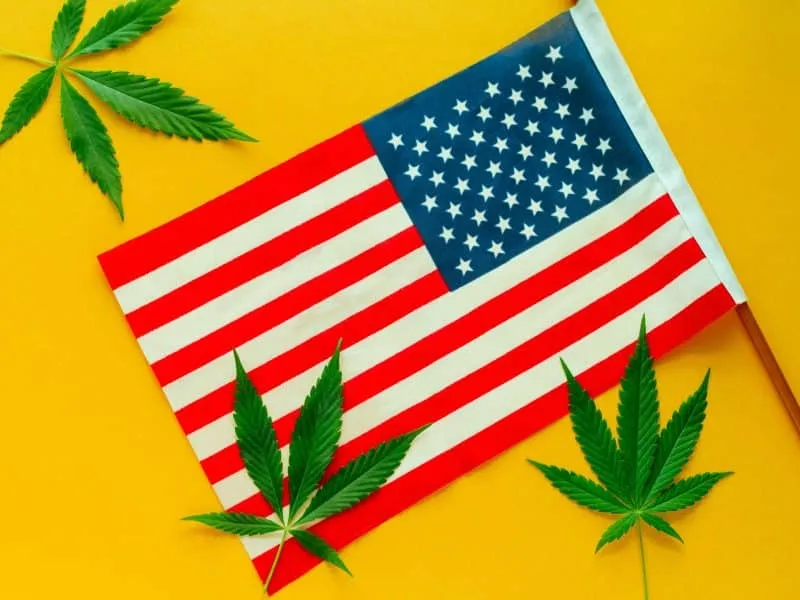
cannabis leaf with american flag

How to Register for an Arkansas Medical Marijuana Card

  1. Register with TeleLeaf

  2. Connect with a Doctor Online

  3. Print a Copy of Your Card

    Patients who apply online can print a copy of their cards after their applications are reviewed and approved. A physical card will be mailed automatically to you once your application has been approved. Processing time is up to 14 days from the date we receive your application and payment.

  4. Get Access to Medicine

    Access medicine at any of the licensed state dispensaries using your card. A full list of Arkansas dispensaries can be found here.

doctor-talking-online-to-patient

Evidence-Based Benefits for Cancer Symptoms

Research continues to demonstrate cannabis’s therapeutic potential for oncology patients.

Chemotherapy-Induced Nausea and Vomiting

Nausea and vomiting remain among the biggest challenges cancer patients face.

A 2024 clinical trial published in the Journal of Clinical Oncology found that adding oral cannabis extract to standard anti-nausea medications significantly improved symptom control compared to standard treatment alone.

The FDA has approved synthetic cannabinoids dronabinol (Marinol) and nabilone (Cesamet) for chemotherapy-induced nausea.

Cancer-Related Pain Management

Medical marijuana offers an alternative or complement to traditional pain medications for neuropathic pain.

Studies published in the European Journal of Pain demonstrate that cancer patients using medical marijuana reduced their opioid consumption by 40-60% while maintaining effective pain control.

Cannabis works through the endocannabinoid system to modulate pain signals, reducing inflammation.

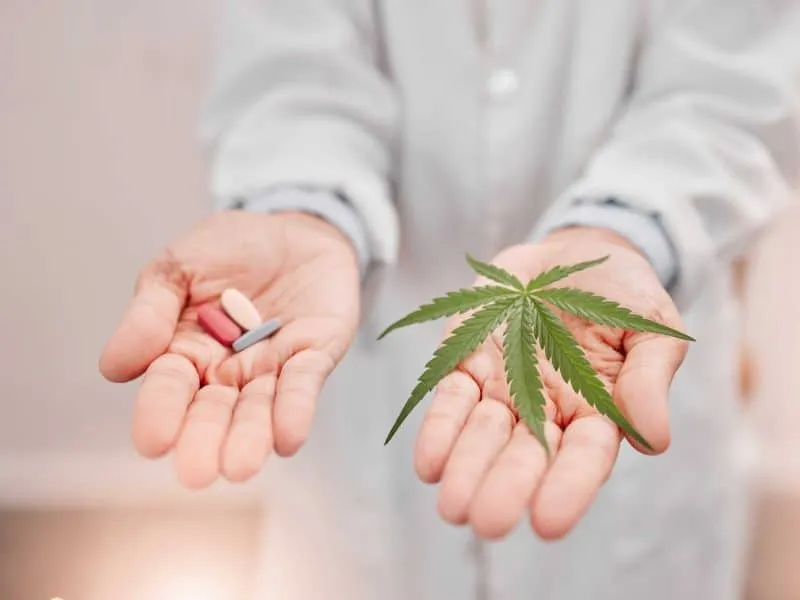
professional holdin cannabis weed and pills

Peripheral Neuropathy from Chemotherapy

Chemotherapy-induced peripheral neuropathy affects up to 85% of patients receiving cancer treatments.

Research from the Journal of Pain and Symptom Management shows that medical marijuana provides more relief for neuropathic pain than traditional medications. Both systemic cannabis use and topical applications show promise for managing neuropathy symptoms.

Appetite Loss and Weight Management

Clinical studies demonstrate that cancer patients using products with THC experience improved appetite and taste perception. Research published in Supportive Care in Cancer found that patients using medical marijuana maintained better nutritional status during treatment.

Sleep Disturbances and Anxiety

CBD with indica-dominant strains can improve sleep quality and reduce anxiety.

A study in Sleep Medicine Reviews found that cancer patients using cannabis reported improved sleep duration and quality compared to those using conventional sleep aids. CBD’s anxiolytic properties provide additional benefits for patients experiencing cancer-related anxiety.

Young Girl In Pajamas Sweetly Sleeping In Bed During A Daytime Nap

Product Types and Consumption Methods

Flower and Vaporized Products

  • Flowers provide faster relief than edibles.
  • Vaporized cannabis provides effects within 5-15 minutes and lasts for 2-4 hours.

Edibles and Capsules

  • Edibles offer precise dosing and long-lasting effects. Arkansas limits edible products to 10 mg THC per serving, promoting safe consumption practices.
  • Edibles last for 4-8 hours but need around 30-70 minutes to settle in your system.

Tinctures and Oils

  • Tinctures are more flexible and absorb faster than other products. Effects set in around 15-45 minutes for sublinguals and 30-90 minutes for tablets.
  • The precise dosing capabilities of tinctures make them excellent for patients who need to fine-tune their medication regimen. Many cancer patients prefer starting with tinctures due to their controllability.

Topical Applications

  • Topical cannabis products (creams, lotions, balms, and patches) provide localized relief for pain and inflammation.
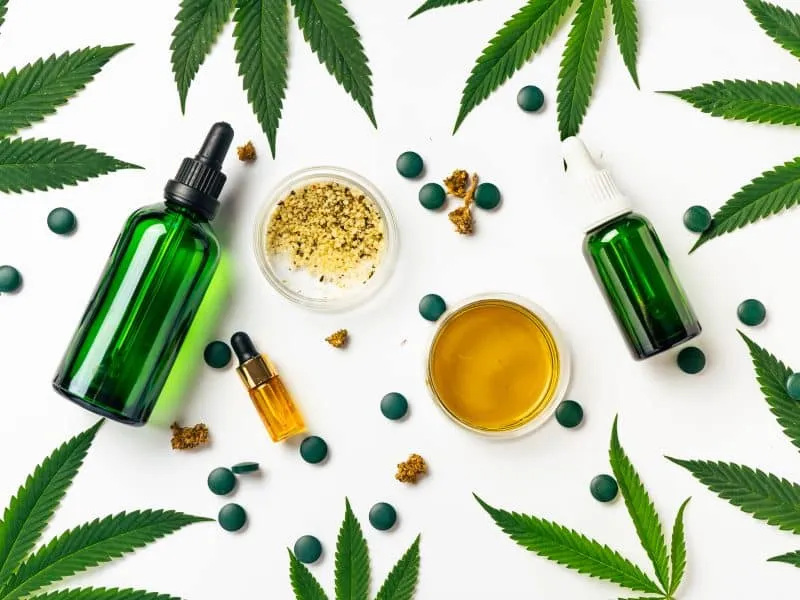
Science, Safety, Research, Technology with Cannabis. Legal, Medical and Recreational Use of Marijuana. Natural cosmetics or superfood, omega fats

Working with Your Healthcare Team

Open communication ensures safe integration with conventional cancer treatments.

Communicating with Your Oncologist

Preparing for discussions with your oncologist helps ensure productive conversations about medical marijuana.

Many oncologists now recognize medical marijuana’s potential benefits for cancer patients. The American Society of Clinical Oncology acknowledges that cannabis can help with chemotherapy-induced nausea.

Finding Cannabis-Experienced Healthcare Providers

Not all physicians have extensive cannabis knowledge. Seeking providers with specific cannabis training ensures optimal guidance for your treatment.

Cannabis-experienced providers include pain management specialists, integrative medicine physicians, and palliative care doctors. These specialists often have advanced training in cannabis therapeutics and drug interactions.

Building Your Comprehensive Care Team

Effective medical marijuana therapy involves multiple healthcare professionals working together:

  • Primary Oncologist: Oversees cancer treatment and monitors drug interactions
  • Cannabis Physician: Provides specific guidance on products, dosing, and strain selection
  • Pharmacist: Monitors potential drug interactions and medication timing
  • dispensaries Staff: Offers product education and selection guidance
Portrait of asian woman doctor wear protection face mask showing a patient some information on digital tablet clip board, patient listen to specialist doctor in clinic office. Global alert, epidemic flu or Coronavirus. Medical staff preventive.

Arkansas dispensaries Guide

Arkansas maintains a network of licensed dispensaries serving medical marijuana patients throughout the state. Understanding the dispensaries experience helps patients navigate their first visits successfully.

What to Expect During Your First Visit

Arkansas dispensaries prioritize patient education and safety. First-time visitors typically receive comprehensive consultations covering product selection, dosing, and consumption methods.

Required documentation includes your valid Arkansas medical marijuana card and state-issued identification. Many dispensaries recommend calling ahead to schedule consultations, especially for first-time patients.

Product Selection Process

Licensed Arkansas dispensaries carry lab-tested products meeting state quality standards. All products display cannabinoid content, terpene profiles, and testing information to help patients make informed decisions.

dispensaries staff, often called patient consultants, receive training on cannabis therapeutics and can provide valuable guidance on product selection. They can recommend specific products based on your symptoms and treatment goals.

Building Relationships with dispensaries Staff

Developing ongoing relationships with dispensaries staff improves your treatment outcomes over time. Regular check-ins allow staff to track what products work best for your specific needs.

Many dispensaries maintain patient notes documenting product preferences and effectiveness. This information proves valuable for refining your treatment regimen and trying new products.

medical doctor holing patient's hands and comforting her.Kind doctor giving real support for patient.

Financial Considerations

Medical marijuana costs vary significantly based on product types, dosing requirements, and consumption frequency. Understanding these costs helps patients budget effectively for their treatment.

Typical Product Costs in Arkansas

Flower products typically range from $30-60 per eighth ounce, while edibles cost $15-40 per package. Concentrates and tinctures generally fall between $40-80 per gram or bottle.

Monthly costs vary widely based on individual needs. Patients using small daily doses might spend $100-200 monthly, while those requiring larger amounts for severe symptoms may spend $300-500 monthly.

Cost-Saving Strategies

Many Arkansas dispensaries offer patient discounts ranging from 10-20% off regular prices. Veterans, seniors, and low-income patients often qualify for additional savings programs.

Purchasing maximum allowed amounts can provide bulk savings, though patients should ensure product freshness. Some dispensaries offer loyalty programs rewarding frequent customers with discounts and special offers.

Comparing Costs to Pharmaceuticals

While medical marijuana isn’t covered by insurance, many patients find cost savings through reduced pharmaceutical use. Cancer patients often decrease spending on anti-nausea medications, pain relievers, and sleep aids.

The American Cancer Society reports that cancer patients using medical marijuana often require fewer emergency room visits for symptom management, potentially providing additional cost savings (American Cancer Society, 2024).

putting money in a jar

Get Expert Guidance for Your Cannabis Journey

Medical marijuana offers cancer patients in Arkansas a legal, effective option for managing symptoms and improving quality of life. With proper guidance from experienced cannabis physicians, patients can develop personalized treatment regimens that complement their conventional cancer care.

The key to successful medical marijuana therapy lies in working with knowledgeable healthcare providers who understand both cancer treatment and cannabis medicine. Professional guidance ensures safe, effective use while maximizing therapeutic benefits and minimizing potential complications.

Whether you’re dealing with chemotherapy-induced nausea, chronic pain, appetite loss, or sleep disturbances, medical marijuana may provide the relief you’ve been seeking. Arkansas’s comprehensive medical marijuana program offers cancer patients legal access to high-quality, lab-tested products from licensed dispensaries throughout the state.

Portrait image of a young woman working on laptop computer at home
How to Get Medical Marijuana Card in Arkansas

Getting a medical marijuana card in Arkansas is a straightforward process for eligible patients. You’ll need a certification from a licensed physician confirming your qualifying condition, then submit your application and fee to the Arkansas Department of Health to receive your card.

01
register-with-teleLeaf

Register with TeleLeaf

02
connect-with-doctor-online

Connect with a Doctor Online

03
gain-access

Get Access to Medical Cannabis

Trusted By 30K+ Patients
Patient Testimonials

Average Rating 5/5 See Other Reviews